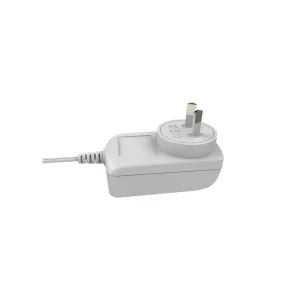
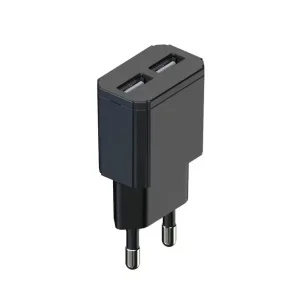
Engineered to comply with stringent Japanese medical safety standards, featuring optimized leakage current control and standard JIS plugs.
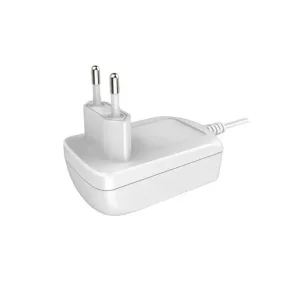
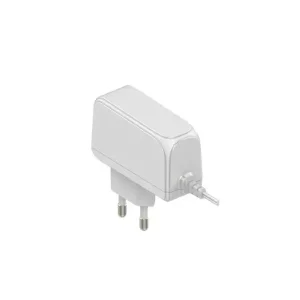
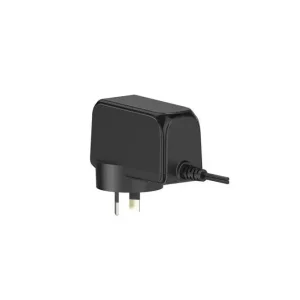
The Japanese healthcare market is globally recognized for its stringent quality controls and advanced therapeutic technologies. As Japan continues to navigate a super-aged demographic profile, the demand for both clinical hospital equipment and portable, home-use medical devices has accelerated. This shift places a tremendous premium on power supply units (PSUs) that can bridge the gap between high-level hospital standards and the safety constraints of household electrical grids.
Medical devices marketed in Japan must achieve approval under the PMD Act (Pharmaceutical and Medical Devices Act) managed by the PMDA (Pharmaceutical and Medical Devices Agency). Integral to this approval process is the power supply's adherence to the JIS T 0601-1 standard (harmonized with the international IEC 60601-1 standard). Crucially, the Denan Law (PSE Mark) governs electrical appliances imported into Japan. For external AC adapters used in medical systems, obtaining the "Specified Electrical Appliances" (Category A) Diamond PSE certification is non-negotiable. This certification involves rigorous third-party testing for insulation properties, heat resistance, Tracking Resistance (PTI), and electromagnetic compatibility (EMC).
In Japanese clinics and hospitals, electrical systems are highly regulated, but home care environments present challenges like ungrounded electrical systems, unstable input voltages (nominally 100V, but fluctuating from 90V to 110V), and lack of professional oversight. Consequently, medical AC adapters must exhibit exceptionally low leakage currents (typically under 100µA for Patient Care applications) to prevent microshocks, while offering wide input voltage ranges (90 - 264 VAC) to withstand fluctuations in both Eastern Japan (50Hz) and Western Japan (60Hz) power grids.
For global medical device OEMs sourcing medical AC adapters, several key bottlenecks routinely threaten product launches and manufacturing continuity:
The engineering landscape of medical switching power adapters is moving rapidly toward miniaturization, thermal efficiency, and smart power negotiation. Key trends shaping our development roadmap include:
By replacing traditional silicon-based MOSFETs with Gallium Nitride (GaN) transistors, we are reducing the physical footprint of external adapters by up to 40% while achieving conversion efficiencies above 92%. In medical environments, reduced size means greater portability for mobile diagnostic tools, and higher efficiency translates into cooler operational temperatures, extending the Mean Time Between Failures (MTBF) of both the adapter and the connected medical console.
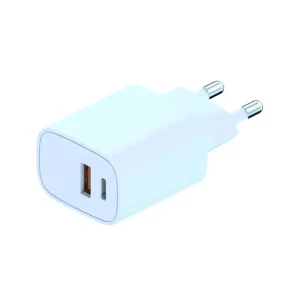
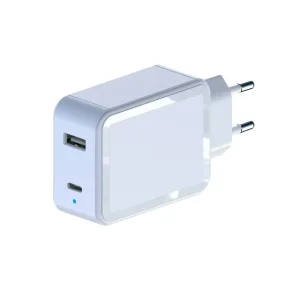
Historically, medical devices relied on proprietary DC barrel connectors. The industry is rapidly adopting standard USB-C PD protocols certified to medical safety standards. Our product line supports output configurations like 18W and 20W PD, allowing medical staff to charge devices using standardized smart adapters that automatically negotiate voltages (5V, 9V, 12V, 15V, 20V) while preserving galvanic isolation up to medical-grade thresholds.
Medical adapters must operate without cooling fans to prevent dust accumulation and the spread of pathogens in sterile fields. Convection cooling relies on thermal design using high-conductivity potting compounds. Furthermore, electromagnetic interference (EMI) is mitigated through multi-stage input filtering, ensuring compliance with IEC 60601-1-2 4th Edition (Collate Standard for EMC), preventing interference with nearby life-support systems.
A premier global manufacturing partner specializing in medical and industrial power conversion since 2010.
Established in August 2010, Shenzhen FuYun (RUIYU) Technology Co., Ltd. is a comprehensive enterprise integrating R&D, advanced manufacturing, international sales, and dedicated after-sales support for high-end power adapters, fast chargers, and high-pressure core parts for specialized beauty and medical instruments.
Our state-of-the-art facility is located at No.129 of the first industrial zone, Lisonglang Community, Gongming Town, Guangming New District, Shenzhen, Guangdong, China. With a deep commitment to global market integration, our USA and EU market share has reached 60%, alongside a rapid, strategic expansion into the highly demanding markets of Japan and South Korea.
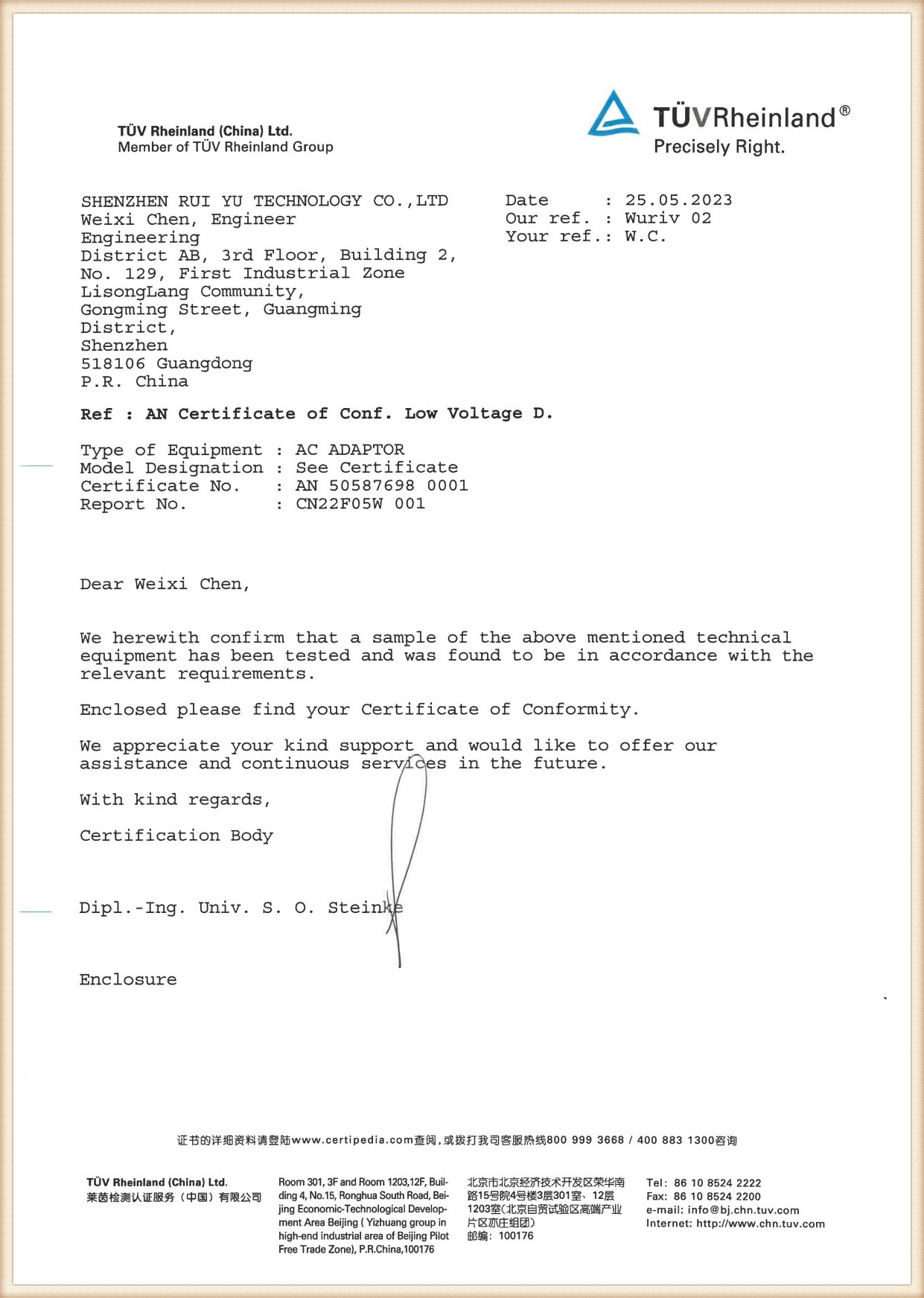
Adhering to our core principle of "Cooperative innovation, pragmatic execution, and mutual achievement," we attained key national and international medical and electrical safety certifications in 2012. Our robust internal quality management systems continue to secure an exemplary reputation across the global power electronics industry.

RUIYU Technology utilizes modern automated production assembly lines, high-throughput automatic testing equipment (ATE), and climate-controlled reliability labs. Our standard lead time is 15 to 20 days from order confirmation. To guarantee that every single unit complies with strict medical guidelines, we deploy a team of 30 dedicated QA/QC specialists who inspect and test the adapters at every production checkpoint.
We operate under the ISO 9001 framework, enforcing standard operating procedures (SOPs) that mandate a 100% full-load burn-in test for every device prior to packaging. We maintain comprehensive manufacturing records for several years to ensure full component-level traceability for every batch dispatched globally.
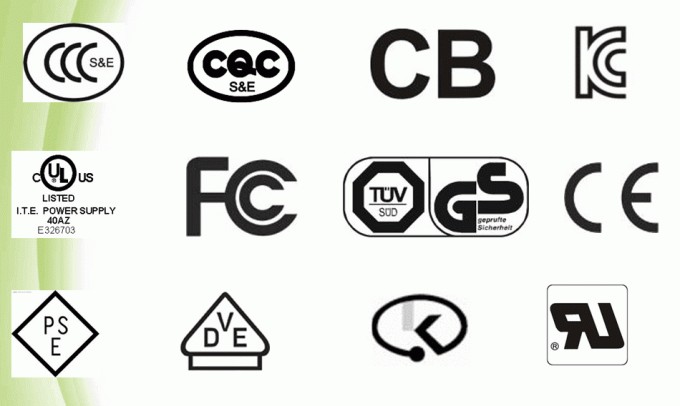
We focus on long-term partnerships with healthcare and industrial OEMs by delivering high-reliability power solutions and rapid-response localized support. Our commitment includes:
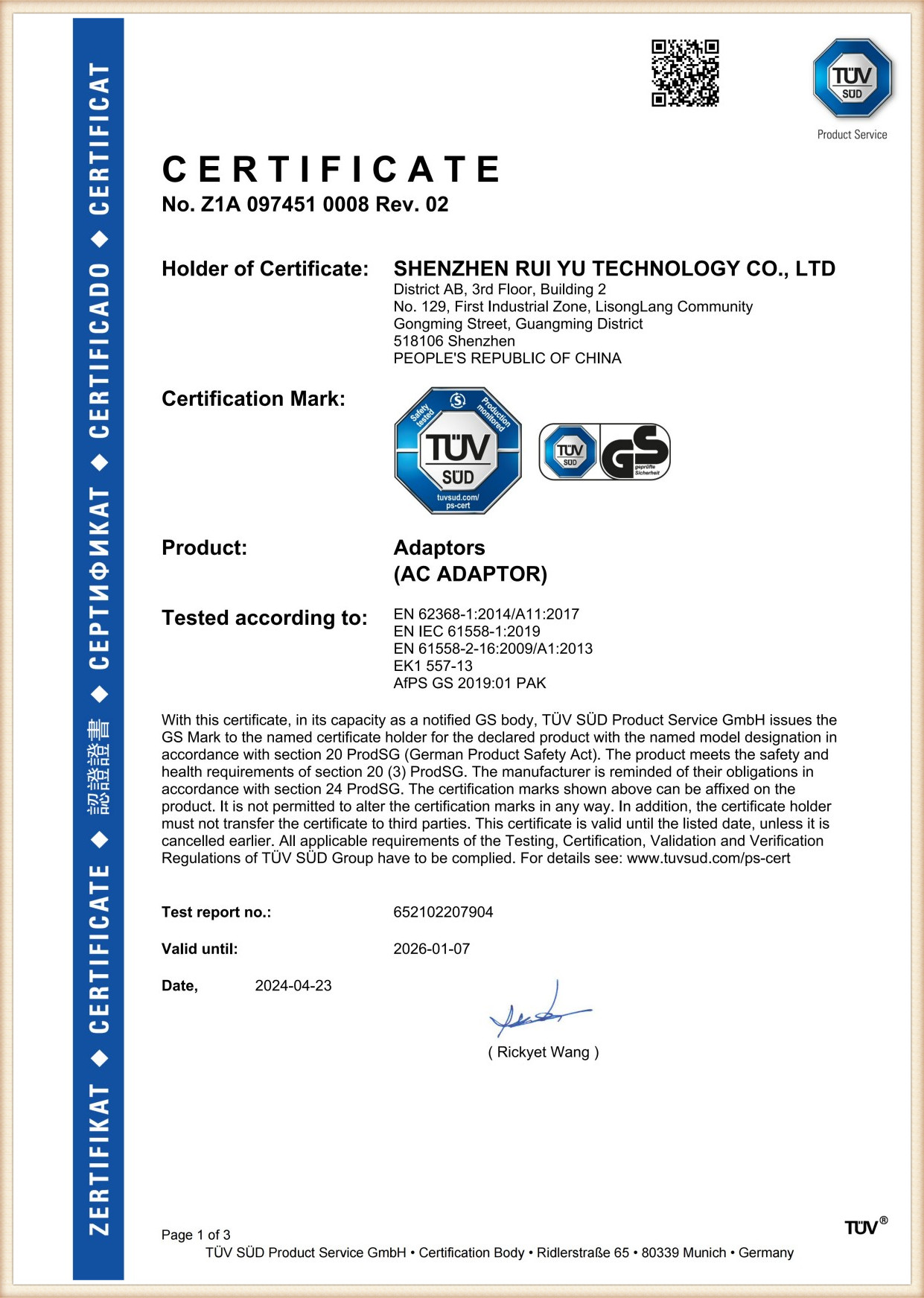
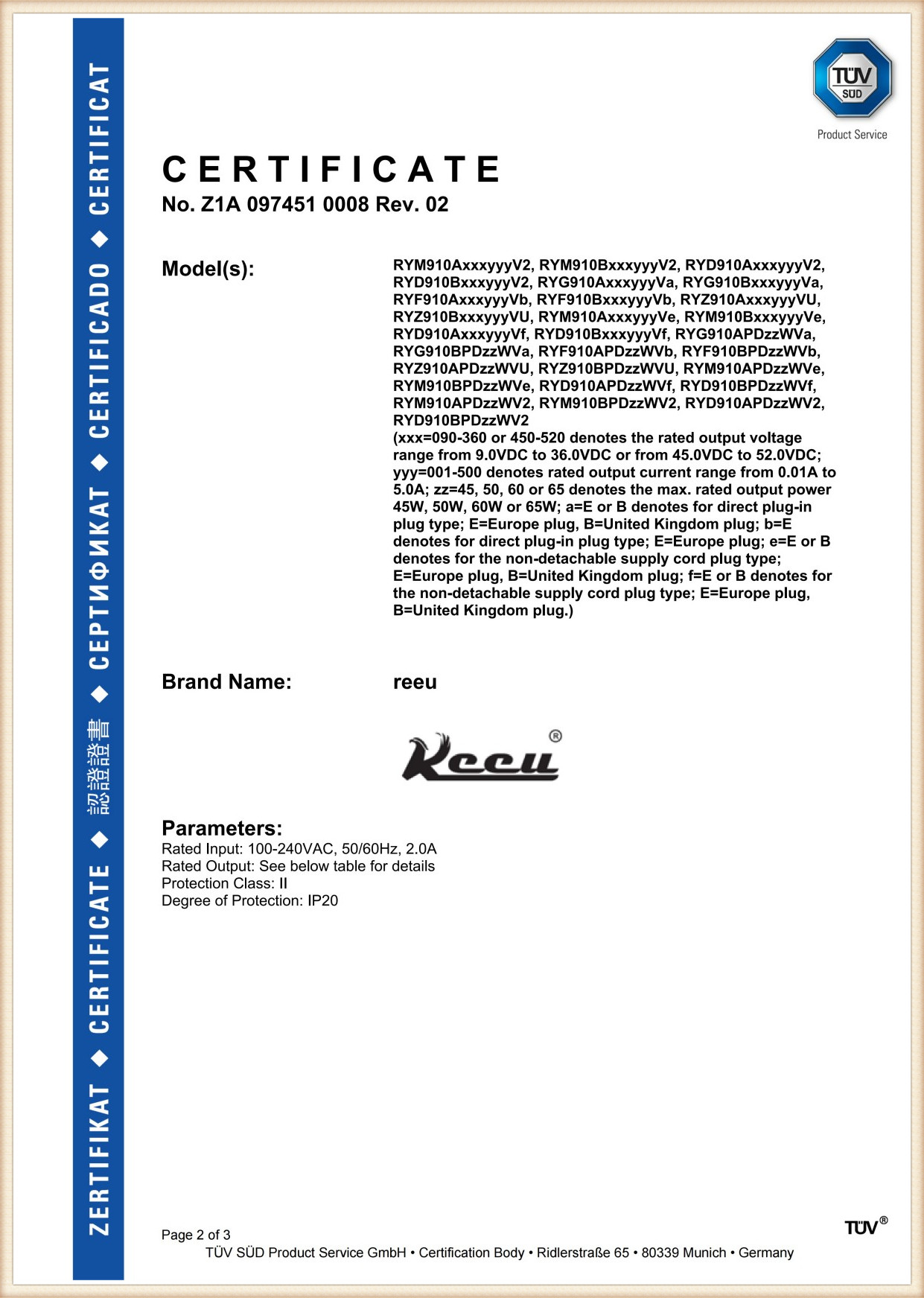
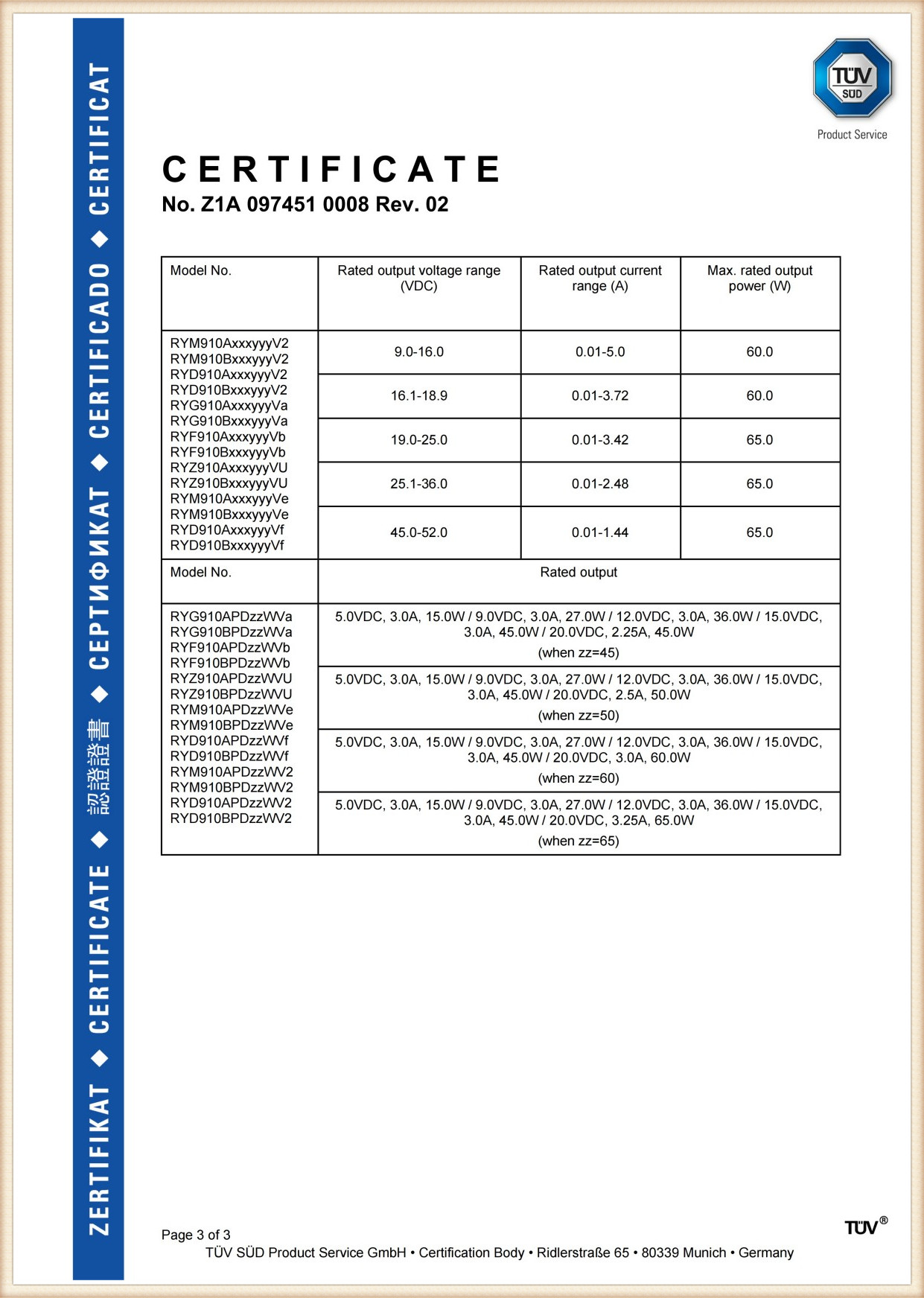
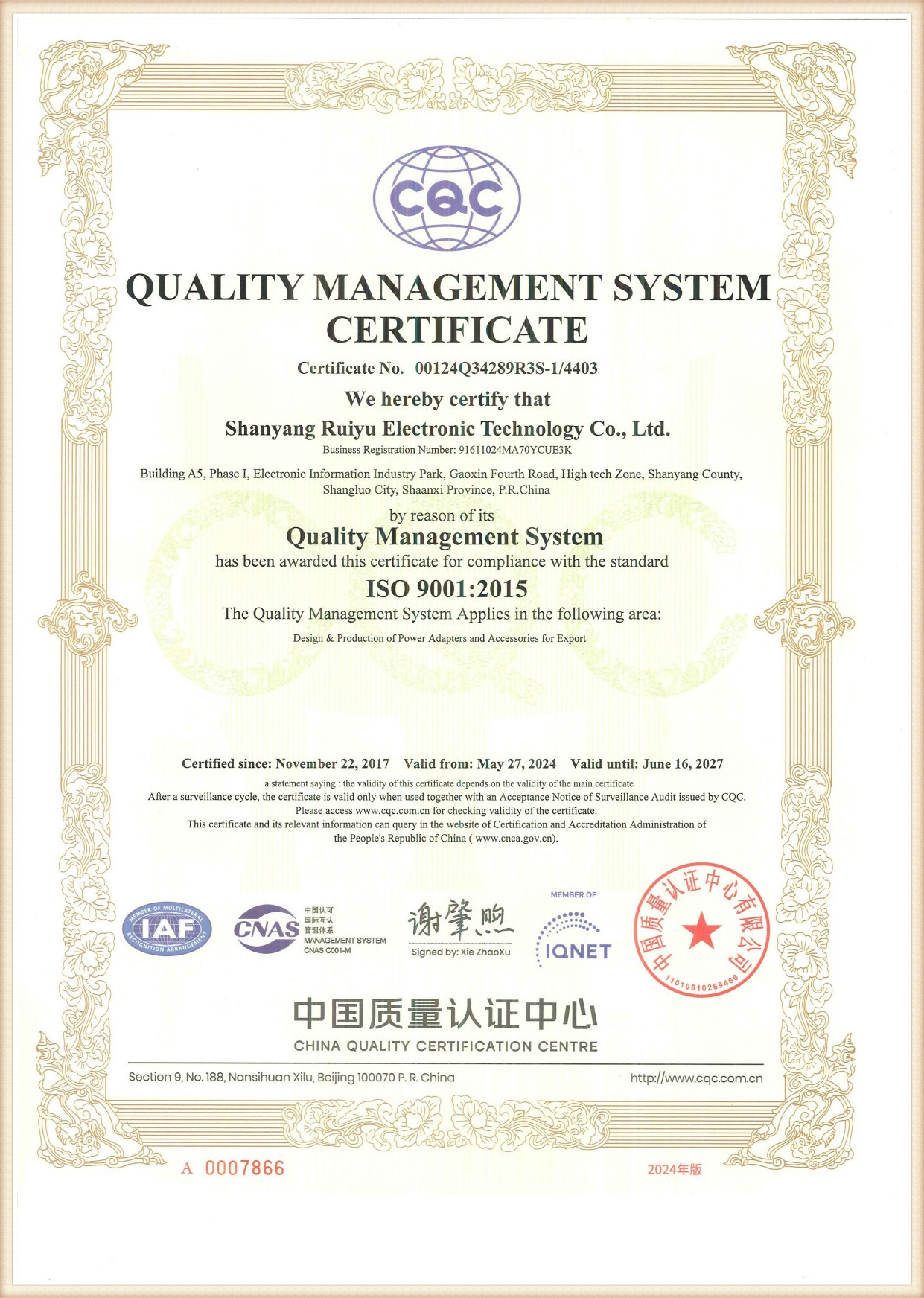
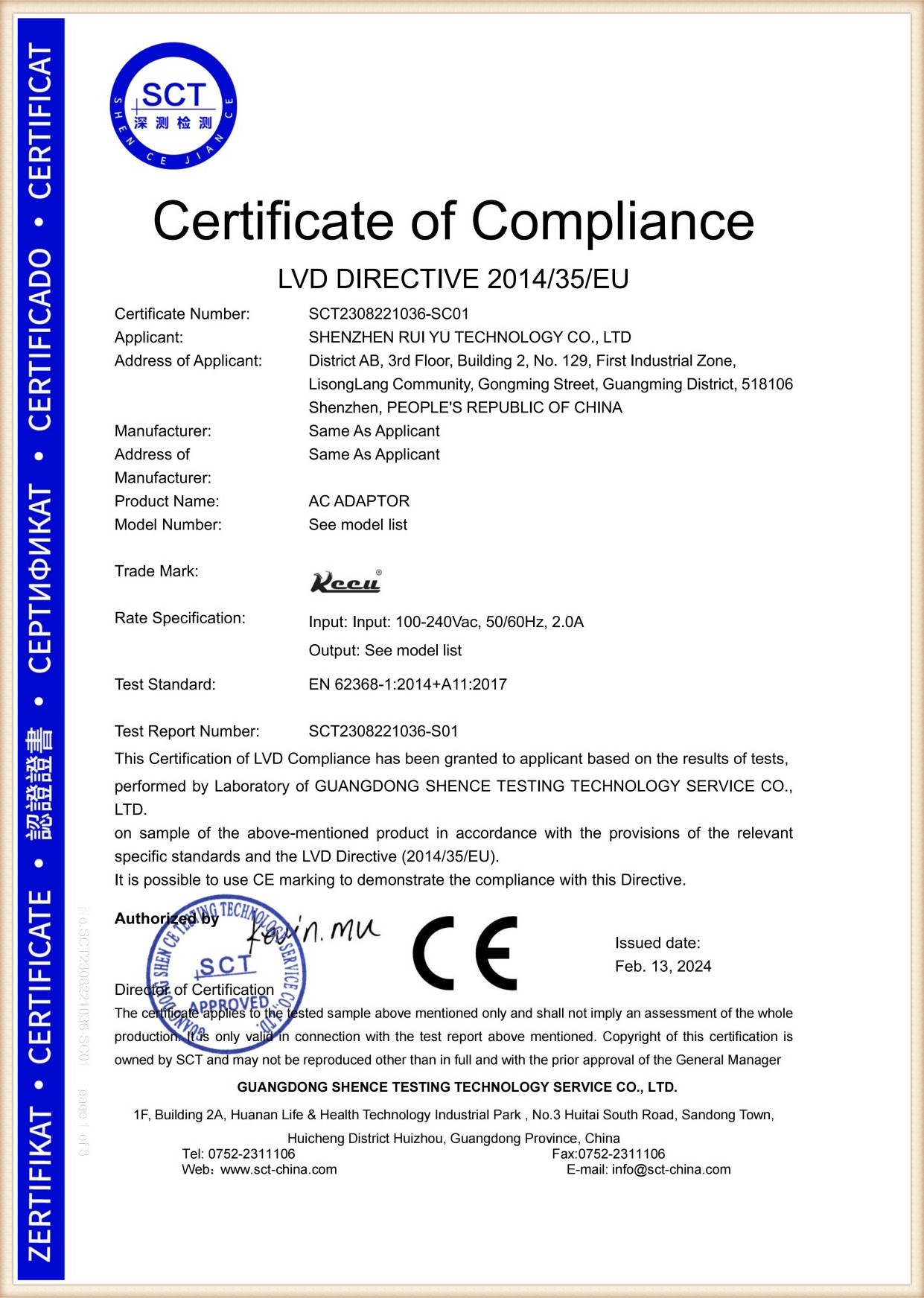
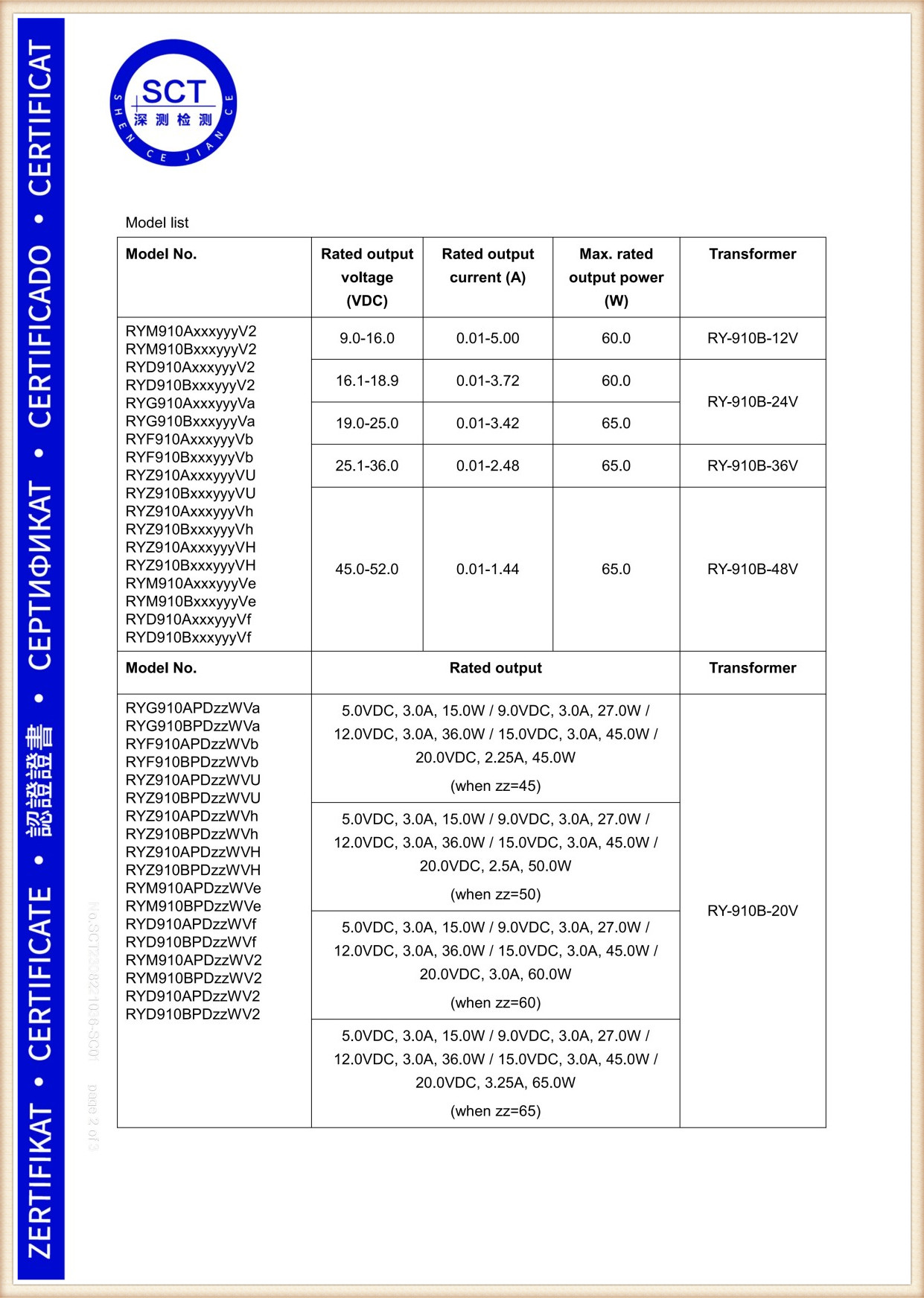
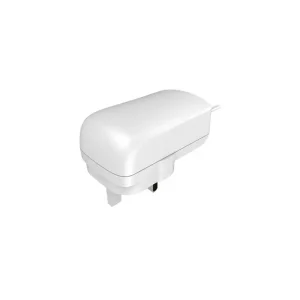
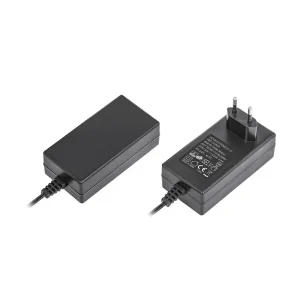
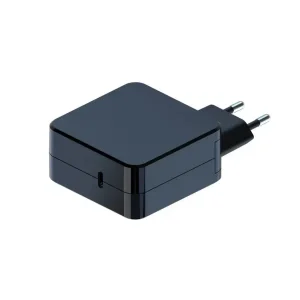
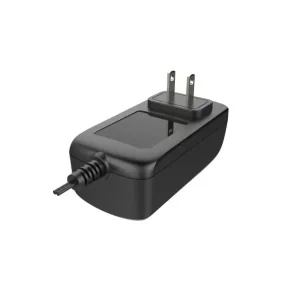
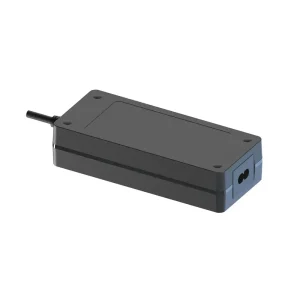
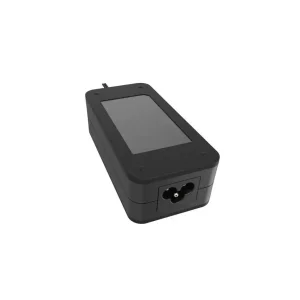
Explore our wide selection of certified desktop adapters, wall-mount chargers, and USB PD adapters optimized for the Japanese healthcare market.
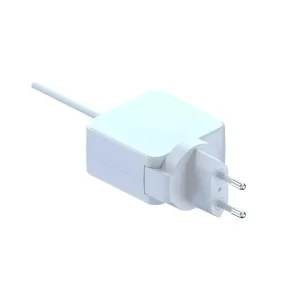
In medical manufacturing, there is no margin for error. A power supply failure can lead to critical downtime for monitoring equipment, loss of patient diagnostics, or at worst, electrical shock. At RUIYU Technology, our quality management system is structured around continuous risk mitigation.
Before packing, every single medical adapter undergoes a comprehensive evaluation protocol including:
Successfully distributing medical adapters within Japan requires more than just high-quality hardware. It demands meticulous regulatory documentation and responsive support. RUIYU Technology ensures seamless integration with the Japanese marketplace through:
PSE Registration & METI Filings: We manage the necessary compliance pathways, including filing notifications with the Ministry of Economy, Trade and Industry (METI). We also verify that our Japanese importers are supplied with complete factory test reports, certificate copies, and tracking index verifications.
Tracking Resistance (JIS C 8303): Japan's humid summers and coastal environments increase the risk of electrical tracking in wall outlets. Our wall-mount pins are designed to comply with tracking resistance standards, utilizing specialized insulating barriers near the plug blade bases.
Custom Packaging & Labeling: We provide full Japanese-language labeling, marking structures (displaying the importer name, PSE logo, and safety ratings), and customized packaging designed to streamline local customs clearance and internal hospital distributions.
 Tech Adapter