Explore our elite range of certified power solutions, manufactured to satisfy strict industrial, medical, and consumer electronics safety standards globally.
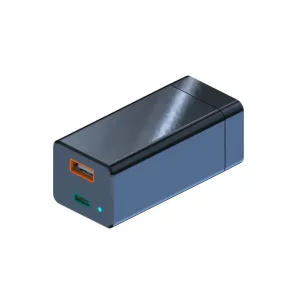
In an increasingly connected world, the demand for Universal Electric Plug Adaptors, power adapters, and custom power supplies has reached unprecedented levels. Modern commercial, medical, and industrial infrastructures rely heavily on stable, efficient power conversion. The global industrial power supply market is currently undergoing structural shifts driven by stringent environmental guidelines, integration of Gallium Nitride (GaN) technologies, and demanding certifications.
Historically, power adapters were treated as minor components. Today, they are critical points of system integration. From hospital emergency rooms utilizing EN60601-certified medical power adapters to logistics grids powered by smart Point-Of-Sale (POS) terminal adapters, failure is not an option. Hardware developers and procurement leads must secure partnerships with factories that demonstrate strict quality systems, traceability, and scalable design engineering.
Key Market Driver: The regulatory transition towards unified charging and power supply standards (such as USB-PD and IEC 62368-1) is forcing traditional legacy systems to modernize, demanding versatile, multi-voltage adaptors that operate flawlessly across variable regional grids (90V – 264V AC, 50/60Hz).
Global commerce demands that electrical appliances be compatible with localized grid systems. While North America operates predominantly on 120V at 60Hz with Type A/B outlets, Europe and major parts of Asia implement 230V at 50Hz utilizing Type C/E/F/G outlets. A true high-quality universal power adapter must handle wide voltage inputs (90V to 264V AC) to shield connected electronics from voltage fluctuations and power surges common in developing industrial environments.
The power adapter manufacturing landscape is rapidly transitioning. Design priorities have shifted from simple power delivery to optimization of efficiency, reduction of thermal footprints, and reduction of electromagnetic interference (EMI). Below is a comprehensive look at the technology roadmap driving the future of electric plug adaptors and switching power supplies:
| Parameters | Standard Power Supplies | Industrial/Medical Switching Adapters | Next-Gen GaN Universal Adapters |
|---|---|---|---|
| Input Voltage Range | 100-240V AC (Standard) | 90-264V AC (Full-Range Universal) | 85-264V AC (Ultra-Wide Universal) |
| Power Density | Low to Moderate (Silicon-based) | Moderate to High (Optimized topology) | Extremely High (GaN-based miniature size) |
| Safety Certifications | Basic CE / CCC | EN60601-1 (Medical), UL62368-1, PSE, SAA | UL62368-1, EN62368, PSE, CCC, KC, SAA |
| Standby Loss | < 0.3W | < 0.075W (DoE Level VI Compliant) | < 0.05W (Eco-Friendly State-of-the-Art) |
| Cooling System | Passive air, limited thermal dissipation | Advanced thermal potting, aluminum heatsinks | High thermal conductivity materials, smart throttling |
Universal electric plug adaptors and switching power supplies serve vastly different environments depending on their localized application profiles. Hardware engineering must account for these distinct variables to prevent catastrophic field failures.
Medical patient environments require isolation barriers designed to prevent leakage currents from reaching the human body. Under the EN60601-1 (IEC 60601-1) standard, medical power adapters must provide 2x MOPP (Means of Patient Protection) isolation. This mandates strict spacing distances (creepage and clearance) and high isolation voltages (up to 4000V AC). These safety tolerances prevent injuries to patients and operators of diagnostic and homecare medical devices.
Retail point-of-sale systems operate continuously. An adapter powering a POS unit must features over-current, over-voltage, and short-circuit protections. Robust shielding blocks electromagnetic interference (EMI) that can disrupt sensitive transactional card readers, touch displays, and local network components.
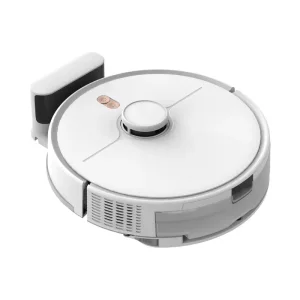
Products such as automatic vacuum cleaners operate in variable physical and environmental conditions. Dust ingestion, mechanical vibration, and continuous charge cycles require specialized power supplies with heavy-duty cables, strain relief protections, and rugged housing materials.
A premier global manufacturing facility delivering certified power solutions with extreme reliability.
Established in August 2010, Shenzhen FuYun (RUIYU) Technology Co., Ltd. is a high-technology enterprise specializing in the R&D, production, sales, and service of premium power adapters, switching chargers, and specialized high-voltage components for beauty instruments.
Located at No.129 of the first industrial zone, Lisonglang Community, Gongming Town, Guangming New District, Shenzhen, Guangdong, China, FuYun operates a large, state-of-the-art facility designed to execute high-volume OEM/ODM contracts with strict precision.
Our Quality Commitment: We standardize every single Standard Operating Procedure (SOP), testing each production run against rigorous international safety mandates. We execute 100% testing on all power units before packaging and dispatch, ensuring zero-defect shipments to our international clients.

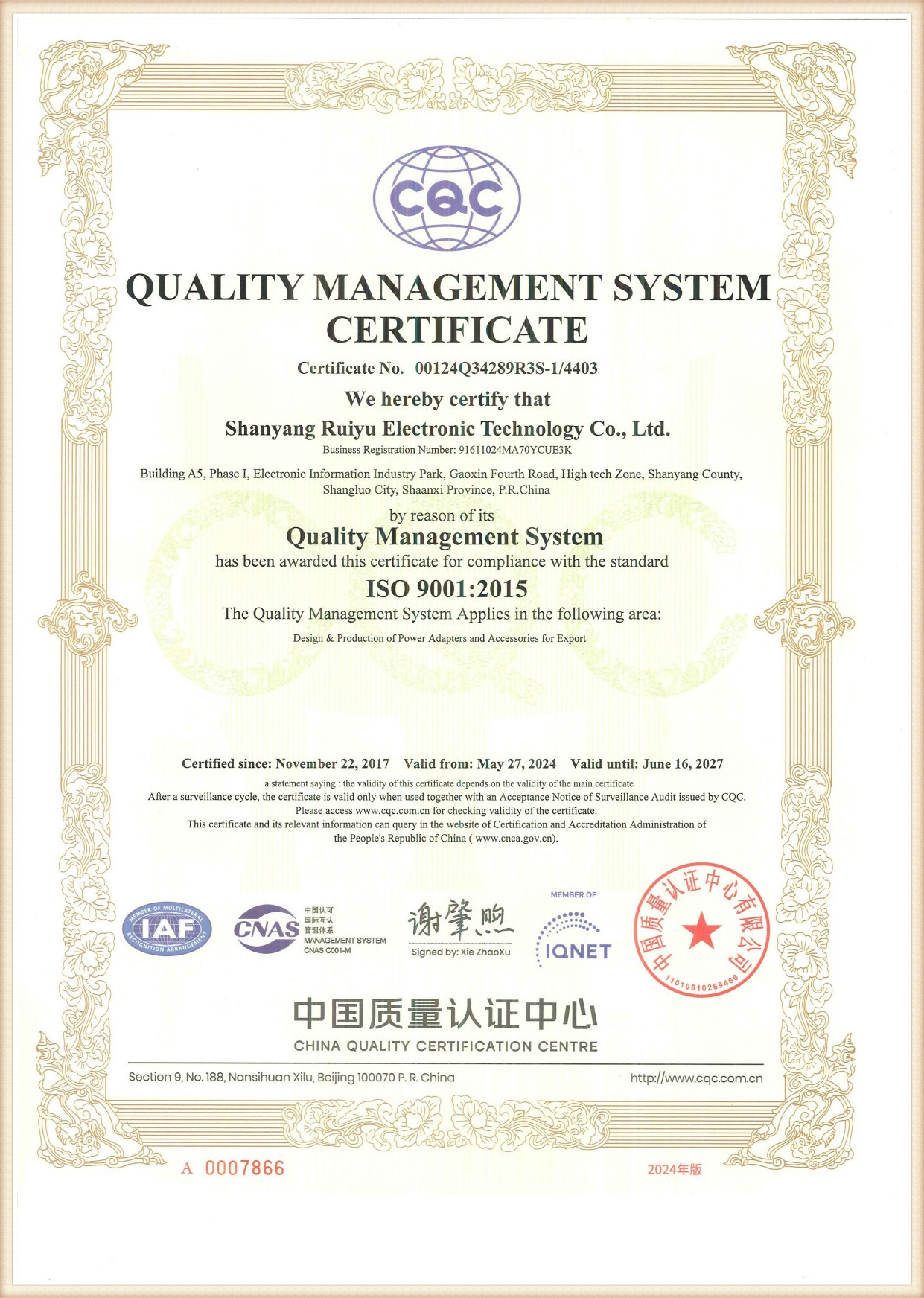
RUIYU Technology operates state-of-the-art automated production machinery, automatic calibration equipment, and reliability test laboratories. Under strict ISO 9001 supervision, our 30 QA/QC staff members inspect and test all adapters at each stage of manufacturing.
Our average lead time is 15 to 20 days from order confirmation. To guarantee traceability and performance, we maintain production records and testing logs for years.
We optimize partnerships with global businesses by providing quick-turn customization, safety consulting, and flexible order structures. Our factory delivers competitive OEM and ODM support, including:
Selecting a power supply partner is a long-term strategic decision. Poorly engineered adapters can trigger safety recalls, lead to import seizures, and damage a brand's reputation. At Shenzhen FuYun, we implement systematic safeguards to address these risks:
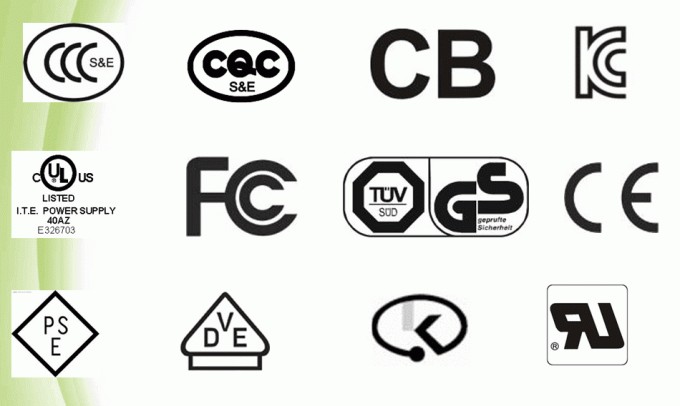
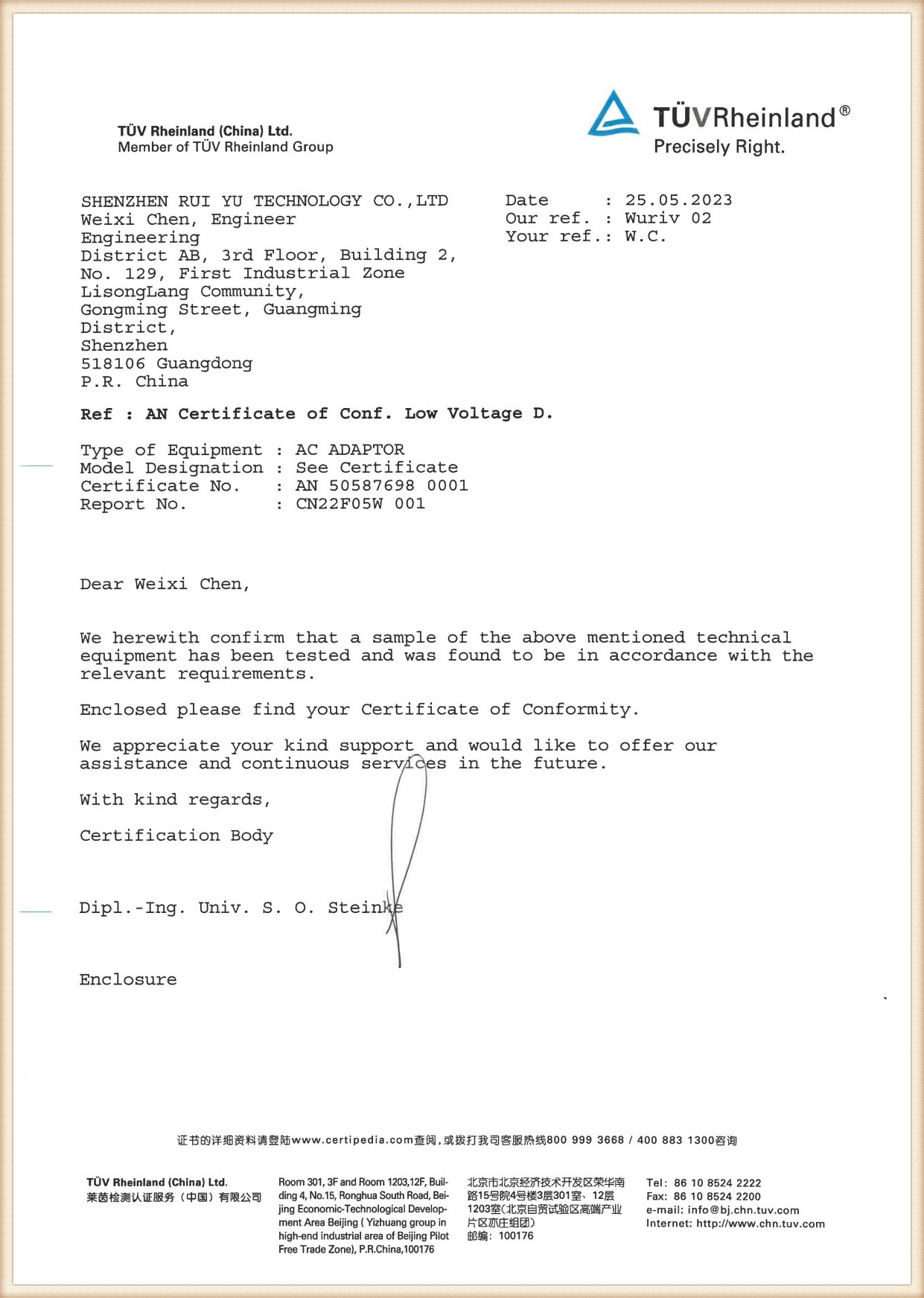
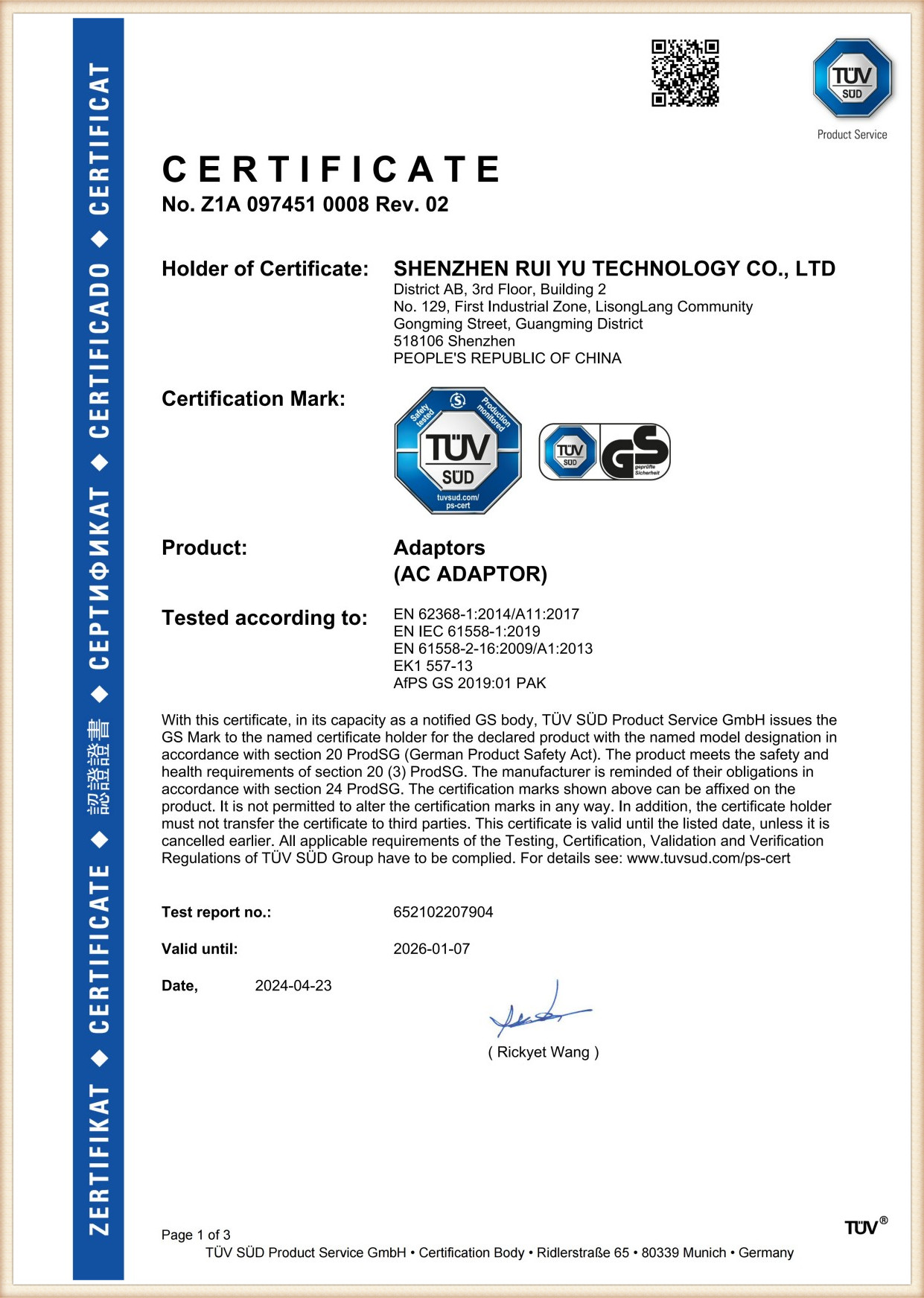
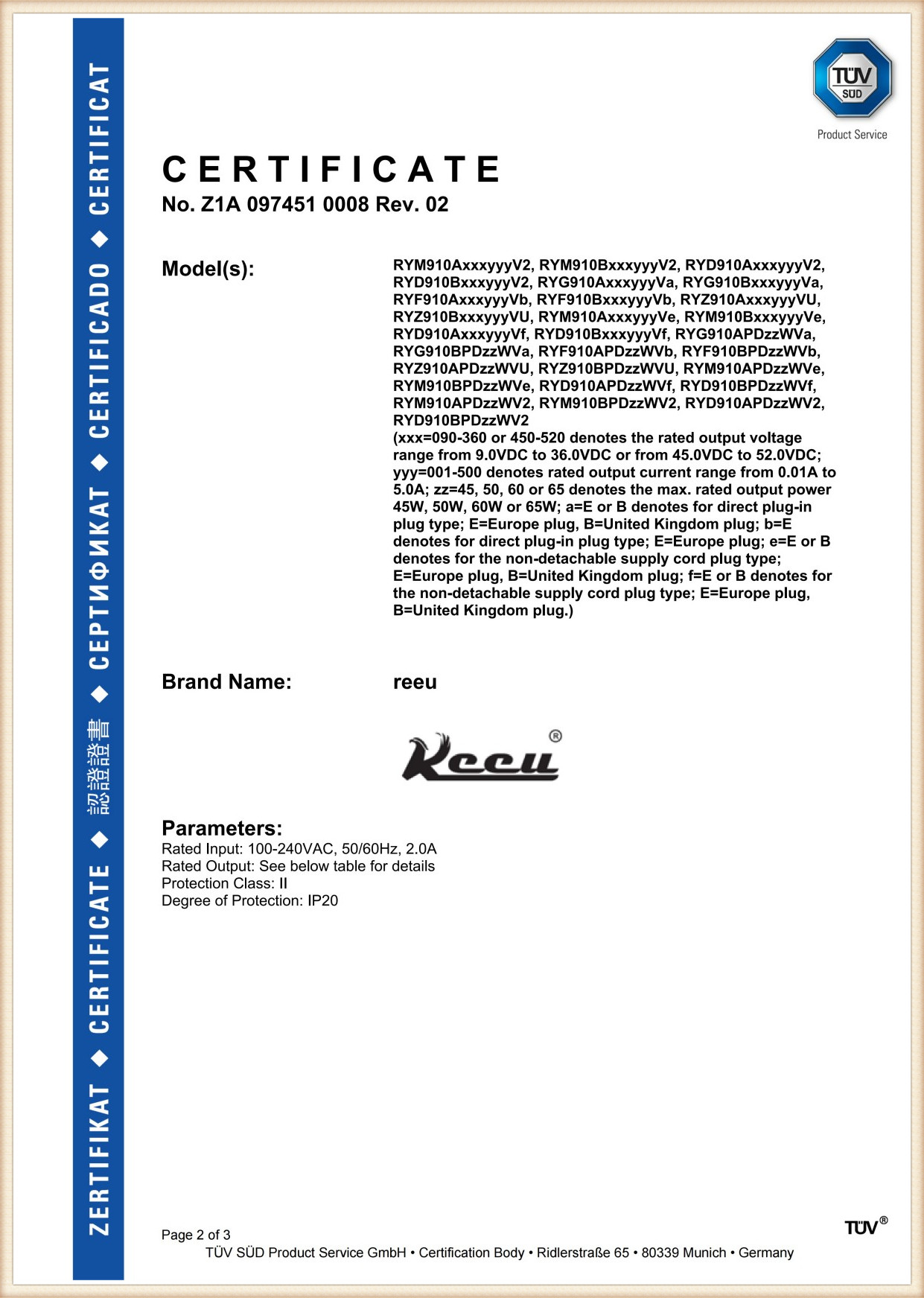
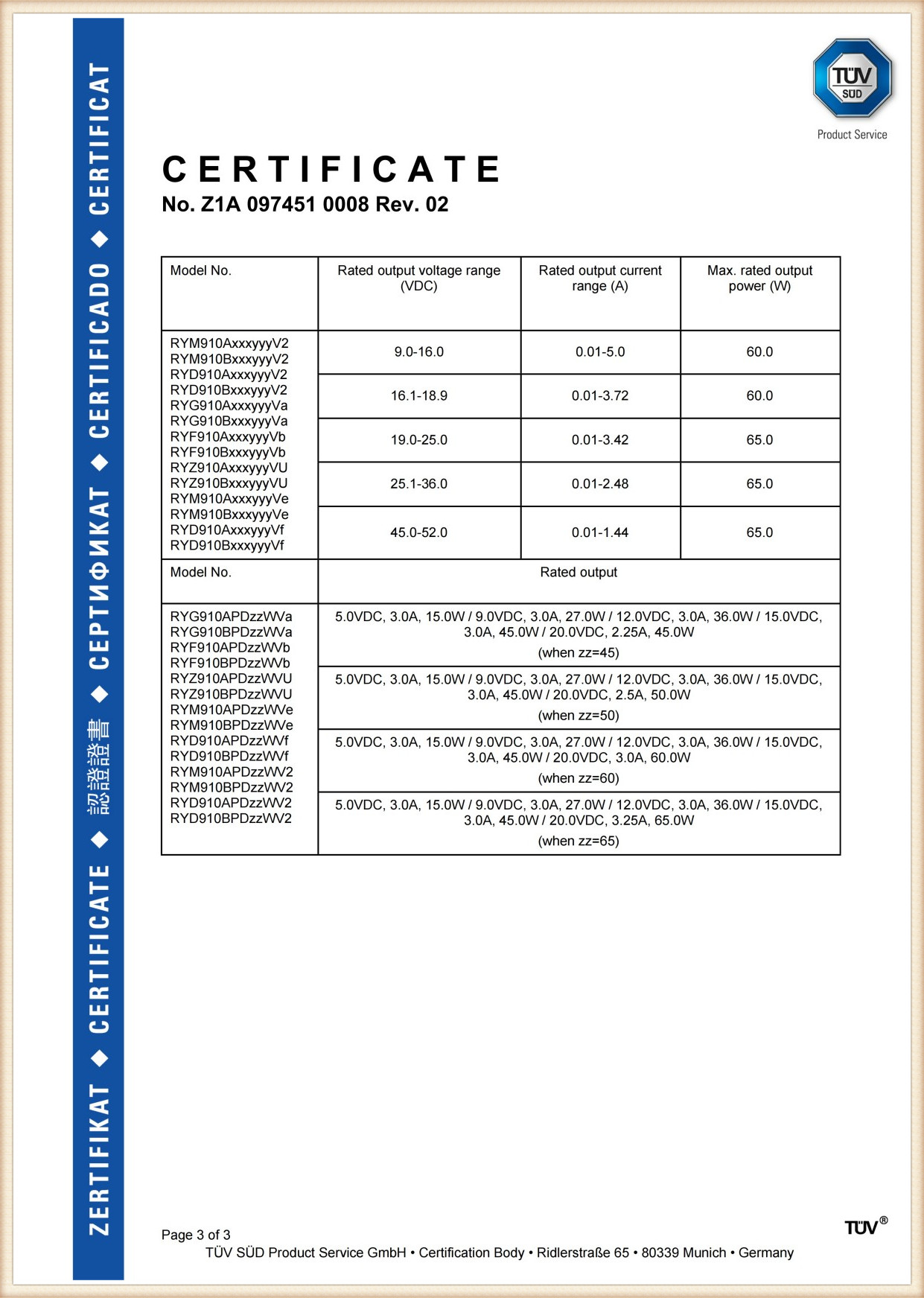
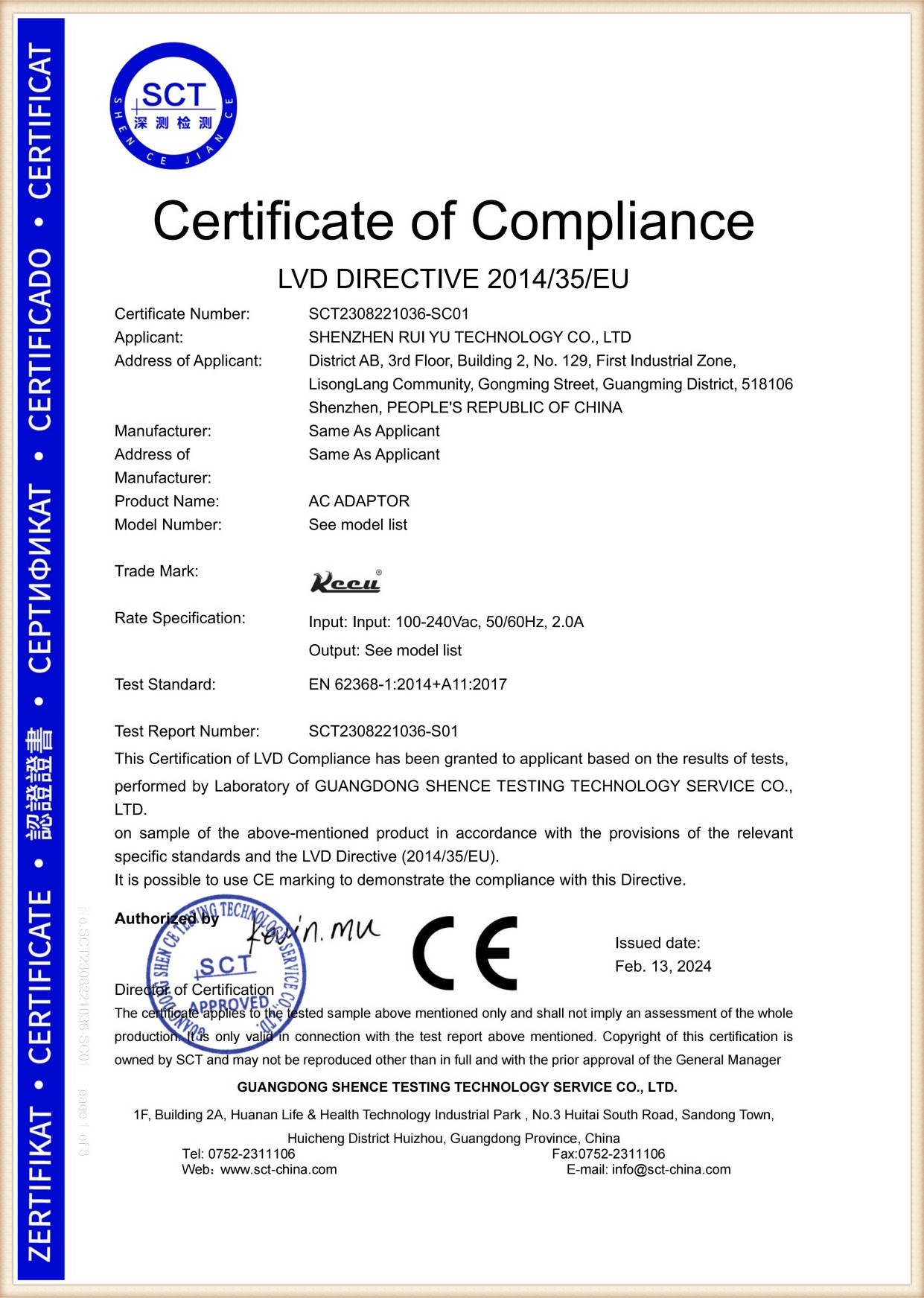
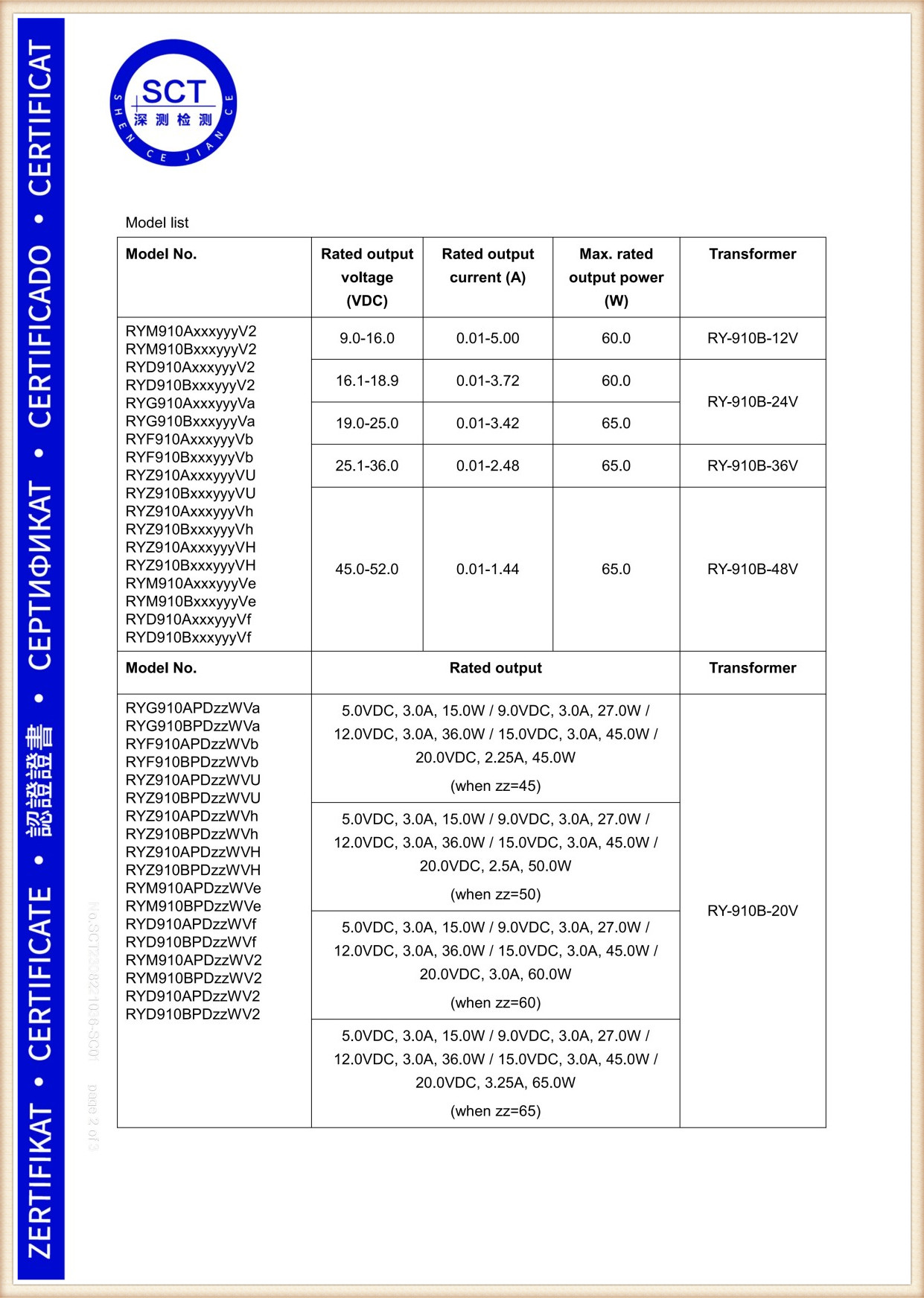
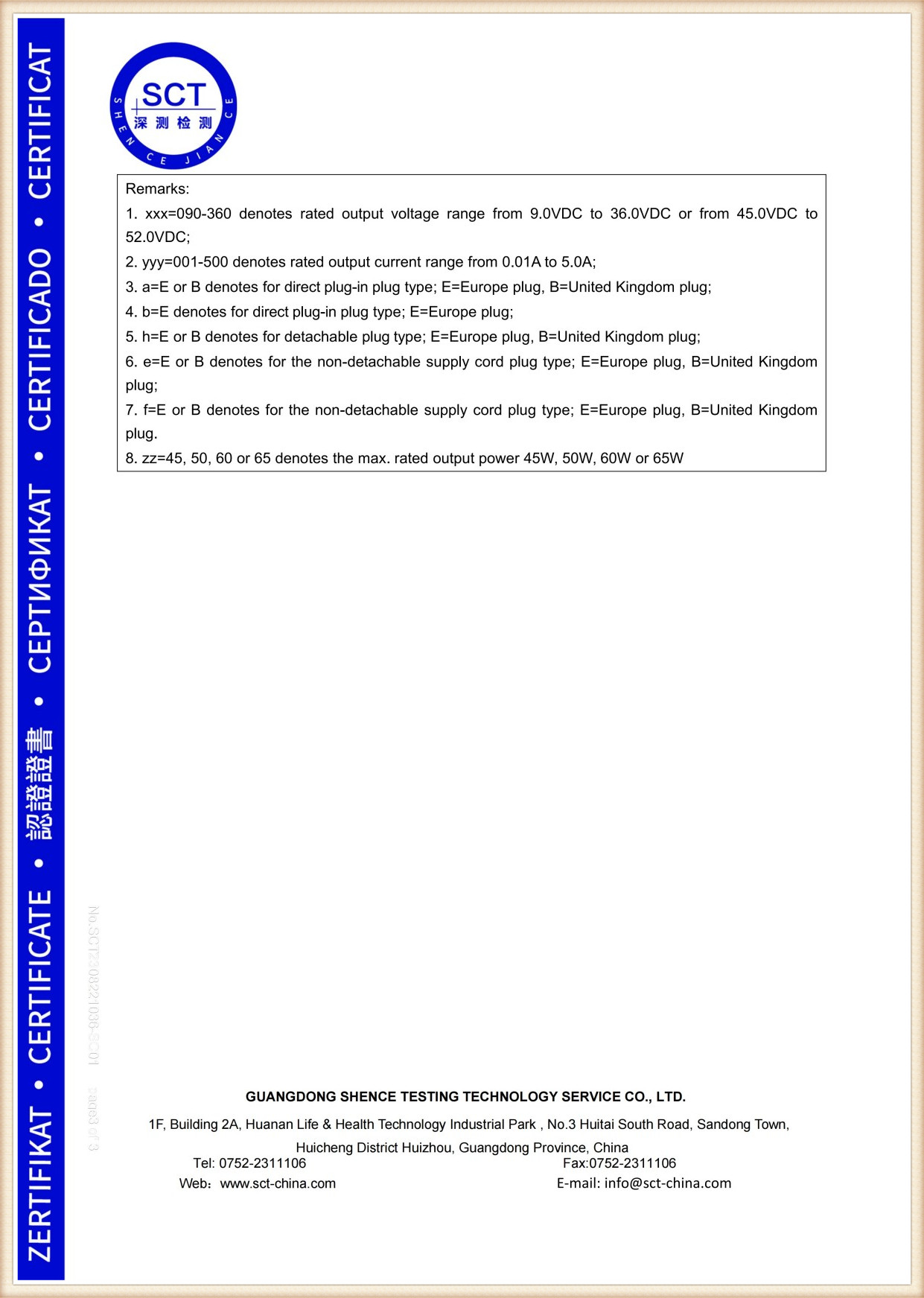
We coordinate with leading test laboratories (such as UL, TUV, Intertek, and SGS) to secure regional safety marks. Our hardware conforms to key international standards, including:
Operational stability depends on high-quality internal components. We partner with top-tier silicon, transformer core, and capacitor manufacturers to ensure long service life. Using high-grade capacitors rated for high temperatures (up to 105°C) dramatically increases the Mean Time Between Failures (MTBF) of our power solutions compared to standard desktop adapters.
Technical answers to critical regulatory, engineering, and manufacturing questions for procurement teams and system engineers.
To comply with the IEC 60601-1 (medical safety) standard, a power supply must features reinforced electrical isolation between the primary input and secondary output. This requires at least two Means of Patient Protection (2x MOPP).
This specification requires that the design maintain clear physical spacing (at least 8mm creepage and clearance distances) and handle isolation test voltages up to 4000V AC. Additionally, leakage currents must remain extremely low (micro-ampere range) to prevent electric shock risks to patients connected to diagnostic equipment.
Universal adapters utilize advanced switching regulator topologies (flyback converter designs) that adjust duty cycles based on incoming voltage. The controller chip dynamically regulates output voltage by modulating switching frequency. This allows the adapter to output stable DC power (such as 12V, 19V, or 24V) whether connected to 100V AC in Japan or 240V AC in Europe.
UL 62368-1 is the modern safety standard that replaced the legacy UL 60950-1 (for IT equipment) and UL 6500 (for audio/video equipment) standards. It uses a hazard-based safety engineering framework.
Rather than simply prescribing fixed safety rules, UL 62368-1 assesses the energy sources within the power supply and ensures safety safeguards are in place to prevent hazard transfer under normal and single-fault conditions.
For standard modified desktop switching adapters, prototype samples can be finalized within 3 to 5 business days. For customized OEM/ODM projects requiring new housing designs or specific PCB layouts, the R&D and tooling development process takes between 15 and 25 days. Mass production begins immediately after client testing and approval.
Our engineering team integrates dual-stage common-mode chokes, X and Y safety capacitors, and high-frequency shielding into the internal circuitry. These components filter electromagnetic noise, ensuring our products comply with FCC Part 15 and EN55032 Class B emission limits.
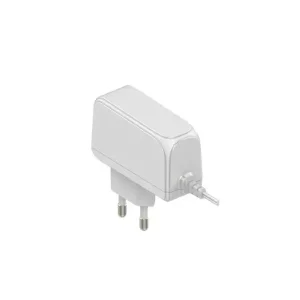
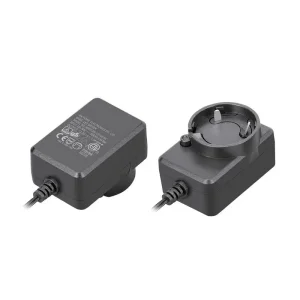
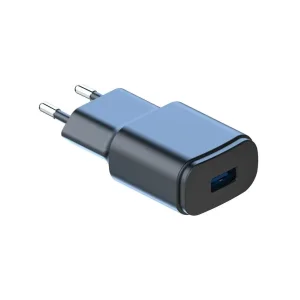
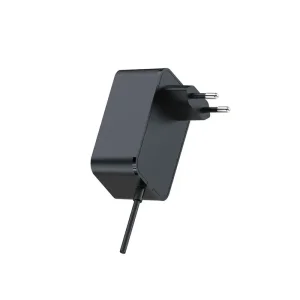
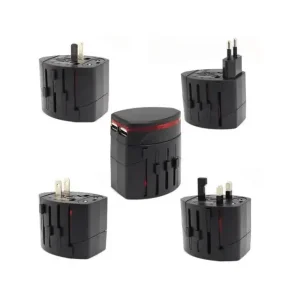
Discover more of our high-quality certified product line, featuring advanced protections and multiple pin configurations.
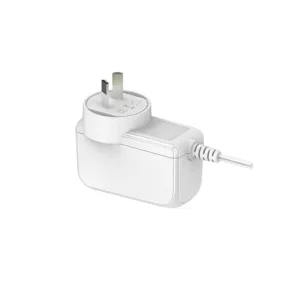
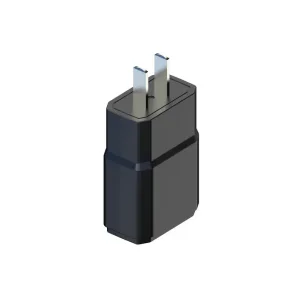
 Tech Adapter