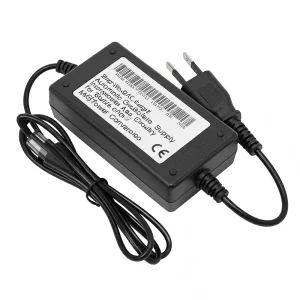
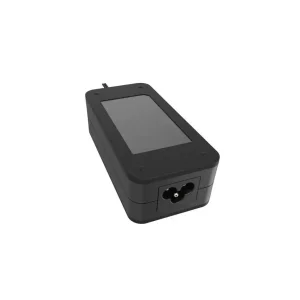
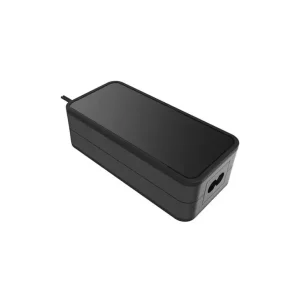
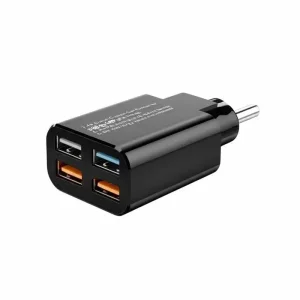
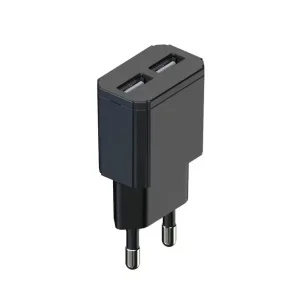
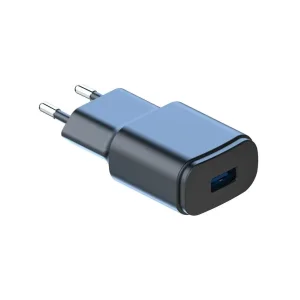
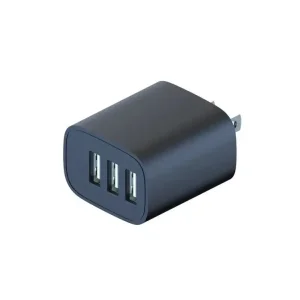
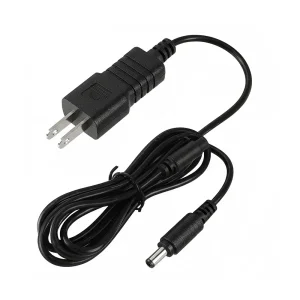
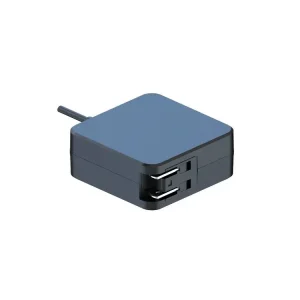
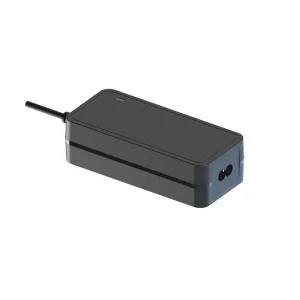
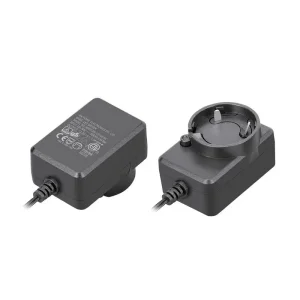
Explore our top-selling switching power adapters, engineered to comply with strict international regulatory frameworks and built for stable, loss-free power conversion.
In the modern ecosystem of interconnected electronic systems, the DC 12V 2A power adapter (delivering 24 Watts of continuous output power) stands out as one of the most ubiquitously deployed energy transmission modules in the world. From high-definition closed-circuit television (CCTV) surveillance arrays and fiber-optic networking hardware to modern smart household appliances and medical diagnostics tools, this specific power profile represents the ideal balance between safety, thermal efficiency, and power delivery.
The global demand for reliable 12V 2A power converters has shifted dynamically. Historically seen as commodities, power adapters are now evaluated on their compliance with global energy directives (such as the US Department of Energy's DoE Level VI and the European Union's CoC Tier 2 regulations) and safety architectures. As wireless speeds advance through Wi-Fi 6E/7 and IoT edge computational power spikes, power delivery must remain clean, Ripple-free, and resistant to electromagnetic interference (EMI). High-volume purchasers, OEM brand managers, and systems integrators look for manufacturers capable of maintaining strict quality control parameters at scale, ensuring long-term field stability.
We implement Pulse Width Modulation (PWM) IC controllers coupled with high-grade MOSFET switches to assure continuous operational efficiency exceeding 85% under extreme environmental conditions.
Every adapter unit features hardcoded Over-Voltage Protection (OVP), Over-Current Protection (OCP), Short-Circuit Protection (SCP), and Over-Temperature Protection (OTP) with auto-recovery modes.
Our desktop and wall-mount models leverage wide input ranges (90V - 264V AC, 47Hz - 63Hz) to seamlessly operate in the diverse electrical grids of North America, Europe, Asia, and Australia.
Because power requirements differ between market segments, we tailor our manufacturing profiles to specific environmental and electrical compliance demands.
Deployments in telecom terminals and optical network units (ONUs) require extremely low ripple noise (typically <100mVp-p) to prevent data packet drops and signaling deterioration over long distance lines.
Outdoor CCTV cameras running IR-illuminators demand adapters built with heavy weatherproofing, reliable cold-starts (-20°C), and transient surge safety measures to survive fluctuating supply lines.
Point-of-care patient monitors and clinical test instruments require medical-grade insulation barriers (2xMOPP) and extremely low leakage currents to ensure safety and prevent sensor calibration errors.
The power adapter industry is undergoing an evolutionary transformation centered on Gallium Nitride (GaN) semiconductor devices and micro-integrated circuits. While GaN has primarily dominated higher wattage profiles (65W-100W PD), manufacturers are now migrating this technology down to 24W/36W formats. The integration of GaN components allows designers to double power density, enabling 12V 2A adapters to shrink by up to 40% in physical volume while operating with lower operating temperatures and reduced standby power losses (<0.075W).
Simultaneously, the rising deployment of smart-home networks has generated a clear need for intelligent power diagnostics. Future-proof adapters will not simply supply current; they will integrate basic feedback lines (Smart Power Monitor ICs) to dynamically report current load metrics, temperature levels, and degradation alerts back to a central IoT system.
Established in August 2010, Shenzhen FuYun (RUIYU) Technology Co., Ltd. has grown from a specialized research workshop into a prominent manufacturer of power adapters, chargers, and high-voltage core components. Our facility is situated at No.129 of the First Industrial Zone, Lisonglang Community, Gongming Town, Guangming New District, Shenzhen, Guangdong, China.
For over a decade, we have optimized our internal management structures and advanced our testing systems to guarantee reliable high-volume shipments. We hold a strong position in key global markets, with our shipments to the United States and European Union accounting for 60% of our market share, alongside a steadily growing presence across China, Japan, and South Korea.
By adhering to market-oriented research and the core principles of "cooperative innovation, pragmatic execution, and shared achievement," we have continuously refined our production technologies. Since obtaining our initial quality certifications in 2012, FuYun (RUIYU) has established a reputation for manufacturing excellence in the electronics sector.

At RUIYU Technology, our workshops are equipped with modern automated production machinery, automatic calibration devices, and specialized reliability testing rooms. Our standard manufacturing lead time is 15 to 20 days from the receipt of a confirmed purchase order.
To ensure every power adapter aligns with our internal performance criteria, we employ 30 dedicated QA/QC staff members who inspect and test units at every critical production step—from incoming components (IQC) to final functional testing (FQC).
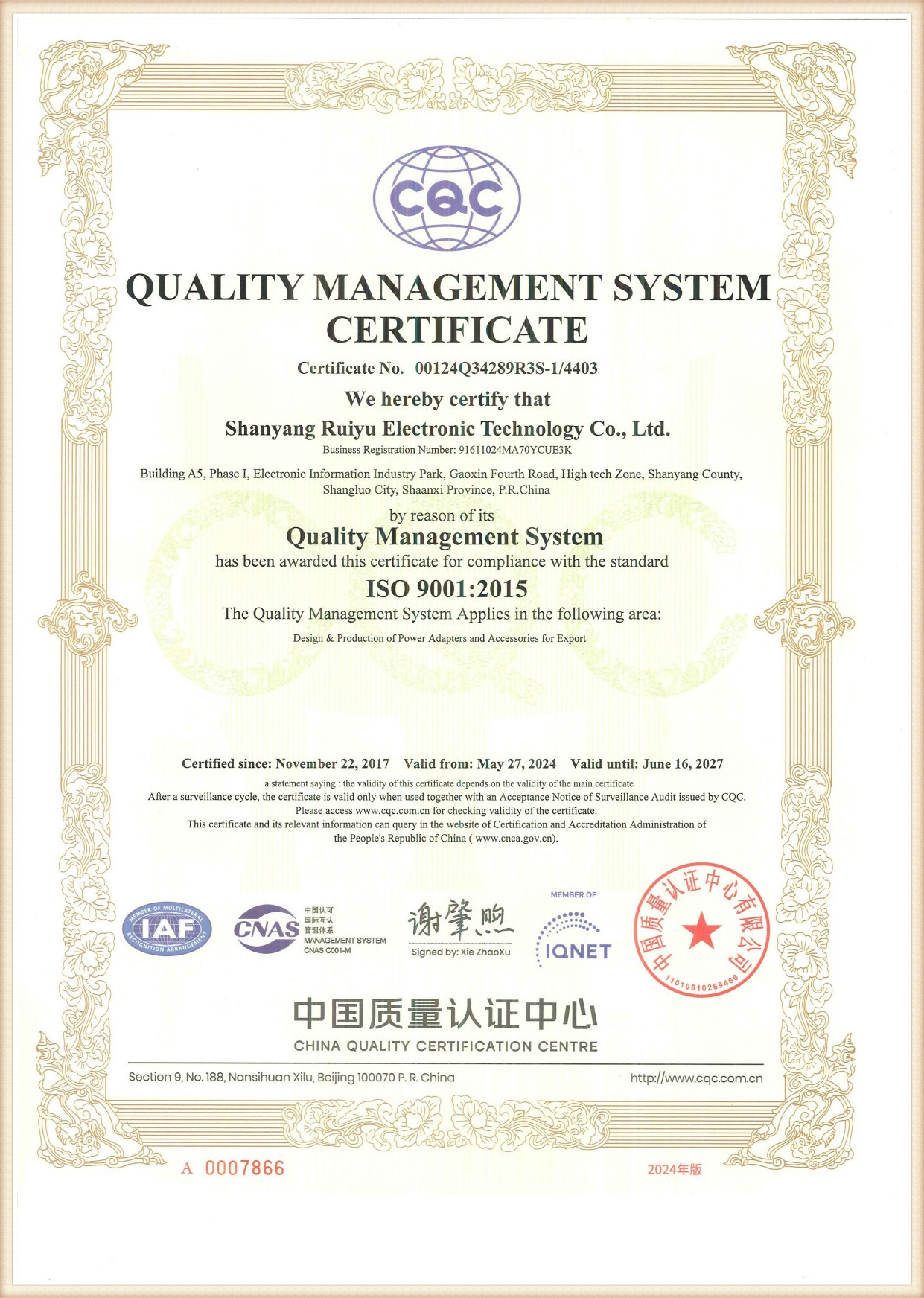
Our facility operates in strict accordance with the ISO9001 standard. Every adapter undergoes burn-in testing under full electrical load before packaging and shipment. We maintain detailed production logs for several years to ensure comprehensive traceability for every unit shipped.
We aim to foster long-term partnerships by delivering consistent product quality and responsive client support. Our commercial engagement terms are designed to simplify procurement and support stable product launches:

Find answers to common technical, regulatory, and production questions raised by engineering teams and purchasing managers during the adapter sourcing process.
Switching power supplies utilize a high-frequency switching regulator (PWM/MOSFET) to convert incoming AC power into DC output. This process achieves efficiencies of 85% or higher, generates minimal heat, and allows for compact, lightweight enclosures. In contrast, older linear adapters dissipate excess voltage as waste heat through heavy copper transformers, offering lower efficiency (often 40-60%) and bulkier physical profiles.
We manage ripple noise by integrating high-capacitance low-ESR (Equivalent Series Resistance) output filter capacitors and post-stage LC filters. Every design incorporates multi-stage EMI suppression components on both the input and output lines to maintain peak-to-peak ripple voltage well within 100mVp-p, protecting sensitive digital components from signal degradation.
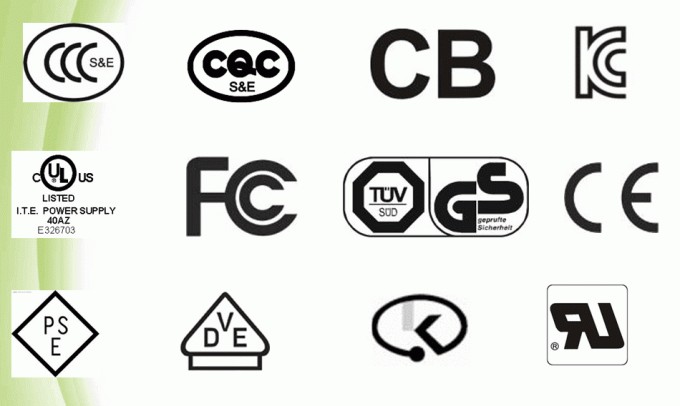
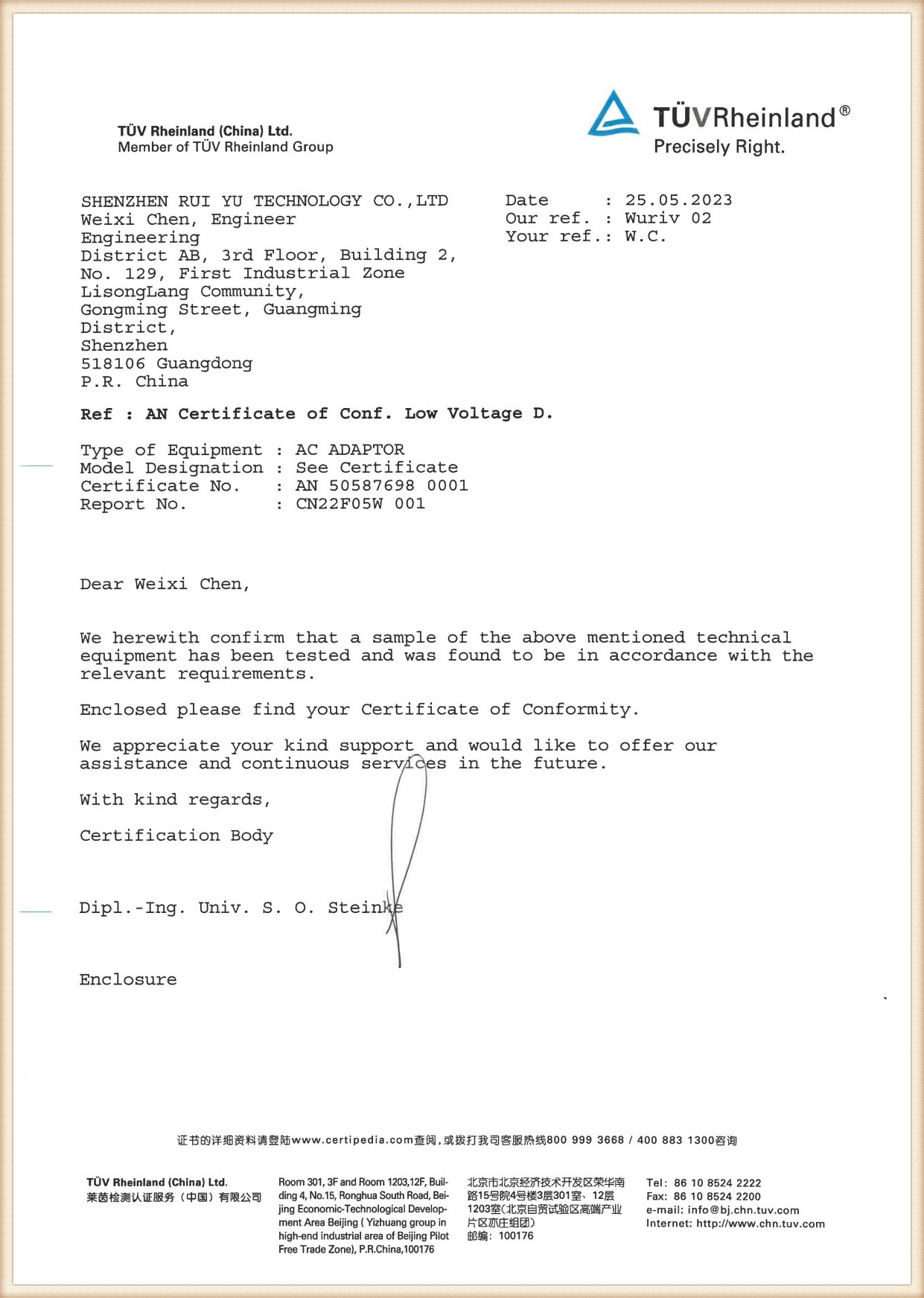
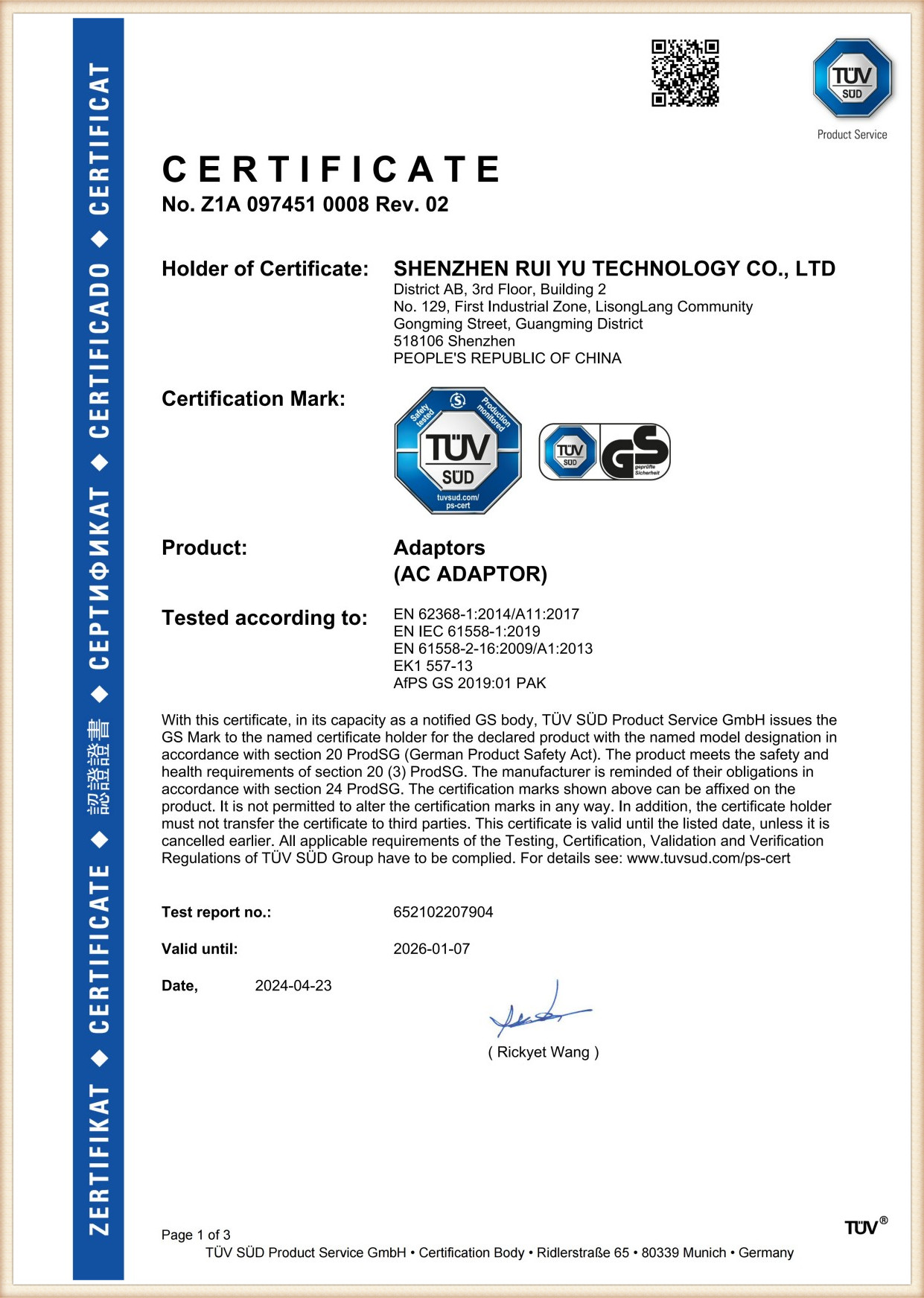
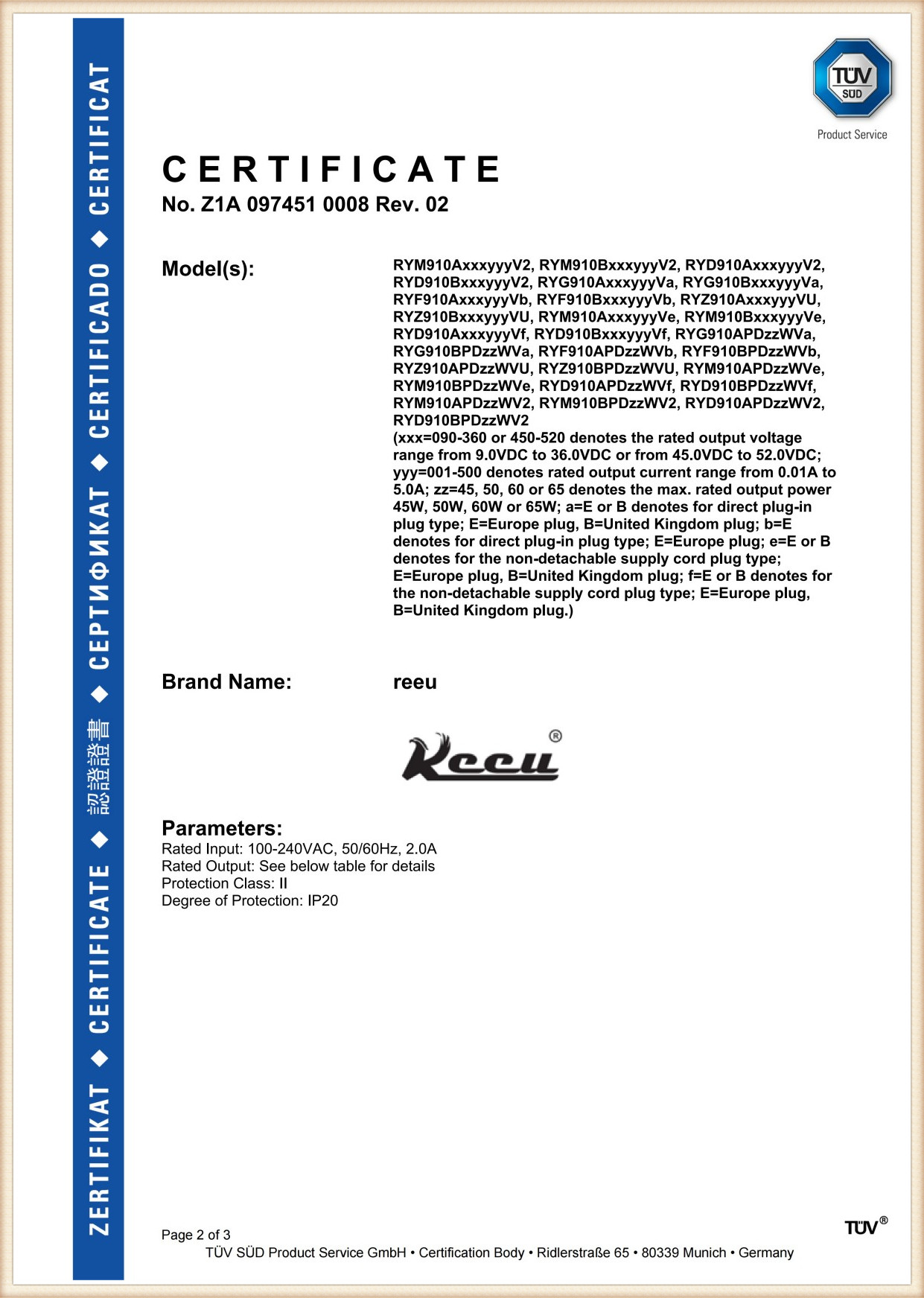
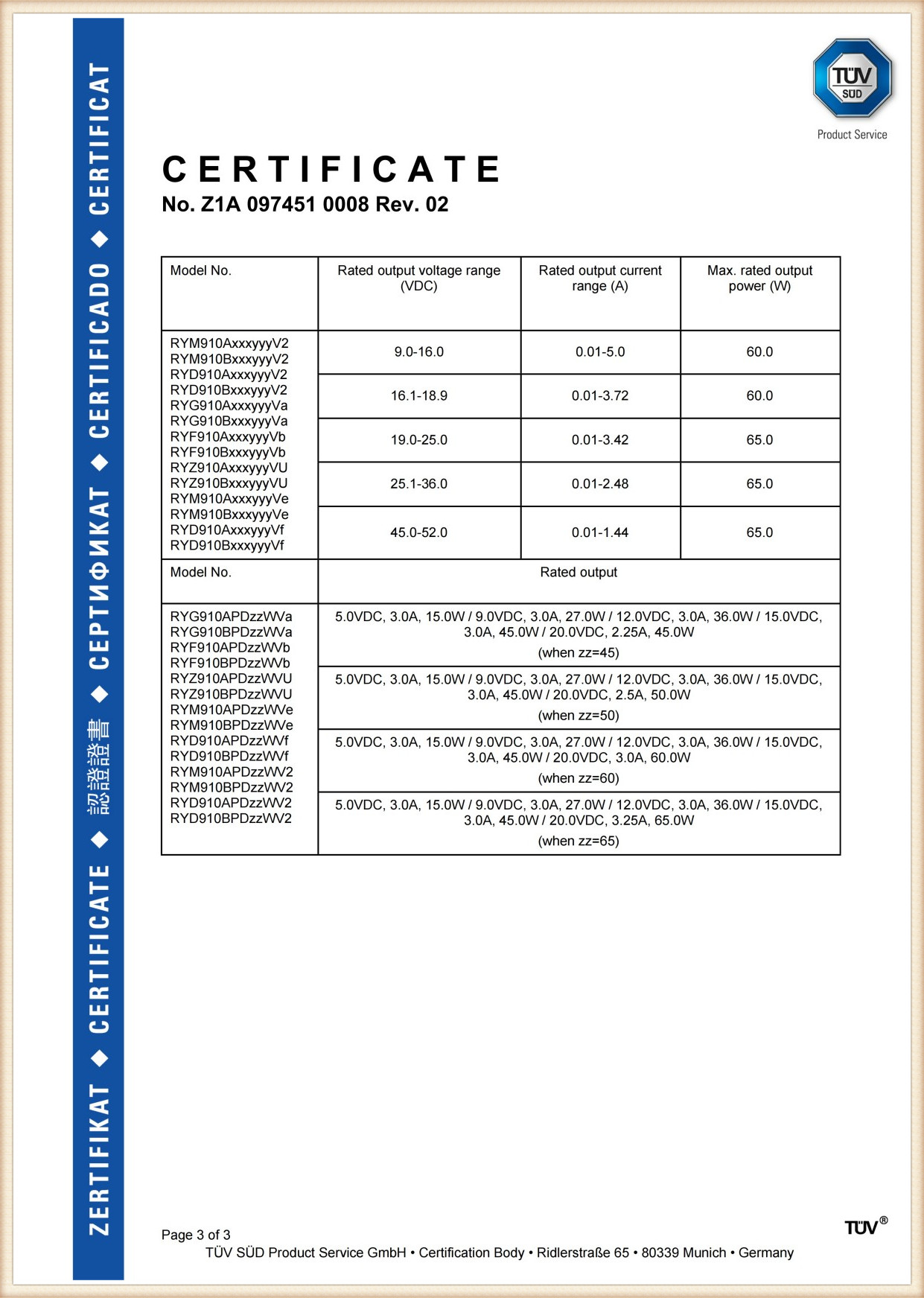
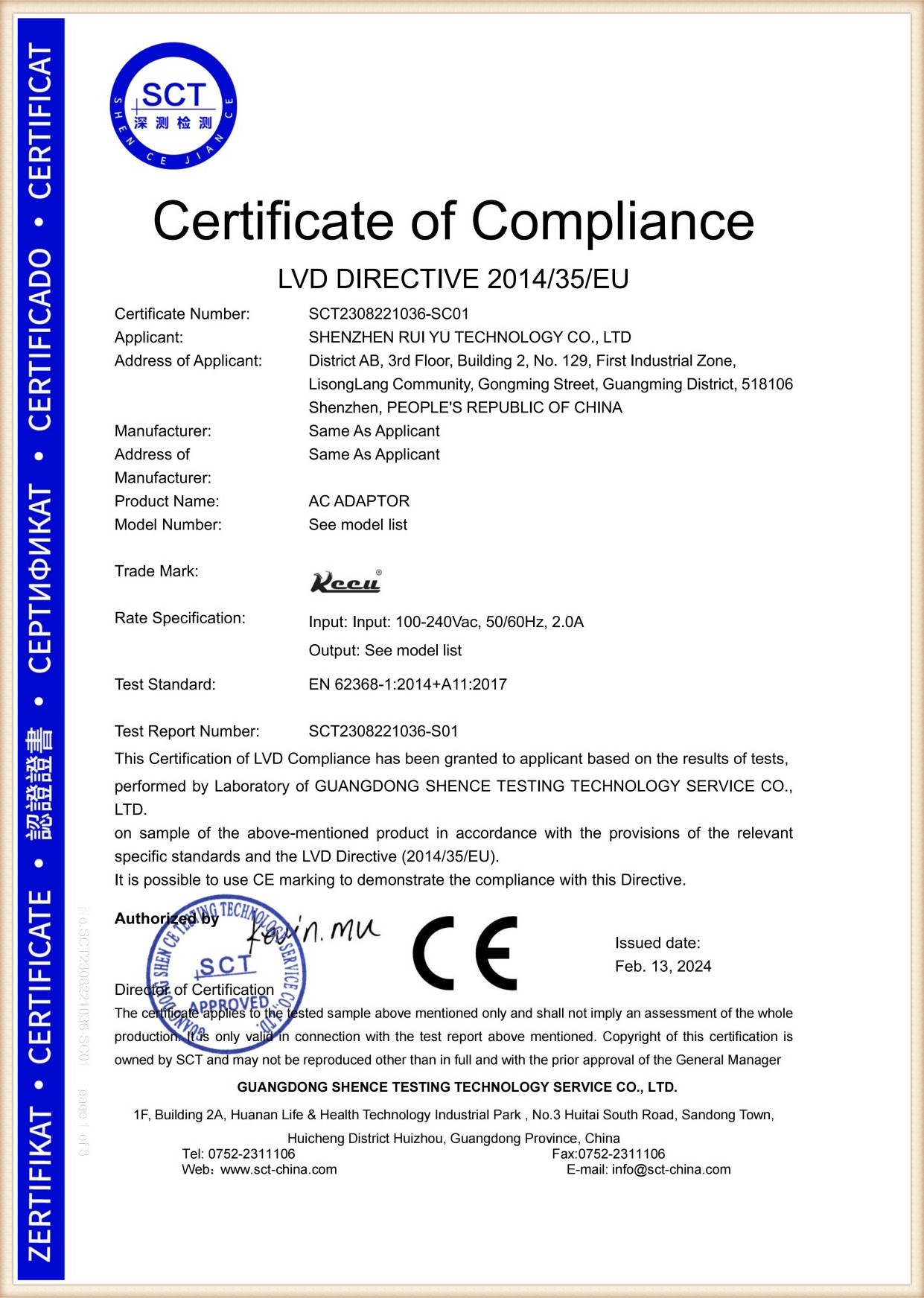
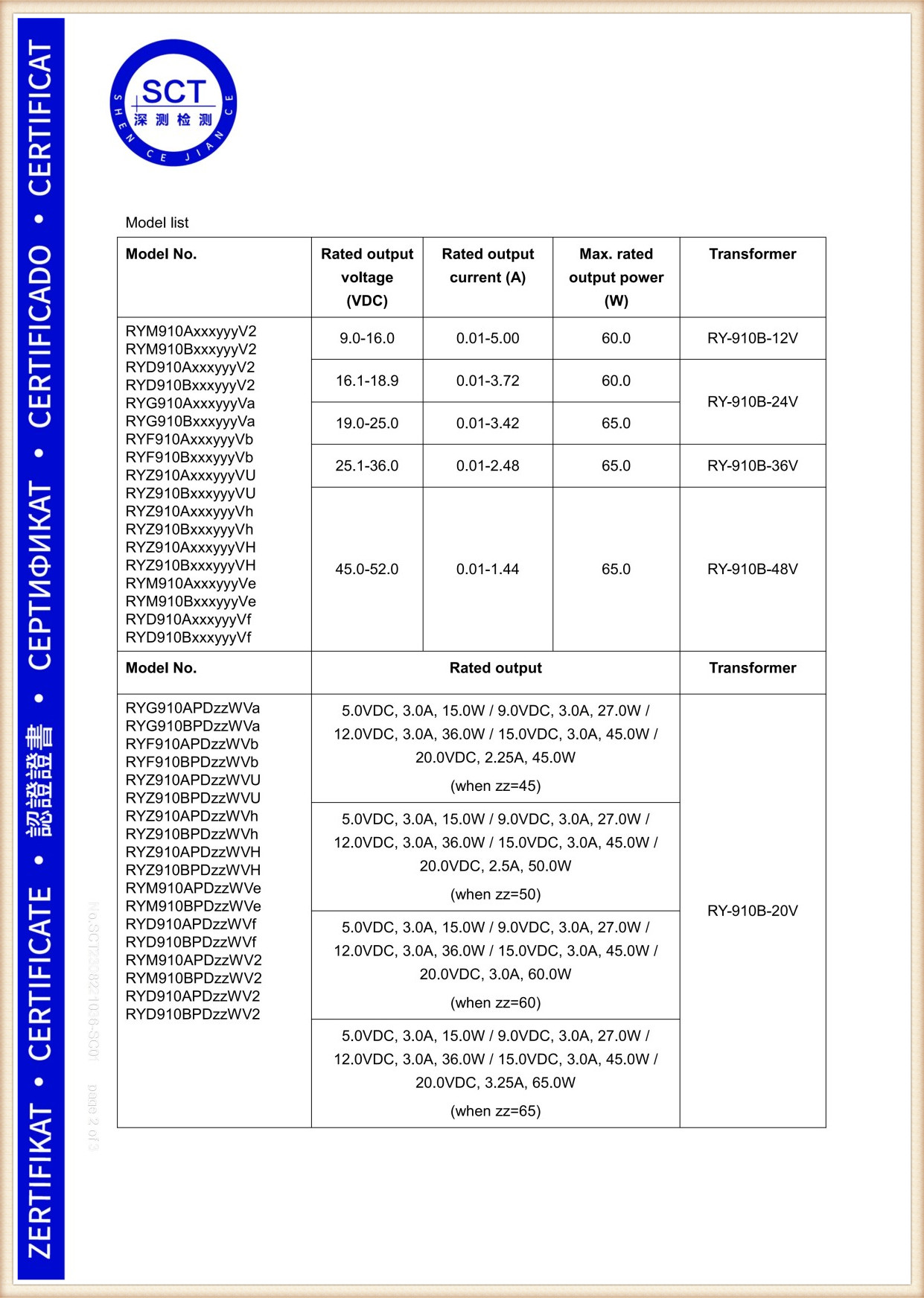
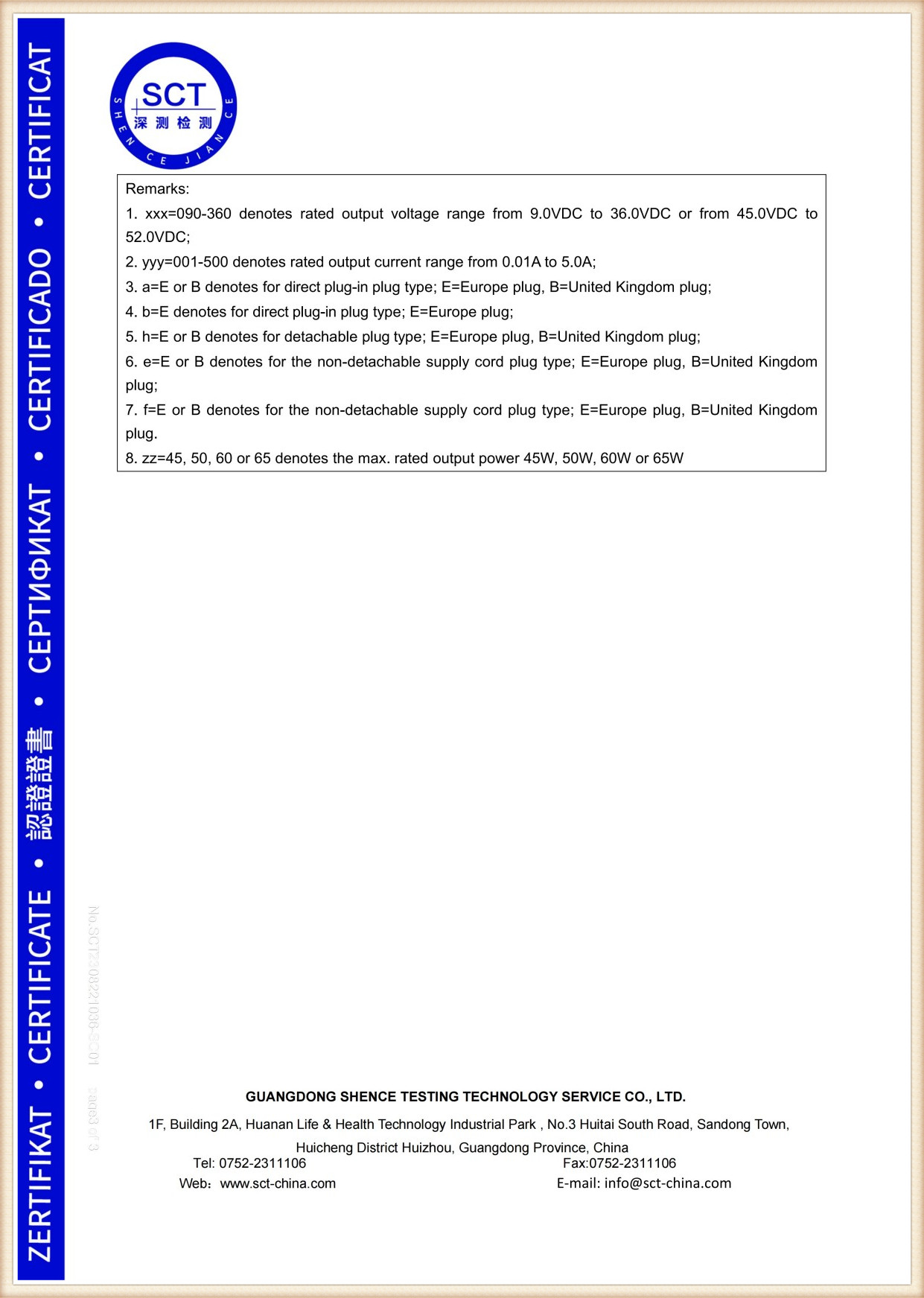
Our products are built and tested to meet international safety criteria, including UL60950, EN60950, and the updated IEC/EN 62368-1 standard for audio, video, and information technology equipment. We maintain valid certifications with UL/CUL, TUV, GS, CE, PSE, KC, and CCC, facilitating compliance checks for global distribution.
The United States Department of Energy (DoE) Level VI standard imposes limits on average active-mode efficiency and maximum standby (no-load) power consumption (typically <0.1W or <0.075W depending on output capacity). Importing non-compliant adapters into regions like the US or the EU (under ErP directives) can lead to customs delays or regulatory fines.
Yes. Our adapters are designed with onboard metal oxide varistors (MOVs) and specialized input surge suppression circuits. The standard configuration tolerates differential mode surges up to 1kV and common mode surges up to 2kV. For industrial applications deployed in lightning-prone areas, we can configure designs to support 4kV to 6kV protection ratings.
Yes. We provide complete customization options for output cabling. Customers can specify wire gauges (typically 18AWG, 20AWG, or 22AWG based on voltage drop requirements), custom lengths (1.2m, 1.5m, 1.8m, etc.), and diverse DC connector tips (such as 5.5*2.1mm, 5.5*2.5mm, 3.5*1.35mm, USB-C, or micro-USB formats).
Review our wider selection of wall-mount, desktop, and automotive power converters, manufactured to ensure long service life across varied electronic applications.
 Tech Adapter