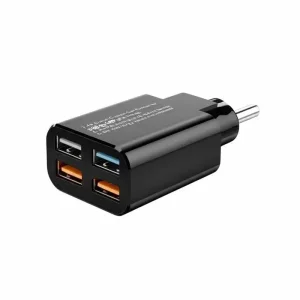
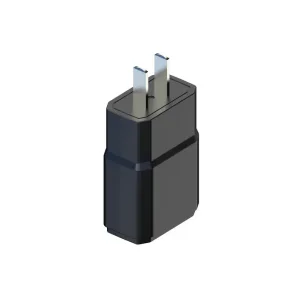
Explore our industrial and retail-grade charging devices designed for universal laptop, mobile device, and medical equipment applications.
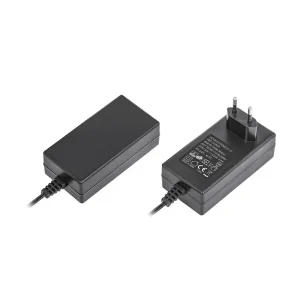
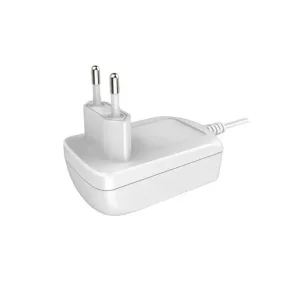
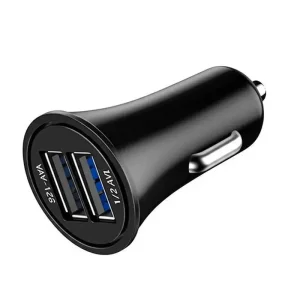
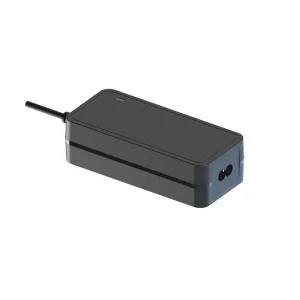
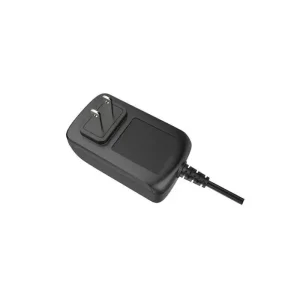
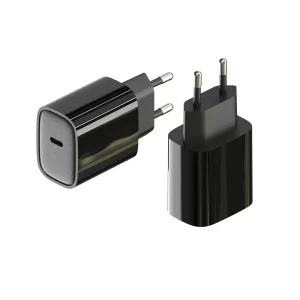
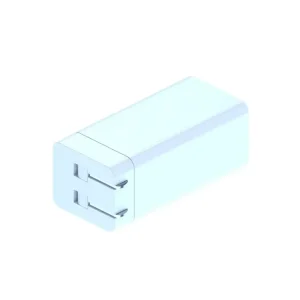
A comprehensive analysis of global Power Delivery (PD) protocols, gallium nitride efficiency, high-reliability design margins, and regulatory framework requirements.
The transition of enterprise hardware fleets to unified USB Type-C interface topologies has fundamentally changed corporate hardware procurement. The European Union’s common charger mandate, alongside structural enterprise shifts towards remote work and hot-desking, has made standardized USB Power Delivery (PD) charging units critical to business continuity. Industrial-grade laptop chargers must adapt to wide-input voltage dynamics (90-264 VAC) while providing continuous power across diverse operational environments without degradation of internal active components.
In data-driven environments, POS systems, and medical diagnostics, standard commercial-grade power units fail prematurely due to high thermal fatigue and low-quality components. High-performance OEM adapters address this problem by engineering margins that withstand continuous peak load conditions. Standardizing on robust power infrastructures allows organizations to lower electronic waste, simplify supply chains, and minimize localized device downtime.

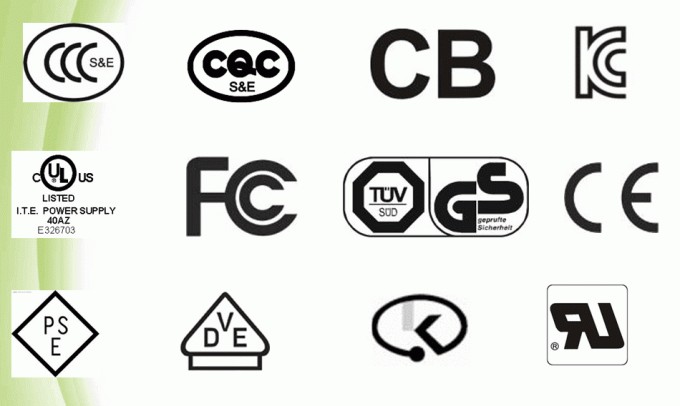
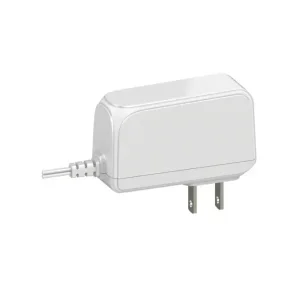
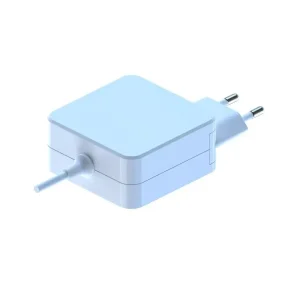
Modern power delivery units operate across diverse environmental demands, requiring purpose-built design configurations:
The power supply industry is shifting away from traditional Silicon (Si) MOSFETs toward Gallium Nitride (GaN) high-electron-mobility transistors (HEMTs). GaN technology offers superior bandgap characteristics and high electron mobility, enabling switching frequencies up to 5 times higher than silicon. This reduction in component size enables smaller magnetic structures and transformer components, while keeping conversion efficiencies above 92%. Our technical roadmap focuses on integrating advanced GaN platforms to reduce package volumes while increasing power density past 1.5W/cm³.
At the same time, the transition to the USB-PD 3.1 Extended Power Range (EPR) protocol allows power delivery capacities up to 240W (48V at 5A). This standard supports high-power mobile workstations, industrial tools, and medical hardware over a standard Type-C interface, removing the need for proprietary DC jacks. Our research and development focuses on active power factor correction (PFC) circuitry and smart thermal dissipation protocols to ensure stable operation at these higher power densities.
| Operational Parameter | Industry Standard Compliance | FuYun (RUIYU) R&D Target Specs |
|---|---|---|
| Input Voltage Range | 100-240 VAC ± 10%, 50/60 Hz | 90-264 VAC Full-Range Continuous, 47-63 Hz |
| Average Active Efficiency | ≥ 85% (Level VI Requirements) | > 89% to 93% (GaN Integrated Architectures) |
| Ripple & Noise (Vp-p) | < 150mV Max at full load limits | < 80mV Peak-to-Peak (High Frequency Filter Capacitors) |
| Mean Time Between Failures (MTBF) | 30,000 Operating Hours | ≥ 50,000 Hours (Calculated per MIL-HDBK-217 at 25°C) |
| Leakage Current Margin | < 0.25 mA for ITE standard electronics | < 0.1 mA (Compliant with Medical Standard EN60601) |
A trusted global manufacturing partner specializing in advanced AC adapters, switching power supplies, and customized charging equipment since 2010.
Established in August 2010, Shenzhen FuYun (RUIYU) Technology Co., LTD. is located at No.129 of the first industrial zone, Lisonglang Community, Gongming Town, Guangming New District, Shenzhen, Guangdong, China. We operate a modern factory specializing in the research, development, production, and sales of power adapters, chargers, and high-pressure components for hairdressing systems.
Our manufacturing facility contains 48 automated production lines, advanced testing equipment, and environmental reliability laboratories. Supported by more than 30 management staff and 30 QA/QC personnel, we enforce strict controls at every stage of production to ensure traceability and stability across all shipping batches.
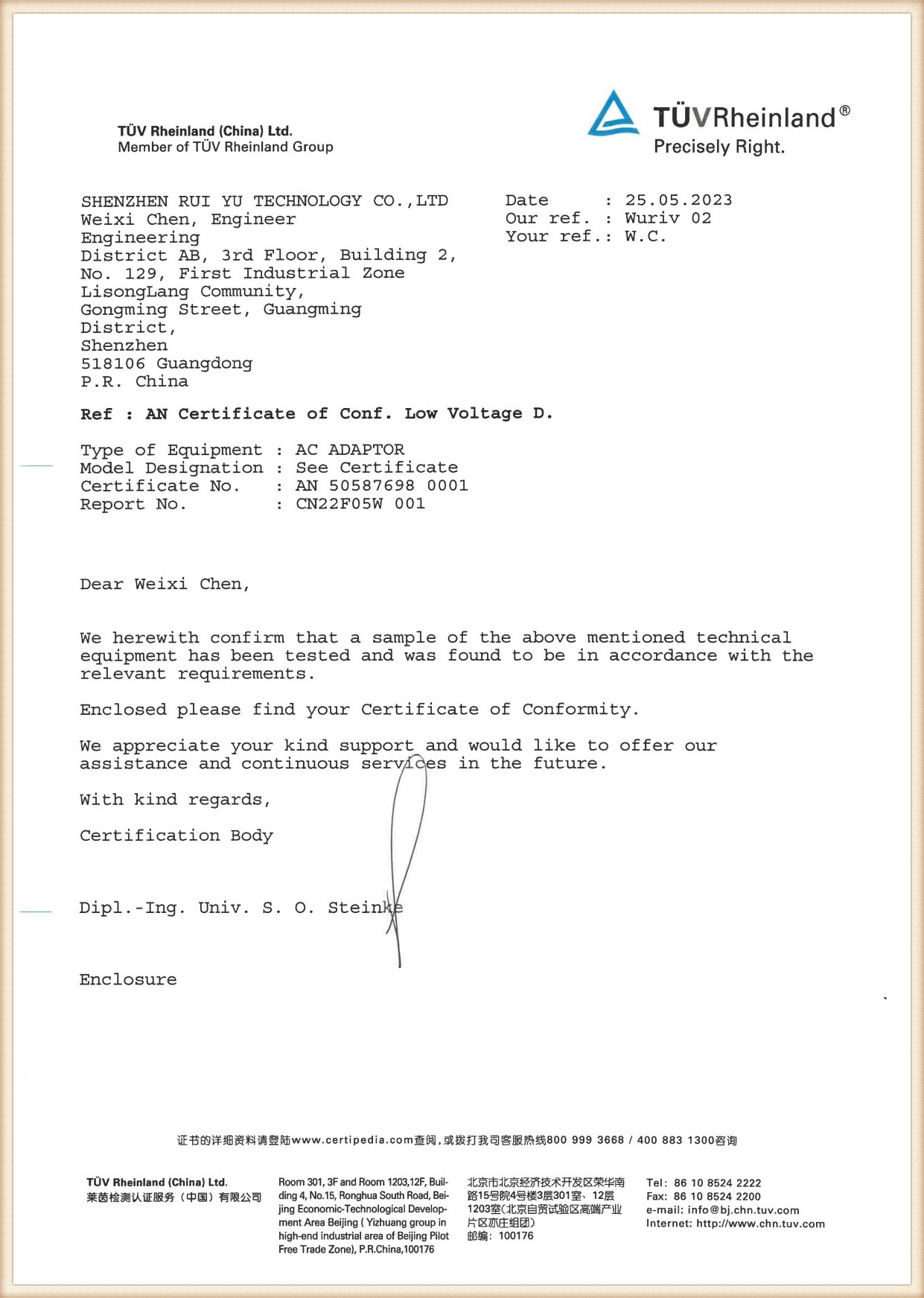
Since our founding, we have focused on improving internal management systems and quality processes. RUIYU Technology serves global markets, with 60% of our products exported to the USA and Europe, and rapid expansion underway in China, Japan, and South Korea. In 2012, we completed a series of international product safety and management certifications, establishing our reputation for quality within the power supply industry.
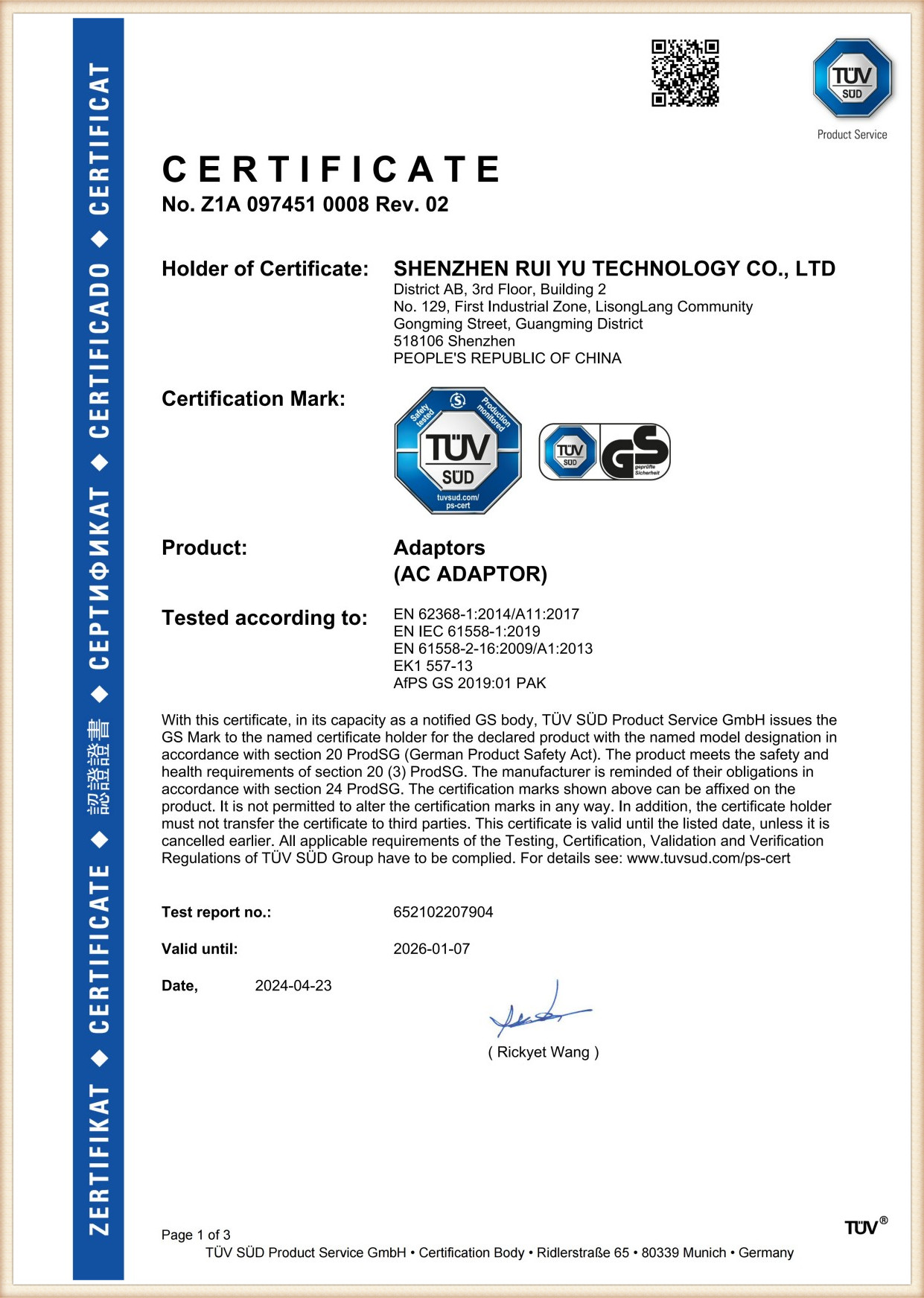
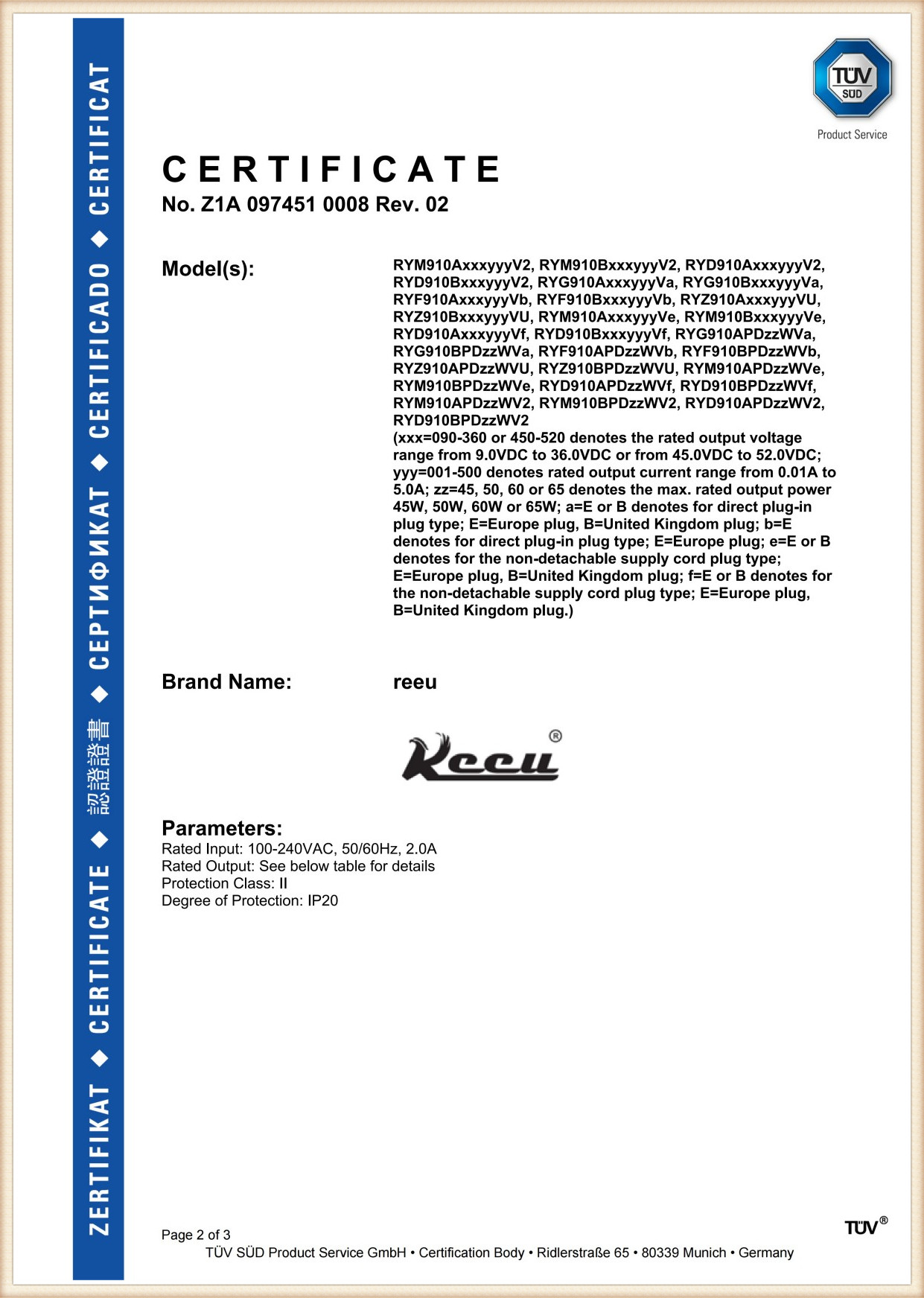
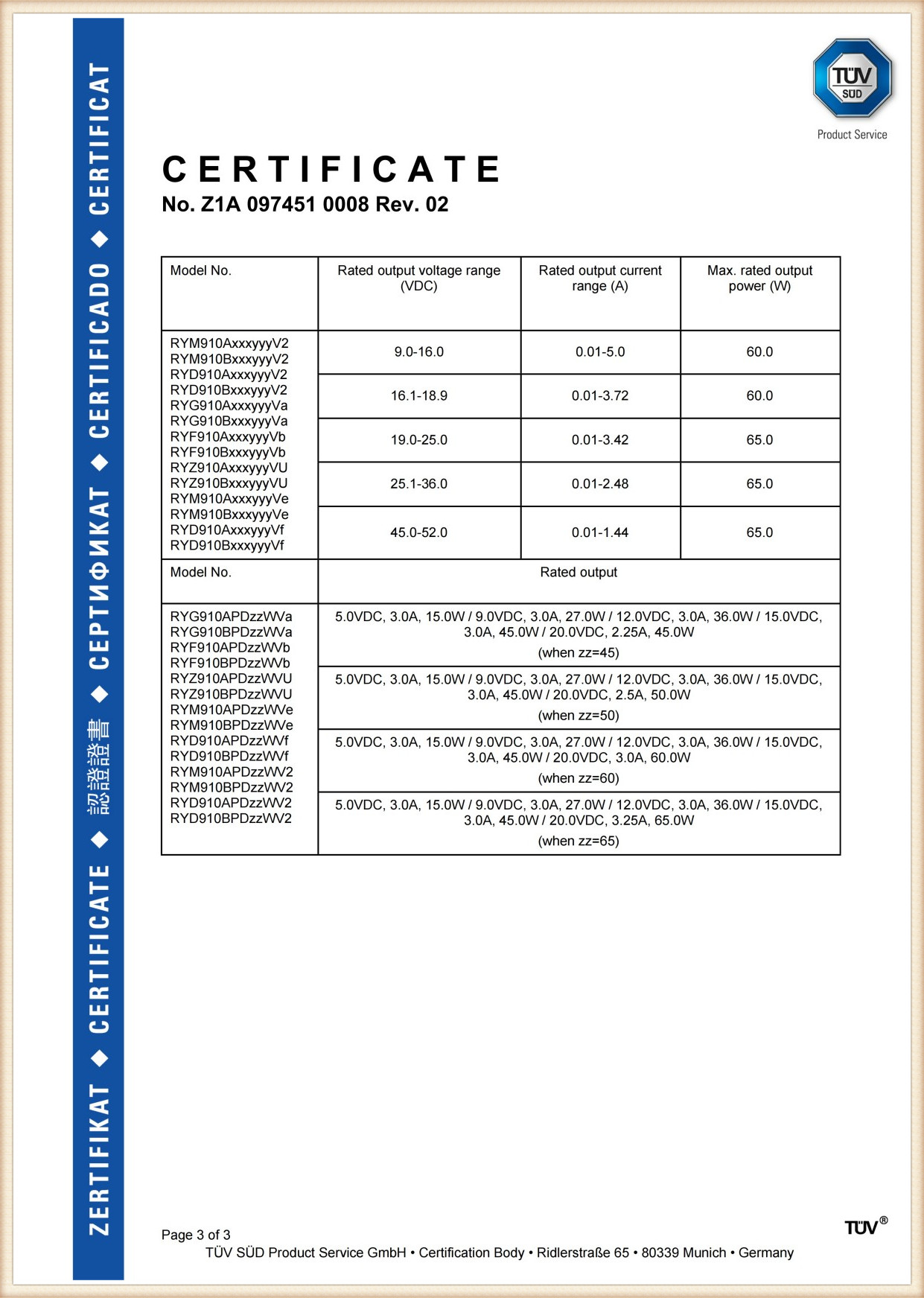
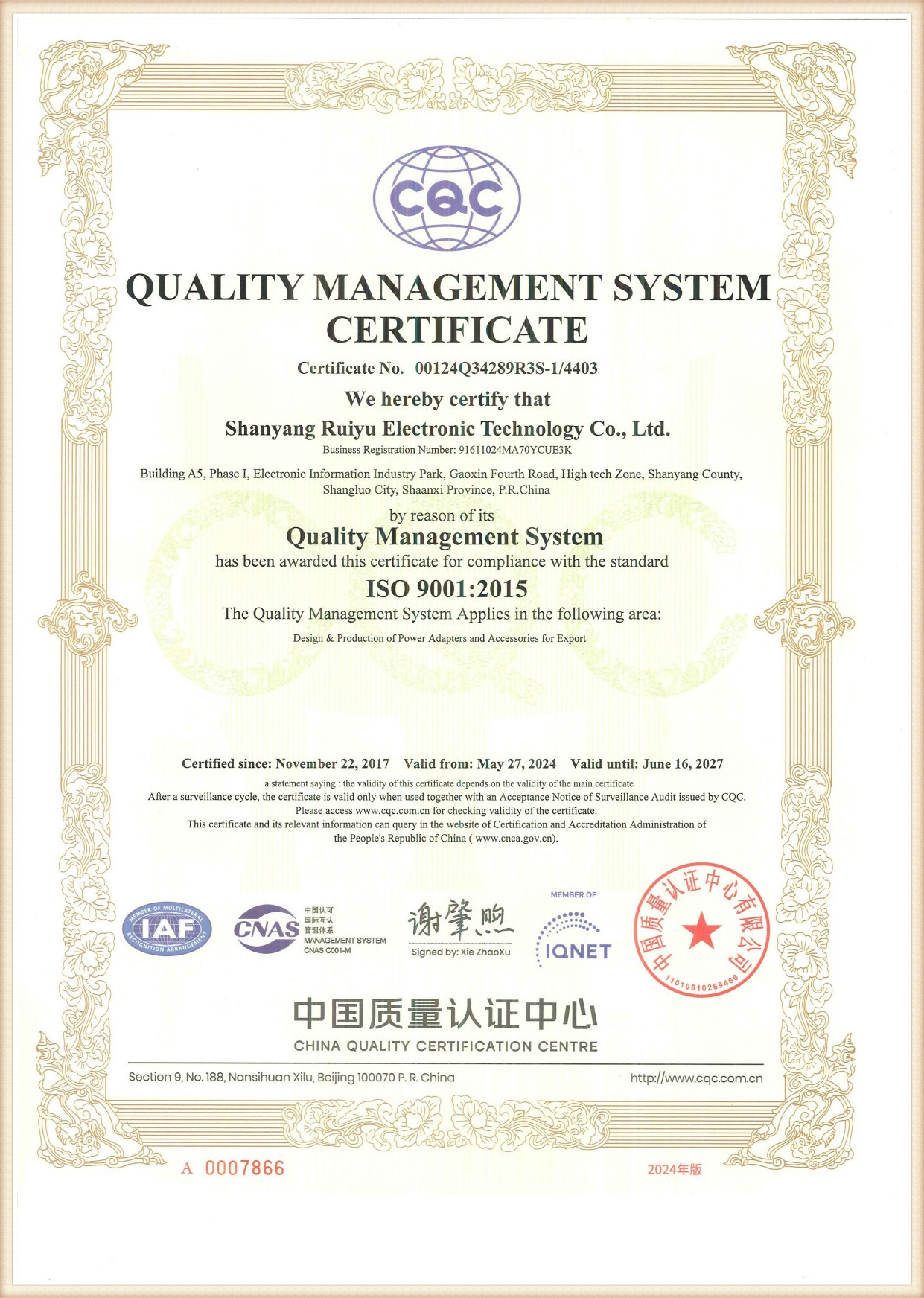
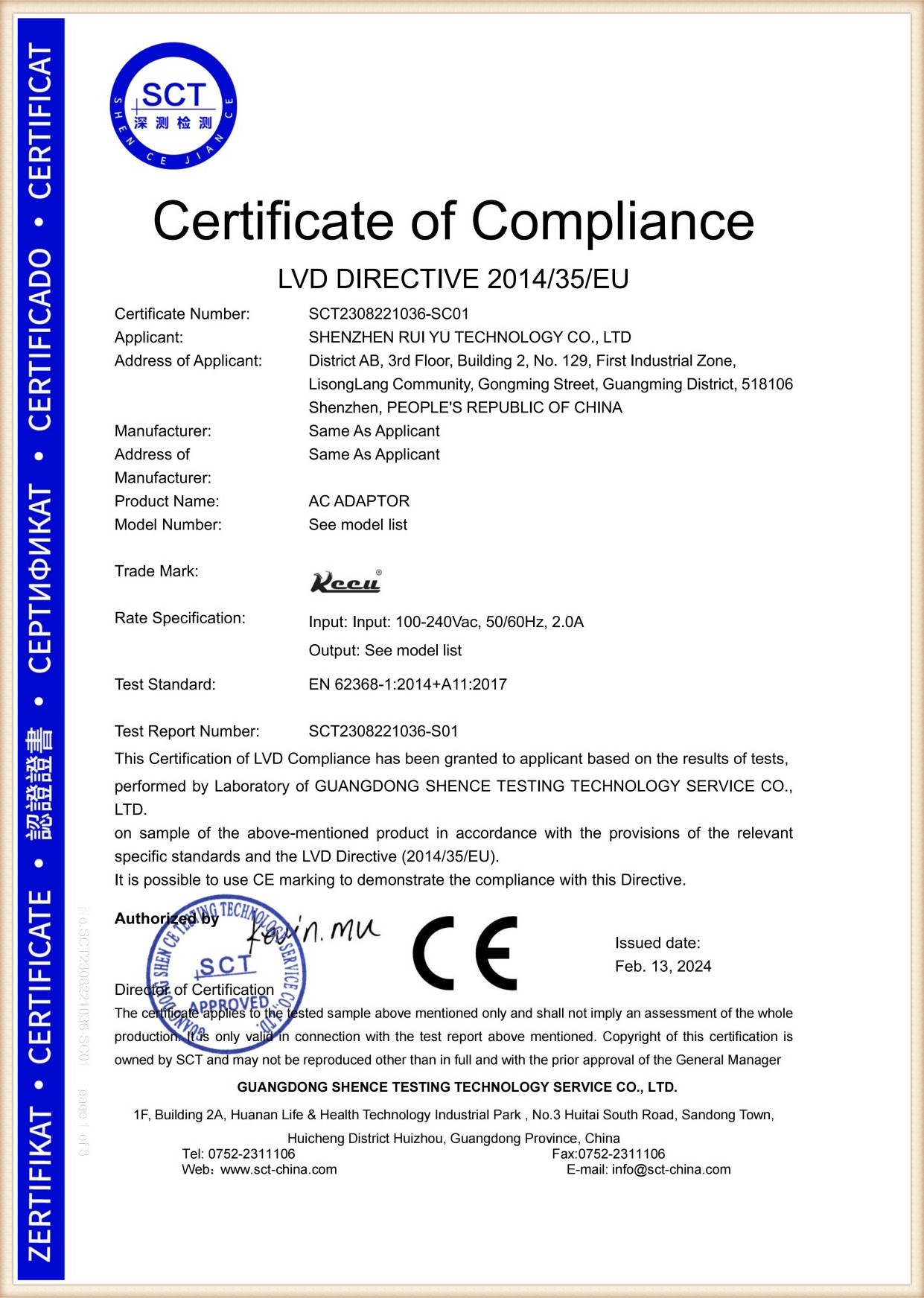
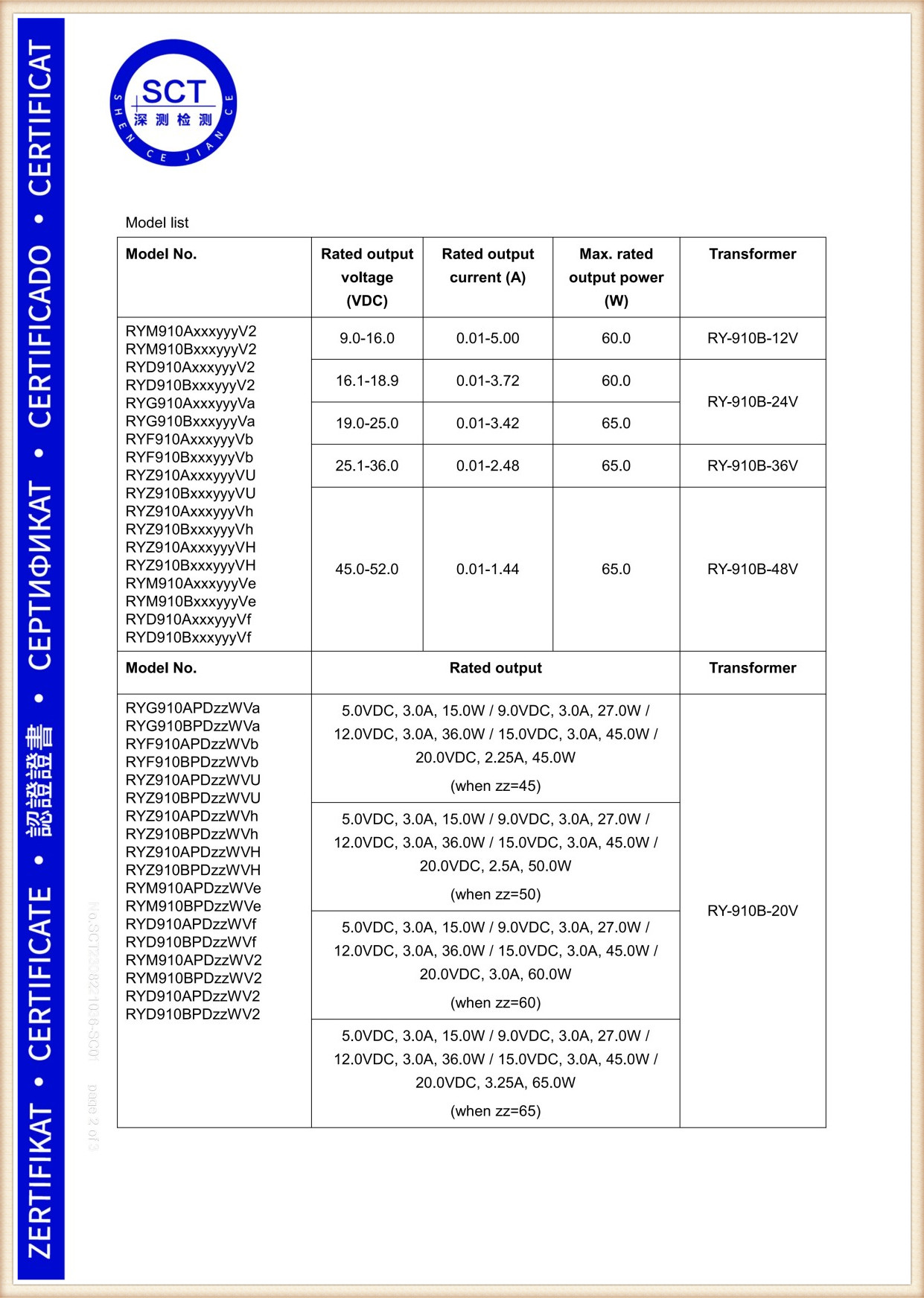
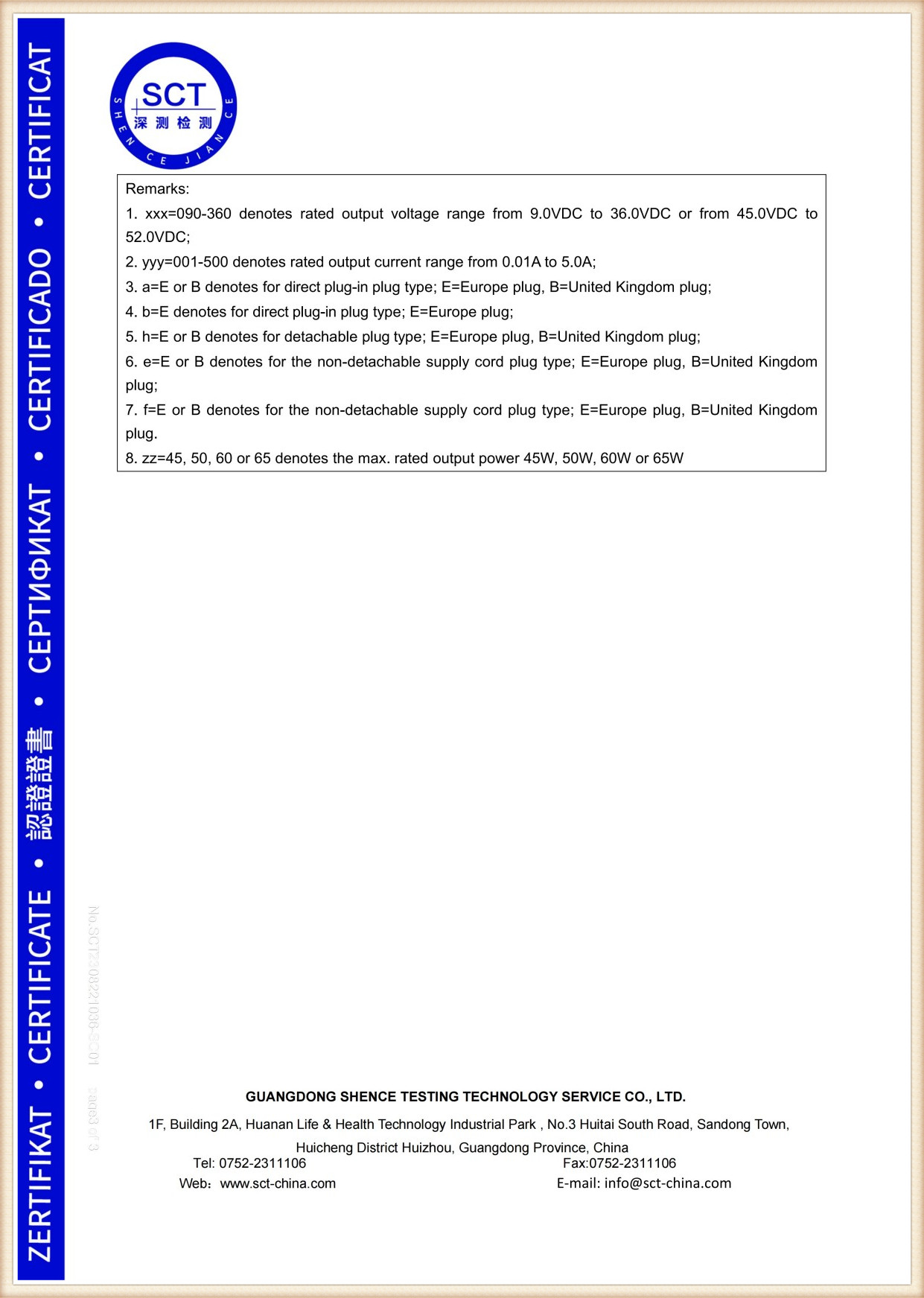
Operating out of Shenzhen's industrial core allows RUIYU Technology to offer component sourcing, production flexibility, and lead-time guarantees.
Our location in Guangming New District, Shenzhen, connects us directly with silicon providers, magnetic component manufacturers, and raw material suppliers, reducing logistics bottlenecks.
All finished adapters undergo full-load automated functional testing, high-voltage isolation (Hipot) testing, and thermal burn-in aging before packaging and shipment.
We maintain component-level batch tracking data for years, allowing quick analysis and isolation of field reports or quality anomalies.
Full support for OEM and ODM requirements, offering custom casing shapes, wire lengths, specific plug standards, and multi-protocol charging profiles.
Our typical manufacturing cycle is 15 to 20 days from design sign-off, supported by a daily capacity of 100,000 units.
Every bulk shipment includes 0.1% buffer stock to cover unexpected field returns or damage during transit.
Find technical answers to common questions about power delivery engineering, ordering procedures, and custom development options.
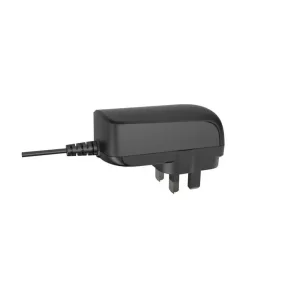
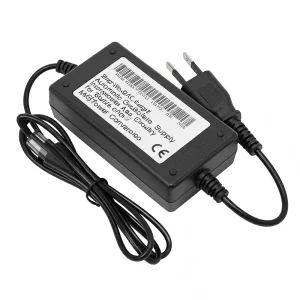
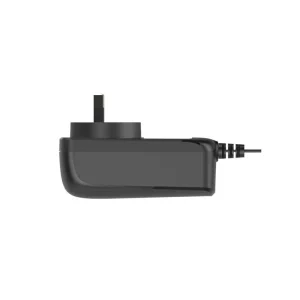
Browse our additional power units, including wall-mount chargers, desktop switching power supplies, and multi-pin travel adapters.
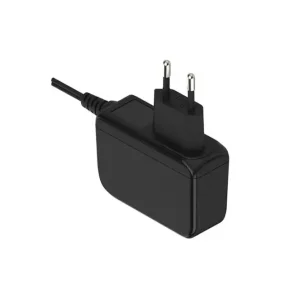
 Tech Adapter