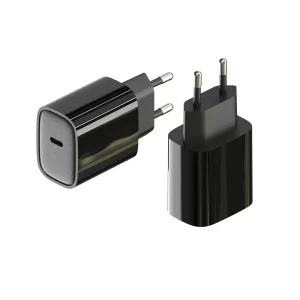
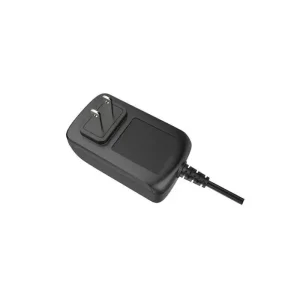
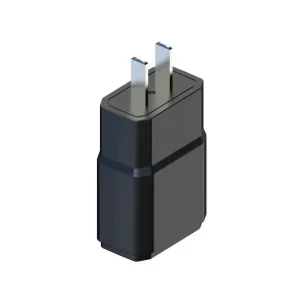
The global power adapter ecosystem is undergoing an unprecedented paradigm shift. With the European Union's mandate establishing USB Type-C as the common charging standard, alongside global pushes from major consumer electronics markets, standardizing power systems is no longer optional—it is a critical design imperative. Modern hardware architectures require adaptable, high-efficiency, and compact power delivery (PD) modules that handle varying load specifications while minimizing carbon footprints.
For global enterprise buyers, sourcing from certified manufacturing ecosystems in China represents a balance of high-throughput capability, rapid prototyping, and engineering density. This industry whitepaper acts as an analytical benchmark for evaluating Chinese suppliers on deep technical performance, compliance frameworks, and next-generation power topology.

Silicon-based components are rapidly giving way to Wide Bandgap (WBG) semiconductors like Gallium Nitride. GaN power chips run much faster, waste less energy, and generate less thermal dissipation. This enables manufacturers to compress the volumetric footprint of a 65W or 100W PD adapter by up to 50% without compromising peak safety thresholds.
The integration of the USB PD 3.1 standard raises the power threshold up to 240W (48V at 5A) over Type-C cables. This enables high-performance workstations, rugged medical devices, industrial IoT machinery, and fast-charging micromobility vehicles to shift from bulky proprietary bricks to unified, standardized PD adapters.
Regulatory frameworks, including Energy Star, EU ErP Eco-design standards, and DoE Level VI, mandate strict active efficiency targets and low standby power draw. Advanced PWM controllers now achieve standby power ratings of less than 75mW, drastically mitigating "vampire draw" across consumer and industrial grids.
Procurement decisions for high-wattage power supplies must transcend price-per-watt comparisons. Hardware engineering managers must align input metrics against operational longevity, thermal margins, and environmental tolerances. The matrix below outlines vital integration parameters:
| Application Profile | Power Range | Dynamic PD Negotiation | Certifications Required | Target Efficiency (Full Load) |
|---|---|---|---|---|
| IoT Sensors & Smart Home Controllers | 5W - 24W | Fixed Vout (5V, 9V, 12V, 24V) | UL, CE, CCC, PSE, KC | ≥ 85% (DoE Level VI) |
| Medical Devices (IEC 60601-1) | 18W - 120W | Precise PPS (Programmable Power Supply) | KA, CE, FCC, Medical 2xMOPP | ≥ 88% to 92% |
| Consumer Electronics & Laptops | 30W - 140W | Standard PD 3.0 / PD 3.1 (5V to 28V) | ETL, CE, PSE, CCC, SAA, KC | ≥ 90% (GaN-based design) |
| High-Power Workstations & Industrial IoT | 150W - 360W | EPR 28V/36V/48V Dynamic Allocations | UL, TUV, GS, CE, FCC, CCC | ≥ 92% to 95% (LLC Resonant Converter) |
Established in August 2010, Shenzhen FuYun (RUIYU) Technology Co., LTD. has engineered a position as an industry-leading OEM/ODM manufacturer specializing in advanced power adapters, switching chargers, and specialized high-pressure core modules. Located at No.129 of the first industrial zone, Lisonglang Community, Gongming Town, Guangming New District, Shenzhen, Guangdong, China, our facility stands as a hub of manufacturing excellence.
With an operational footprint exceeding 50,000 m², our factory houses over 800 skilled workers and a dedicated management staff of 30+ specialists. We operate 48 highly automated production lines equipped with reliability test chambers and precision testing equipment, allowing us to maintain a stable daily production capacity of 100,000 pieces.
This scale allows us to maintain a 60% market share across highly regulated consumer sectors in the USA and European Union, while expanding our presence in domestic China, Japan, and South Korea.
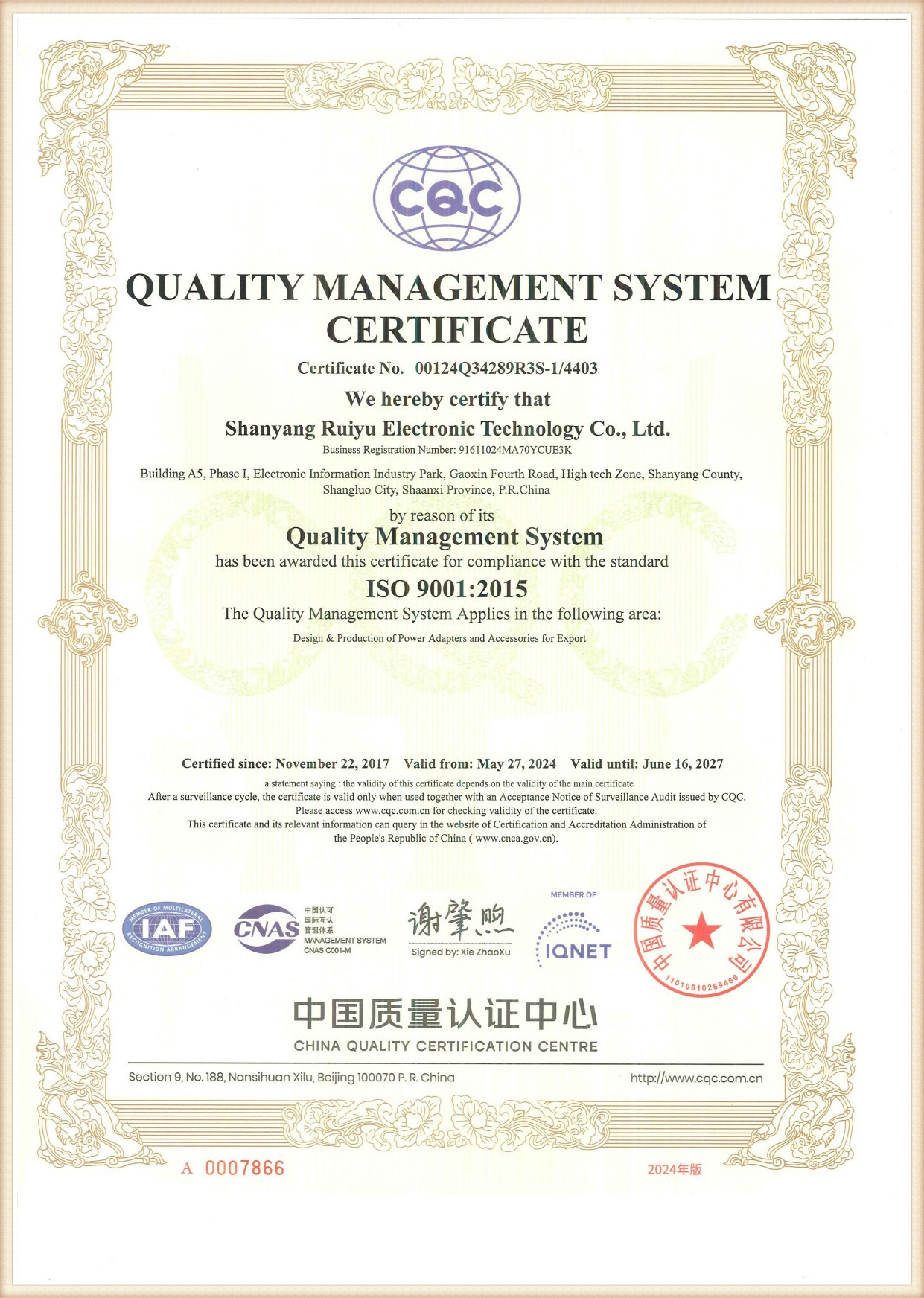
Quality is the cornerstone of our operations at RUIYU Technology. We implement standardized Standard Operating Procedures (SOPs) at every junction of our supply chain. With a dedicated QA/QC division comprising 30 experienced quality inspectors, every batch undergoes multi-stage inspections, including inbound material testing (IQC), in-process testing (IPQC), and final quality assurance (FQA).
To maintain long-term scalability, our R&D engineering divisions design future power architectures around four main technical pillars:
Integrating Programmable Power Supply (PPS) dynamic voltage regulation steps. This enables connected devices to command small micro-adjustments in output voltage (in 20mV increments) and current (50mA increments), reducing device-side charging losses and keeping thermals low.
Smart power sharing algorithms route and scale wattage dynamically across multi-port USB-C and USB-A adapters. When dual ports are occupied, the internal microcontroller negotiates power limits in real-time, preventing circuit overloads.
Implementing Active Clamp Flyback (ACF) and LLC resonant converters. Our engineering platforms achieve high-efficiency switching frequencies up to 300kHz, allowing for smaller passive components and compact transformer geometries.
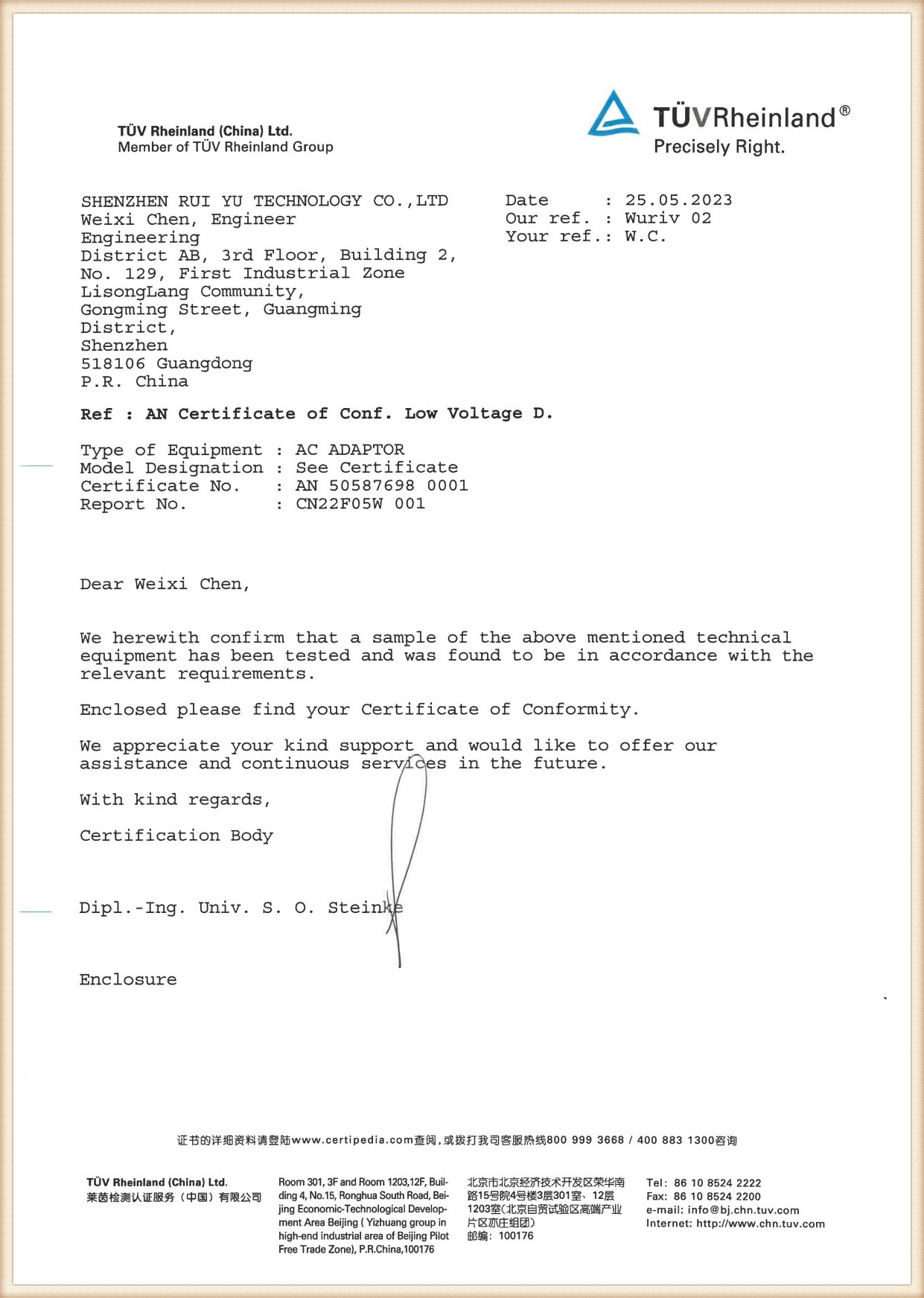
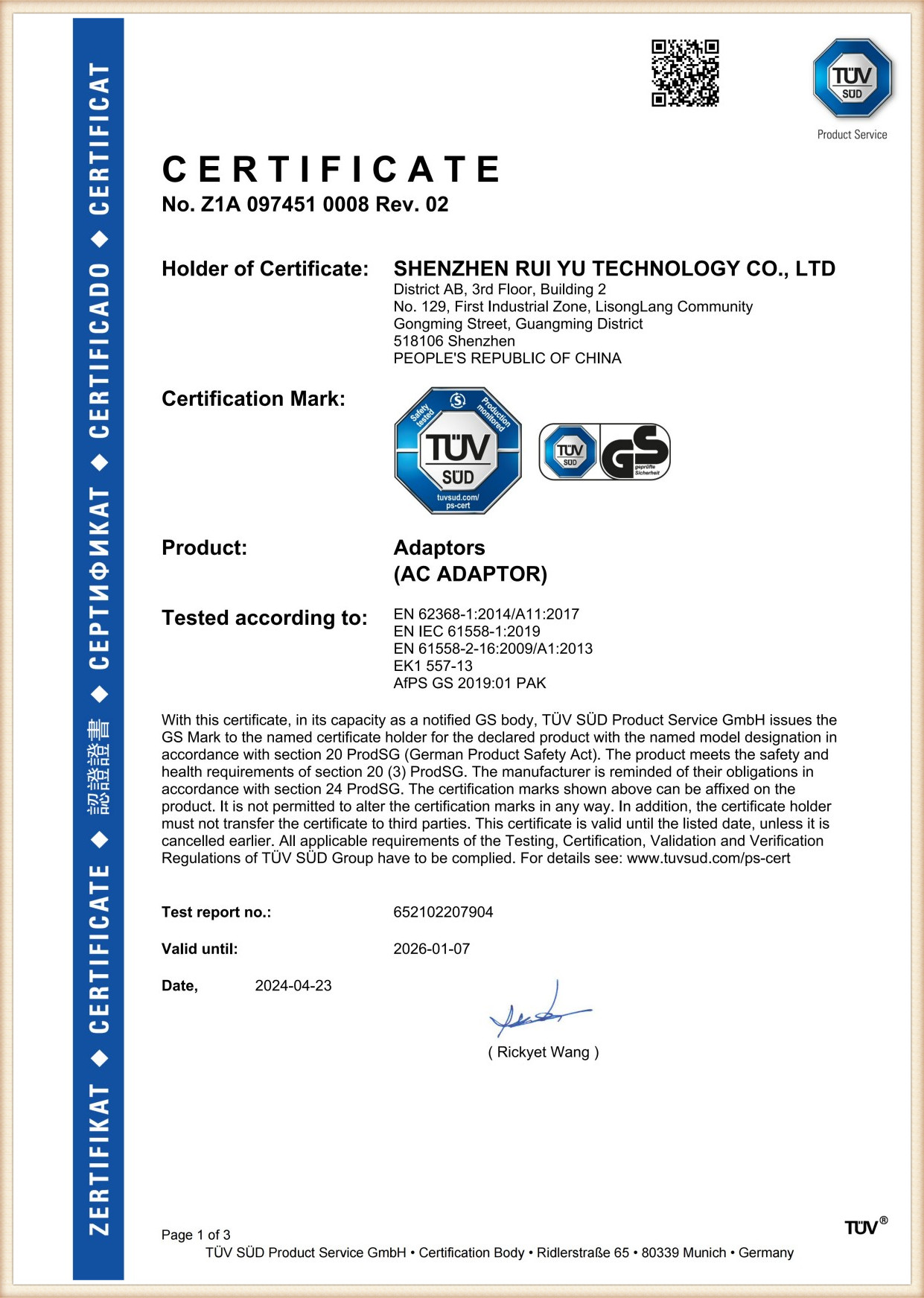
Exporting to North America, Western Europe, Japan, and Oceania demands rigorous safety standard compliance. Shenzhen FuYun (RUIYU) Technology co., LTD. has established safety compliance across multiple markets, providing peace of mind for global distributors.
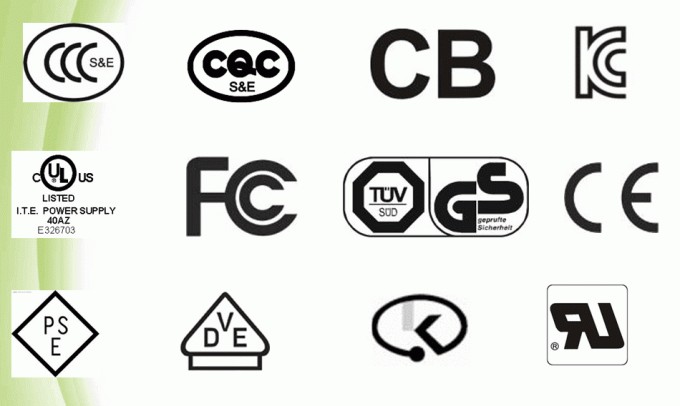
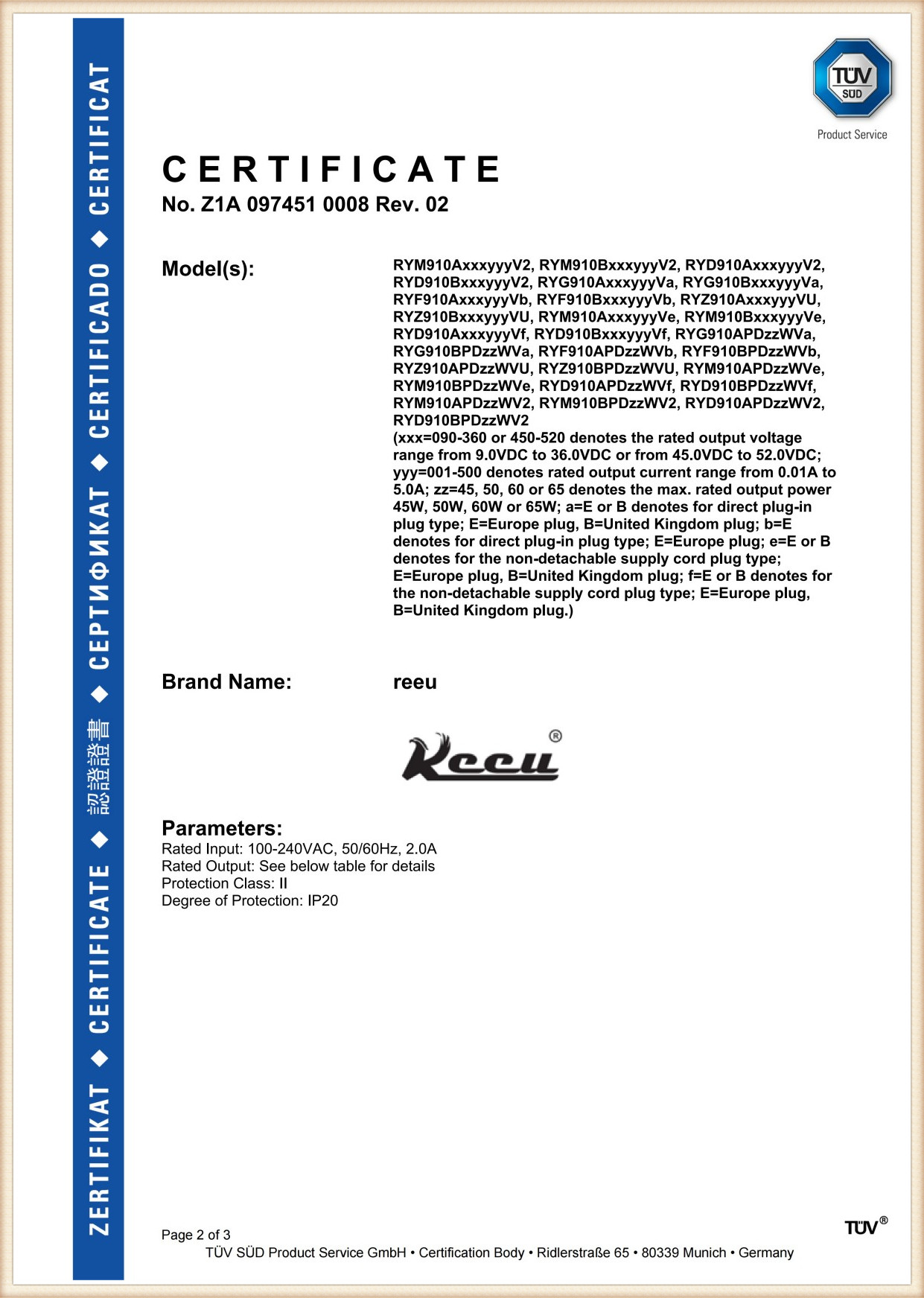
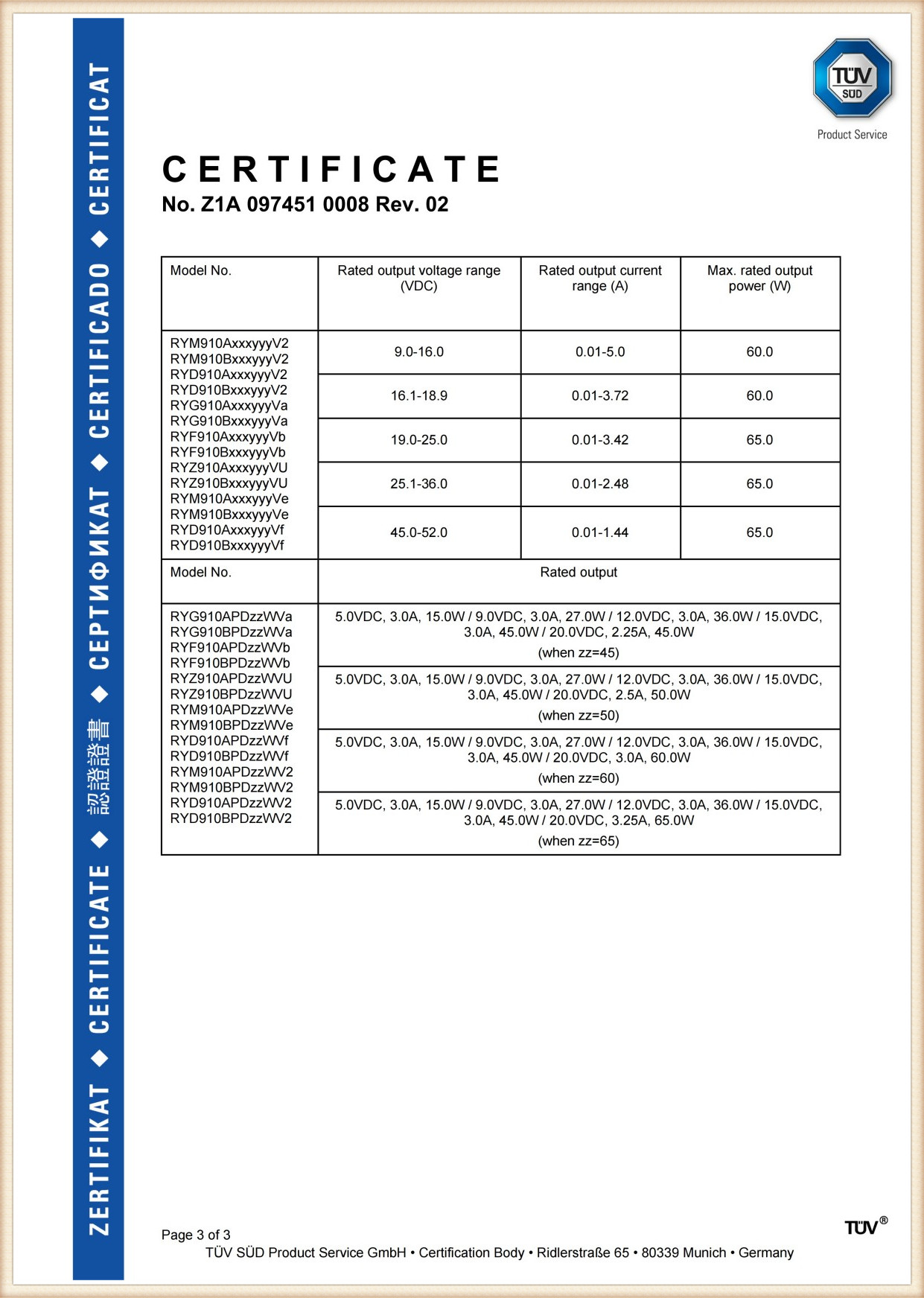
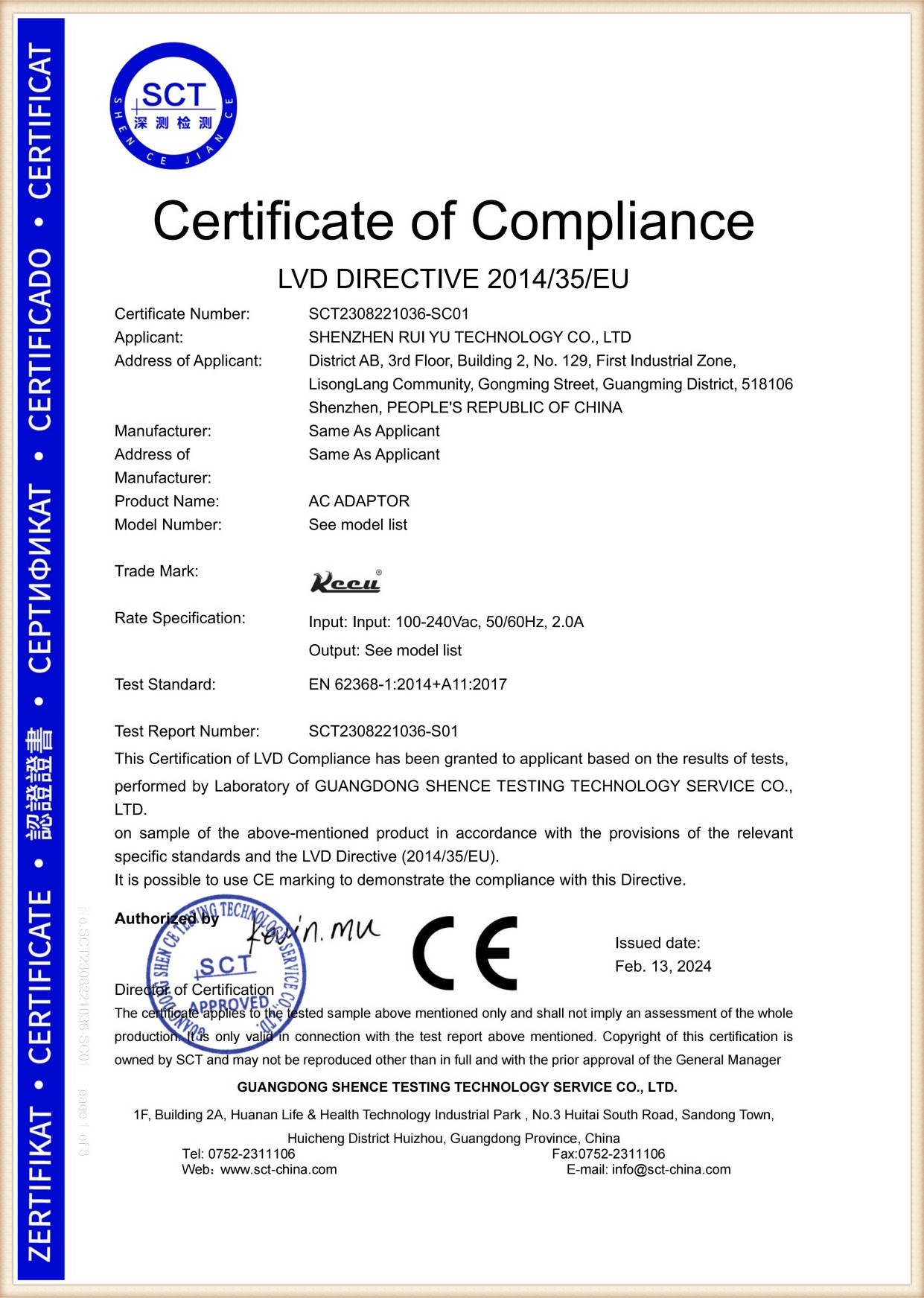
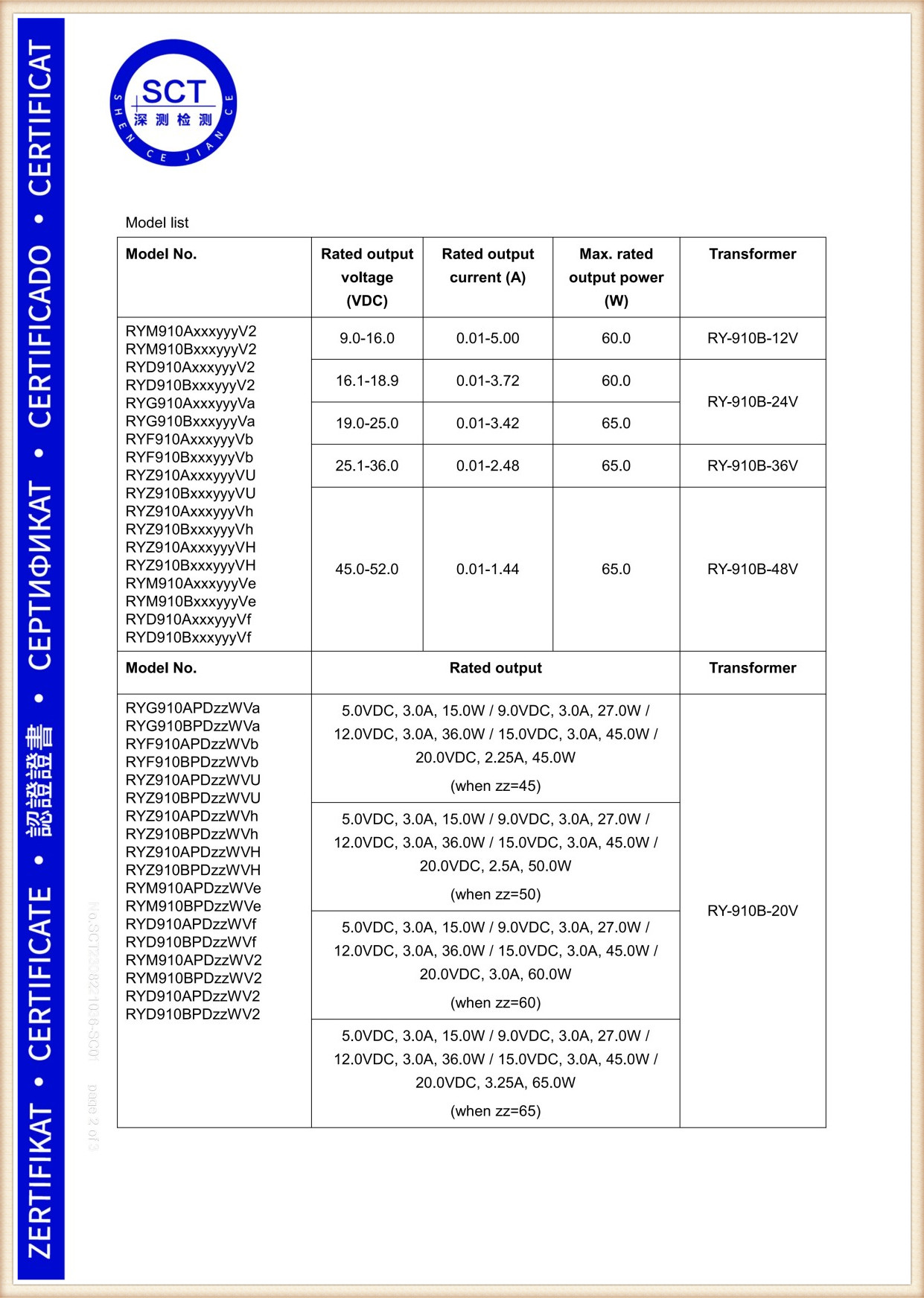
Our product designs meet a wide range of national and international standards. This includes ETL, UL, CUL, TUV, GS, CE, FCC, CCC, PSE, KC, SAA, and KA medical and commercial certifications. By partnering with us, you gain access to pre-certified designs, significantly reducing your project's certification timelines and costs.
To support global product launches and keep supply lines moving smoothly, we provide customized support packages:
 Tech Adapter