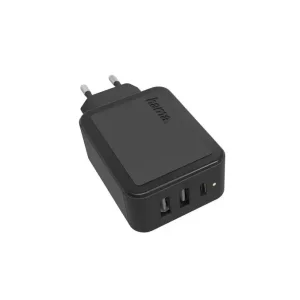
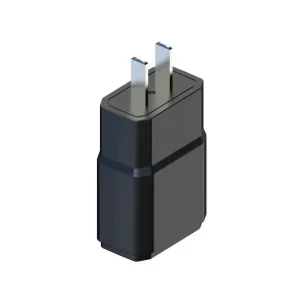
Explore our premium collection of globally certified charging units designed for mobile versatility, travel convenience, and high-wattage device requirements.
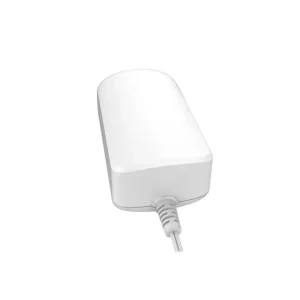
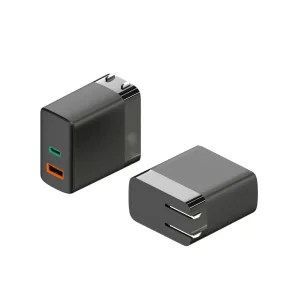
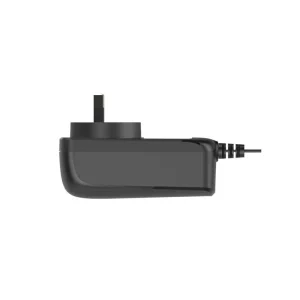
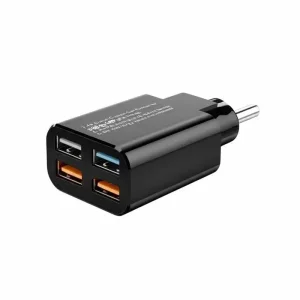
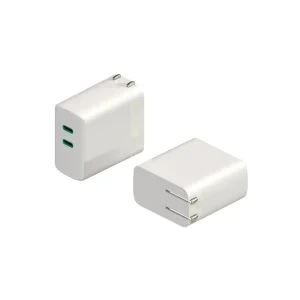
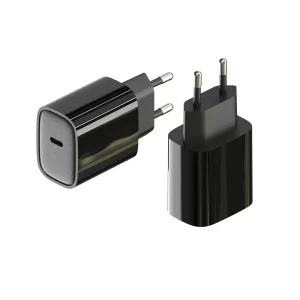
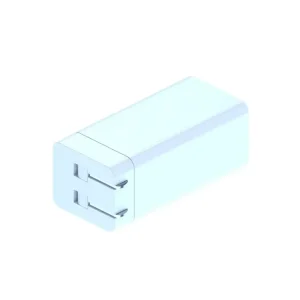
Established in August 2010, Shenzhen FuYun (RUIYU) Technology Co., Ltd. is a comprehensive industry leader specializing in the R&D, high-capacity production, global sales, and after-sales service of premium power adapters, fast-charging car chargers, and high-pressure core parts for professional hairdressing instruments.
Headquartered at No.129 of the First Industrial Zone, Lisonglang Community, Gongming Town, Guangming New District, Shenzhen, Guangdong, China, RUIYU Technology operates as a highly specialized OEM/ODM manufacturer with a deeply integrated supply chain. Our state-of-the-art facility enables us to maintain absolute quality control over every unit shipped worldwide.
By constantly optimizing our internal management mechanisms, we have successfully expanded our footprints across crucial global hubs, with the United States and the European Union comprising 60% of our market share, alongside a rapidly growing footprint across China, Japan, and South Korea.

Decoding the shifting paradigms of in-vehicle power delivery as portable electronics transition to higher-power, multi-protocol systems.
In-vehicle charging is no longer limited to low-voltage 5W output. With laptops, tablets, high-capacity power banks, and modern smartphones supporting USB Power Delivery (PD 3.0/3.1) and PPS (Programmable Power Supply), the demands on vehicle power adapters have amplified. Commercial fleets, logistic providers, and consumer automotive designers are transitioning entirely to Type-C interfaces, which offer variable voltages (typically 5V, 9V, 12V, 15V, and 20V) and currents up to 5A to deliver up to 100W+ from a DC cigarette lighter outlet.
In-car charging environments suffer from severe spatial limitations and enclosed thermal profiles. By using next-generation GaN semiconductors instead of traditional silicon, car chargers achieve higher power density, dramatically lower operating temperatures, and compact form factors. This transition ensures that dual-port adapters can output high wattages concurrently without triggering thermal shutdowns or risking internal fire hazards inside vehicle dashboard compartments.
Unlike steady home AC networks, automotive electrical systems are notorious for unstable DC current flow. Starting a vehicle engine triggers severe voltage dips (cold cranking), while high-inductance alternator fields can cause massive voltage spikes (load dump transients). Industrial-grade car charger designs require robust buck-boost converter topologies to step down or step up voltage seamlessly, protecting connected downstream consumer devices from terminal destruction.
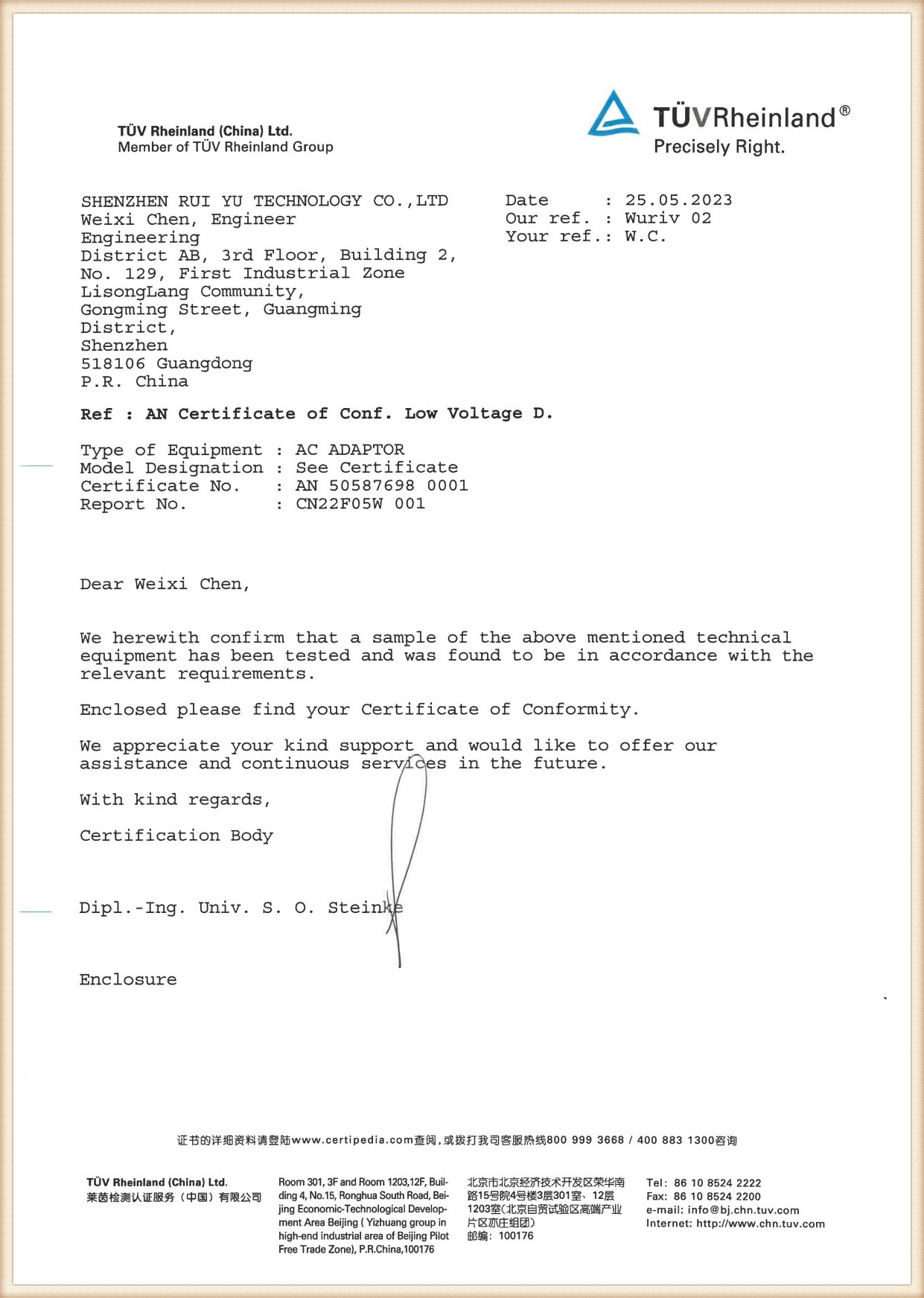
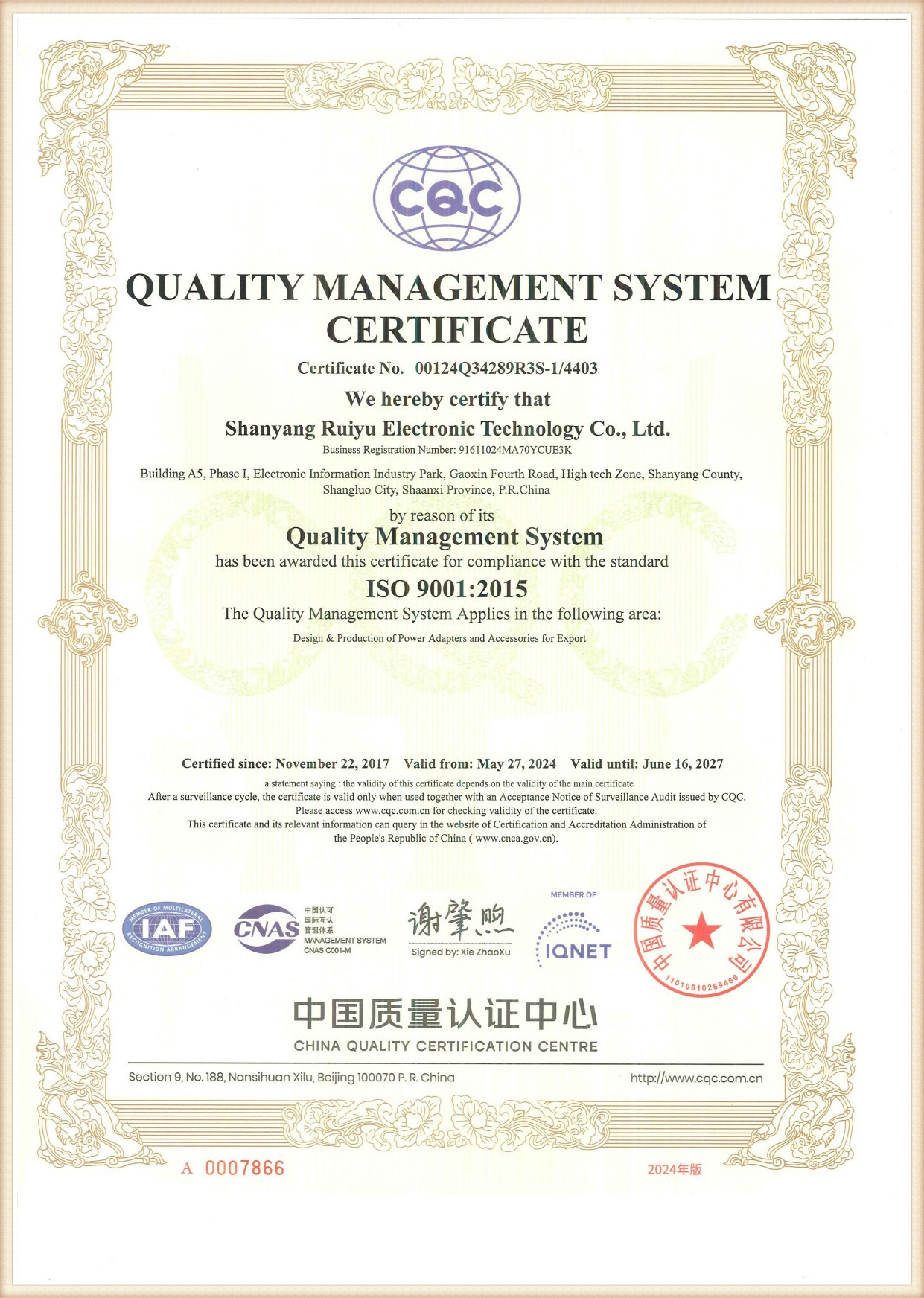
At Shenzhen FuYun (RUIYU) Technology, we leverage over 48 automated and semi-automated production lines spanning 50,000 square meters of facility space to deliver up to 100,000 pieces daily. Standardizing operations under ISO 9001, we ensure absolute consistency for custom wholesale production batches.
Our dedicated quality assurance ecosystem comprises 30 professional QA/QC engineers monitoring every segment of the fabrication pipeline, from Incoming Quality Control (IQC) of raw circuit boards and high-frequency transformer coils to In-Process Quality Control (IPQC) and Final Quality Control (FQC).
Our lead time is highly optimized to deliver shipments within 15 to 20 days after order confirmation. By maintaining thorough traceability recordings for years, our clients are guaranteed complete operational visibility for every unit produced.
A deep breakdown of the protection features engineered into every RUIYU car charger and power adapter.
| Protection Type | Technical Mechanism | Failure Mode Prevented | Operational Status |
|---|---|---|---|
| Over-Current Protection (OCP) | Monitors current draw via low-resistance shunt resistors; triggers automatic shutdown if load threshold is breached. | Short-circuiting, downstream controller breakdown, and terminal device overheating. | Standard on all outputs |
| Over-Voltage Protection (OVP) | Incorporates high-speed zener diodes and varistors to clamp output voltages above set levels (e.g., 24V max input). | High-voltage automotive alternator spikes and load dump transients. | Active continuously |
| Under-Voltage Lockout (UVLO) | Disables converter switches when input drops below a designated threshold (e.g., 10.5V for 12V automotive systems). | Draining of the vehicle starter battery and erratic low-voltage output behavior. | Automatic reset |
| Over-Temperature Protection (OTP) | Embedded thermal sensors on internal PCBA monitor critical junction temperatures; limits wattage output if exceeded. | Thermal runaway, chassis melt down, or operational hazards inside high-ambient cockpits. | Smart thermal throttling |
| EMI/EMC Shielding | High-frequency differential-mode filters, shielded inductors, and optimized PCB track layouts. | Interference with automotive FM/DAB radio receptors, GPS navigation systems, and ADAS telemetry. | CISPR 25 & FCC Class B compliant |
Navigating complex international certifications to ensure frictionless import, customs clearance, and local compliance.
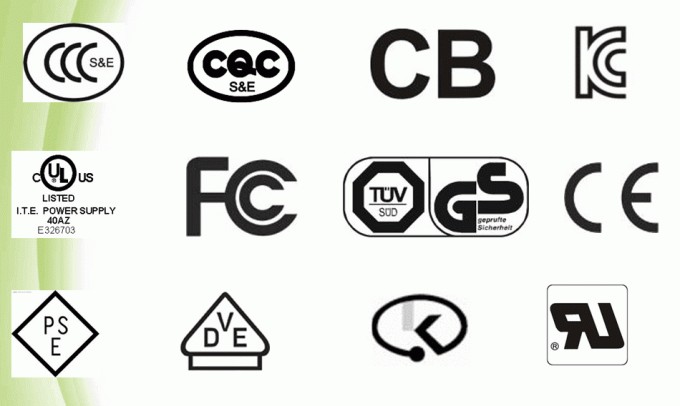
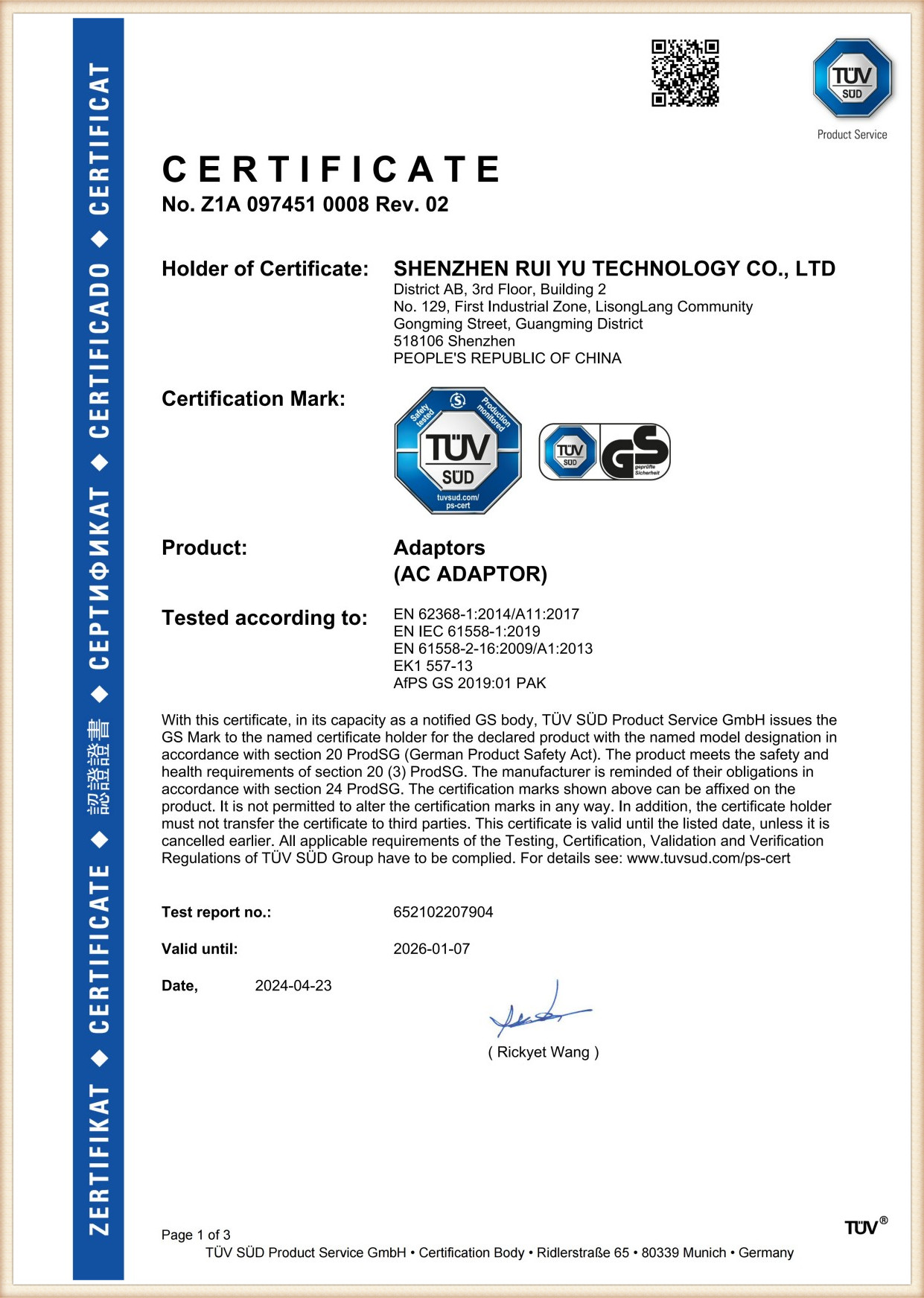
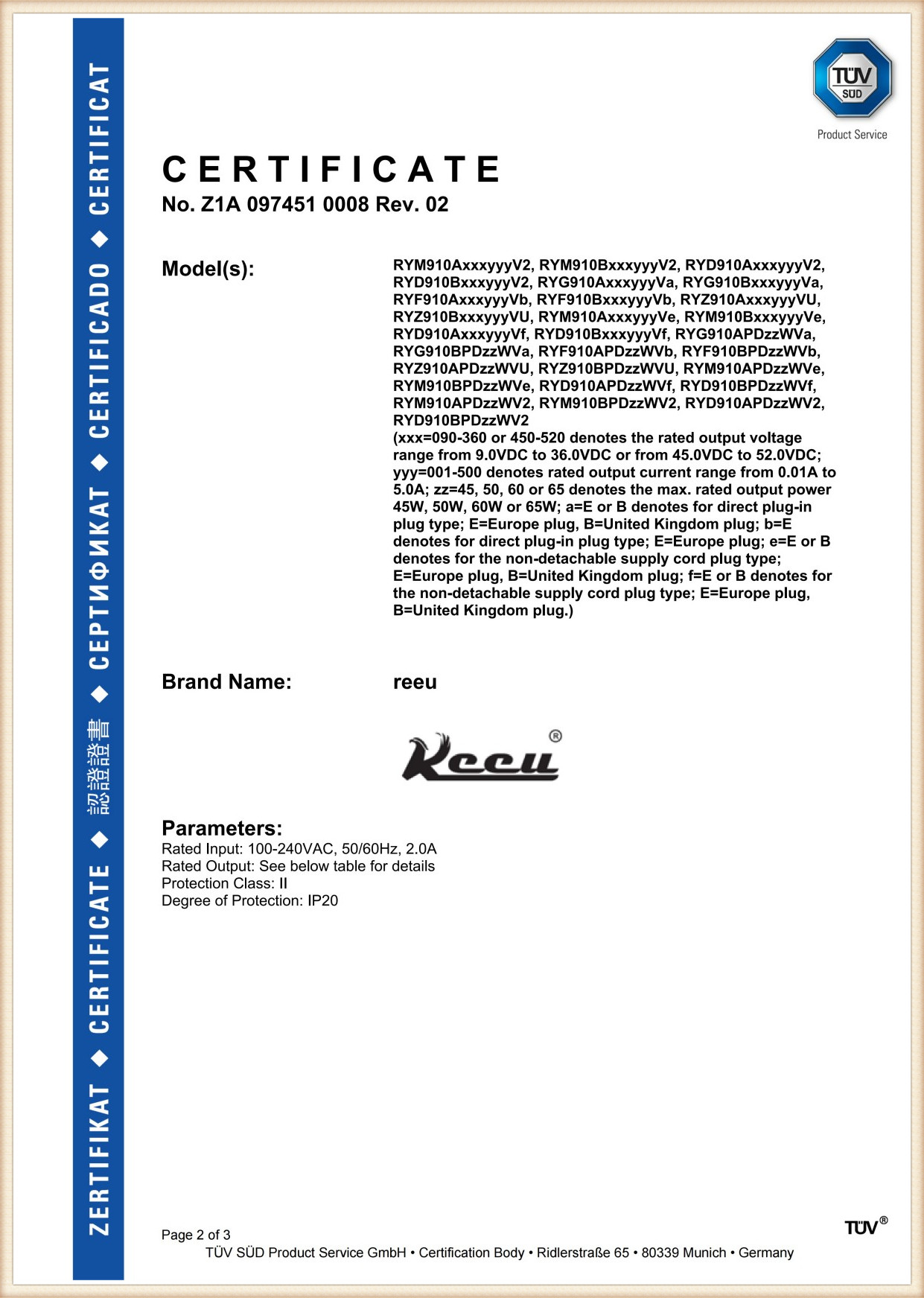
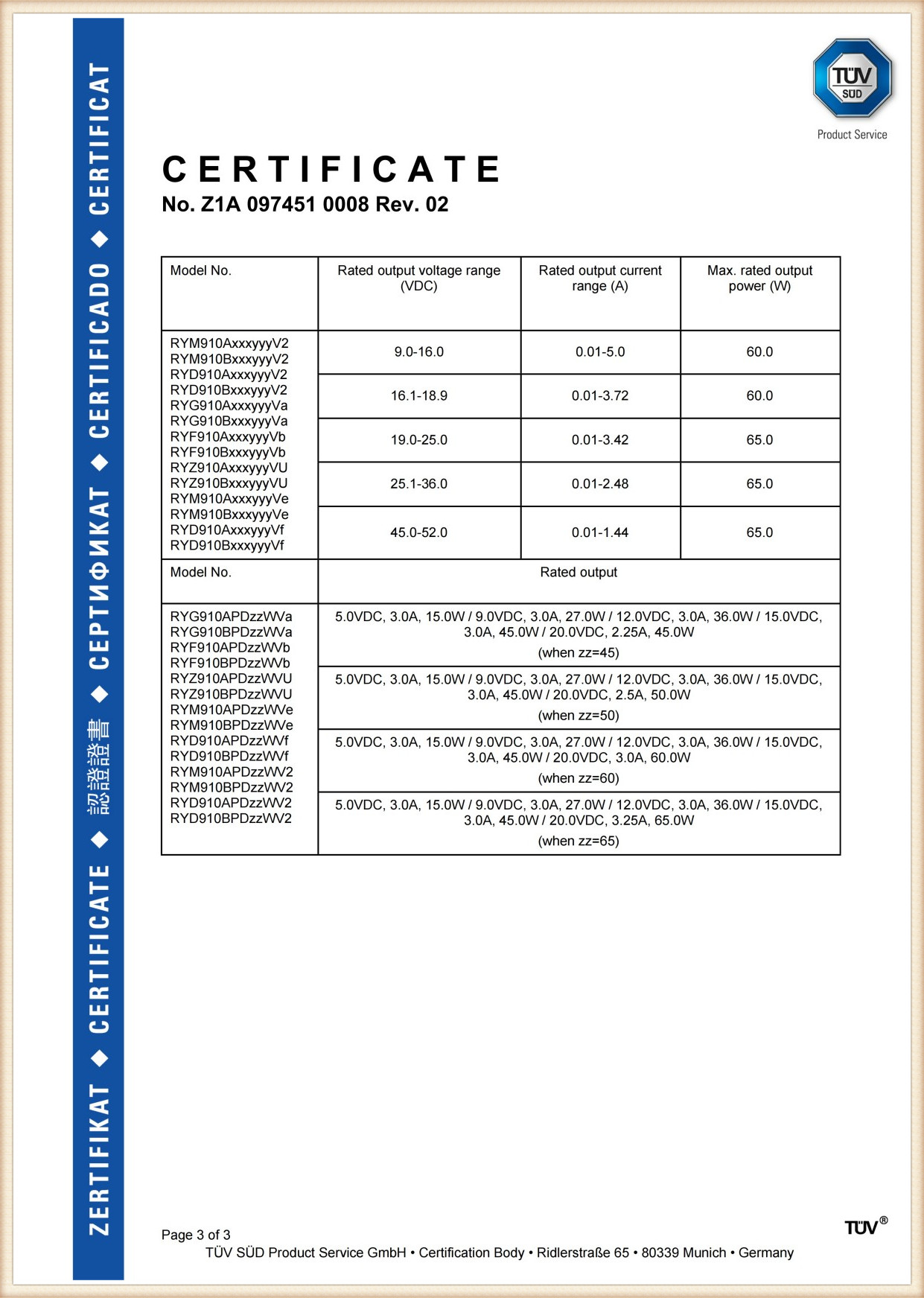
We provide full compliance paths for ETL and UL 2089 (Safety Standard for Vehicle Battery Adapters) as well as FCC Part 15 Class B testing. This guarantees that chargers do not emit high radio-frequency interference and are structurally safe under high-temperature automotive conditions, making them ideal for the US and Canadian retail markets.
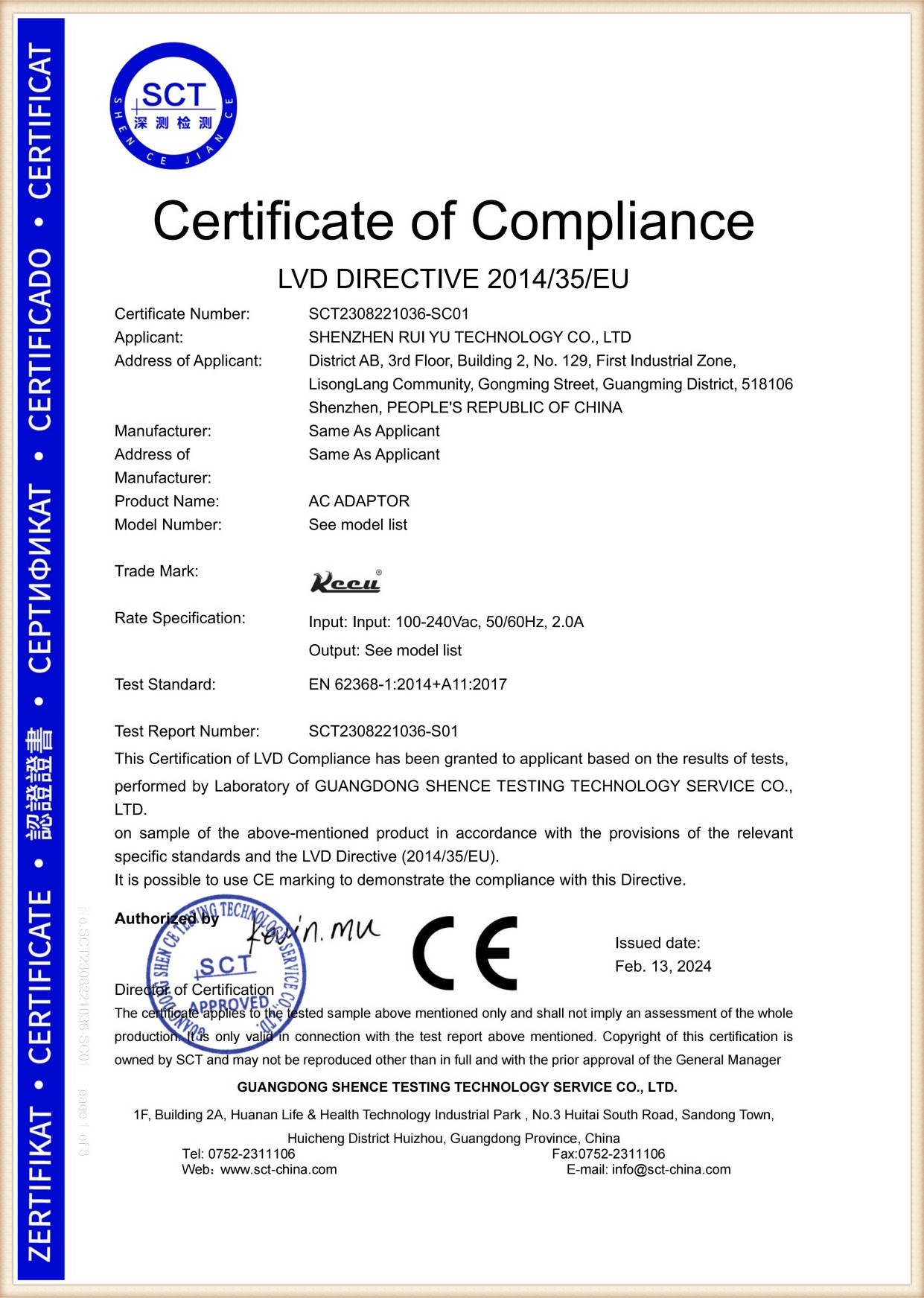
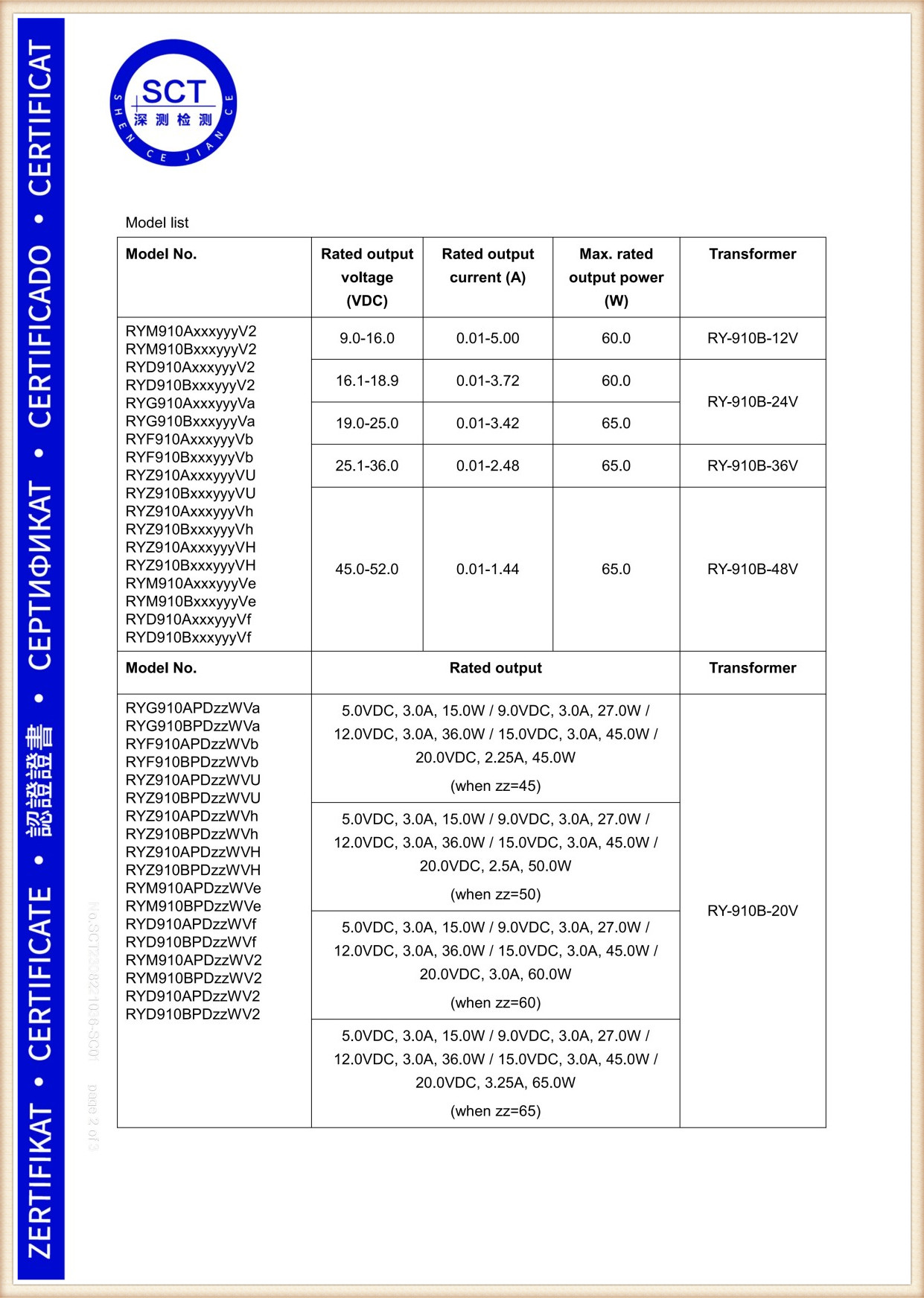
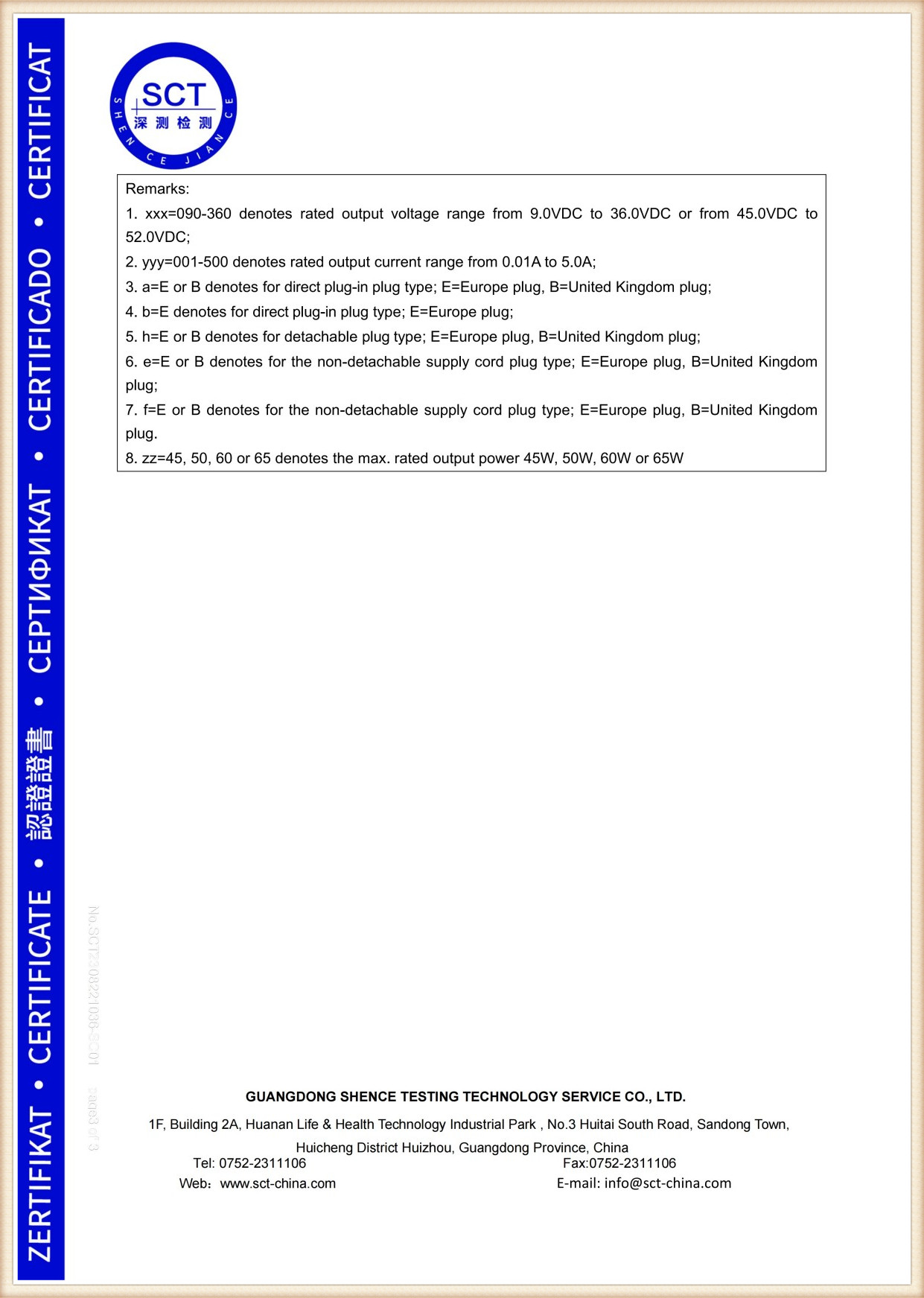
Our solutions adhere to the CE directive, RoHS Directive 2011/65/EU, and REACH standards, accompanied by the E-Mark certificate (ECE R10) required for components permanently installed in motor vehicles. This safeguards distributors against customs delays and legal liabilities within the single European market.
To support high-growth markets in Asia, we maintain compliance matrices for PSE (Japan Circular and Diamond Approvals), KC (Korea Certification for Electromagnetic Compatibility and Safety), SAA (Australia/New Zealand safety requirements), and CCC (China Compulsory Certification).
At Shenzhen FuYun (RUIYU) Technology, we recognize that branding, custom enclosures, unique port configurations, and localized packaging are key to securing a competitive edge in global markets. We are fully equipped to address complex specifications with agility:
An overview of upcoming technological advancements in vehicle power management systems designed to meet the demands of modern cockpits.
By shifting output capabilities from 100W up to 140W and 240W (Extended Power Range, or EPR), next-generation vehicle power adapters will easily support gaming laptops and power-hungry mobile workstations inside passenger vehicles.
Our upcoming product lines feature integrated MCU firmware that analyzes connected load profiles in real-time. It balances current dynamically across ports to prevent charger disconnects or sudden charge drops when secondary devices are plugged in.
In line with global ESG directives, our R&D department is designing recyclable plastics and PCR (Post-Consumer Recycled) polycarbonate housings, allowing distributors to meet municipal green procurement rules.
Get answers to the most common queries from industrial buyers, distributors, and logistics partners regarding vehicle power hardware.
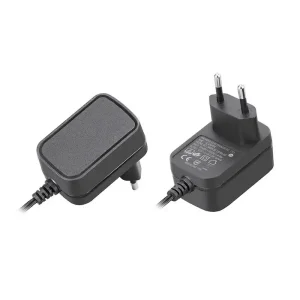
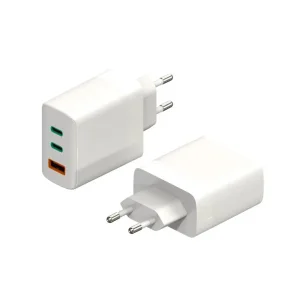
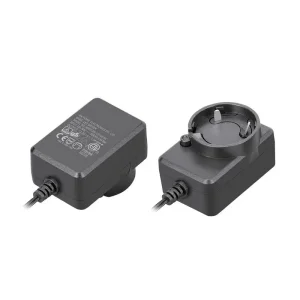
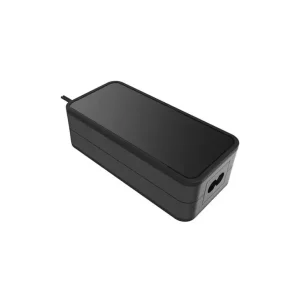
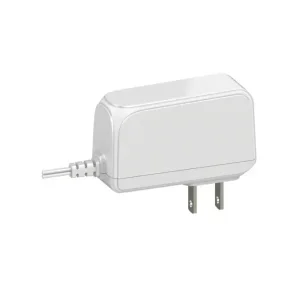
High-durability wall adapters, desktop multi-chargers, and customized universal power supplies built to meet rigorous global standards.
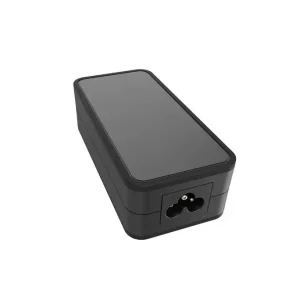
 Tech Adapter