Why Choose a 9 Volt Power Adapter for Your Business?

Time:2026-09-20 Author:Amelia
0%

Why Choose a 9 Volt Power Adapter for Your Business?

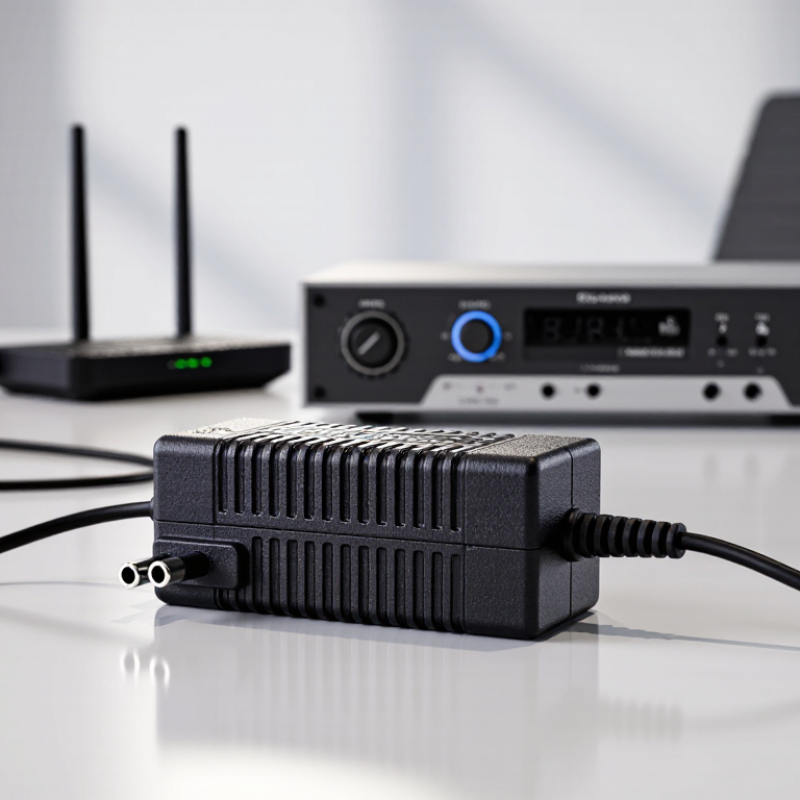
Reliable power supports nearly every connected device in a modern workplace. A 9 Volt Power Adapter can serve routers, security panels, audio equipment, testing tools, and specialized office electronics. Its steady output helps reduce interruptions during busy operating hours. That matters when a brief shutdown can interrupt a customer call or stop a monitoring system.

Choosing the right adapter requires more than matching voltage. Businesses should verify polarity, connector size, current capacity, insulation, and device compatibility. I have seen equipment fail because a connector fitted physically but delivered the wrong polarity. Small details matter. A certified adapter also offers stronger quality assurance and clearer safety information. Buyers should review manufacturer specifications, warranty terms, and independent testing where available. Cheap options may appear attractive, but inconsistent voltage can create hidden repair costs.

A dependable power supply can improve daily confidence. It can also simplify inventory management when several devices use the same approved standard. However, one adapter does not suit every business application. That assumption needs questioning. High-demand equipment may require a different rating or a dedicated power solution. Before purchasing, record each device’s label, measure cable length, and confirm operating conditions. A careful decision protects equipment and supports more predictable business performance. Reliable power is not dramatic. It is simply noticed when missing.
Why Choose a 9 Volt Power Adapter for Your Business?

Understanding 9 Volt Power Adapter Specifications

Why Choose a 9 Volt Power Adapter for Your Business?

Understanding 9 Volt Power Adapter Specifications

A 9 volt adapter can support compact equipment, control systems, and office electronics. The voltage must match the device label exactly. Even a small mismatch may cause unstable operation or permanent damage. Check whether the adapter provides direct current or alternating current. Most electronic equipment needs regulated direct current for steady performance. An unregulated adapter may produce higher voltage when the load is light. That can create unexpected heat or shutdowns. Current rating matters too. If a device requires 600 mA, choose an adapter rated at 600 mA or higher. Extra capacity is useful. It does not force excess current into the device.

Connector size and polarity require equal attention. The plug may fit physically but still use the wrong polarity. Center-positive and center-negative designs are not interchangeable. Measure the connector when the specification is unclear. Input range also matters for offices with changing supply conditions. Look for clear information about efficiency, insulation, overheating protection, and relevant safety certification. During bench testing, I check voltage under load and touch the enclosure after several hours. Warm is normal; excessive heat deserves investigation. I once trusted a matching plug without checking polarity. That shortcut was poor practice. For business use, record the adapter’s model data, installation date, and test results. Keep documentation accessible.

Matching Voltage, Current, and Connector Requirements

Why Choose a 9 Volt Power Adapter for Your Business?

Matching Voltage, Current, and Connector Requirements

A 9-volt adapter can support equipment used in offices, workshops, retail counters, and service areas. The voltage must match the device label exactly. A higher voltage may damage internal circuits. A lower voltage can cause unstable operation or repeated restarts.

Current requirements need equal attention. An adapter rated for 1 amp can safely power a device needing 500 milliamps. The reverse may overheat the adapter. More capacity is acceptable when the voltage remains correct. Never guess. I check the equipment label and measure the output with a multimeter when specifications seem unclear. A regulated adapter also helps maintain steady performance during long operating hours.

The connector must fit physically and electrically. Check the barrel diameter, inner pin size, connector length, and polarity symbol. A plug can look suitable while failing to make reliable contact. Loose connections may create flickering screens or intermittent shutdowns. My own early assumption was that matching voltage was enough. It was not. I once overlooked polarity and had to replace the connector before testing continued. For business equipment, record the adapter specifications beside each device. That small habit reduces installation mistakes and makes future replacement easier. Unclear documentation still deserves a second check.

Why Choose a 9 Volt Power Adapter for Your Business? - Matching Voltage, Current, and Connector Requirements

Business Use Case Required Voltage Typical Current Requirement Recommended Adapter Rating Maximum Output Power Typical Connector Polarity Check
Compact control equipment 9 V DC 100–300 mA 9 V DC, 0.5 A or higher 4.5 W Coaxial barrel plug; size must match the device Usually center-positive, but verify the device label
Networking or communication accessories 9 V DC 300–800 mA 9 V DC, 1 A or higher 9 W Coaxial barrel plug or screw-terminal input Confirm positive and negative terminals before connection
Industrial sensors and small controllers 9 V DC nominal 500 mA–1.2 A 9 V DC, 1.5 A or higher 13.5 W Barrel connector, terminal block, or locking DC plug Polarity and wiring must follow the equipment documentation
Small audio and signal-processing equipment 9 V DC 50–500 mA 9 V DC, 0.5–1 A 9 W maximum at 1 A Commonly a coaxial barrel plug Center-positive and center-negative versions both exist
High-load compact equipment 9 V DC 1–2 A 9 V DC, 2 A or higher 18 W Barrel connector or locking DC connector Check the polarity symbol and connector pinout

9 Volt Adapter Selection Checklist

Verification Dimension Correct Requirement Business Risk if Mismatched Acceptance Guideline
Output voltage Exactly 9 V DC unless the equipment documentation states an allowable range Overvoltage may damage components; undervoltage may cause resets or unreliable operation Match the rated voltage and confirm the required tolerance
Output current Adapter current rating equal to or greater than the equipment requirement Insufficient current can cause voltage drop, overheating, or shutdown Use a safety margin where the load is continuous or has startup surges
Connector dimensions Plug outer diameter, inner diameter, and length must match A loose or incompatible plug can create intermittent power or arcing Confirm measurements from the equipment manual or with a calibrated gauge
Polarity Center-positive, center-negative, or terminal polarity must be identical Reverse polarity may immediately damage protection components or the load Check the polarity symbol and verify with a multimeter before deployment
Electrical isolation Use an isolated adapter when the system requires separation between input and output Ground loops, noise, or hazardous fault conditions may occur Review the equipment safety and grounding requirements
Operating environment Adapter temperature, humidity, ventilation, and enclosure requirements must suit the installation Excessive heat or moisture can shorten service life and increase failure risk Select an adapter rated for the actual indoor or industrial environment

Evaluating Compatibility with Business Equipment

Why Choose a 9 Volt Power Adapter for Your Business?

A 9 volt power adapter can support many compact business devices, including scanners, control panels, routers, and small audio units. Compatibility requires more than matching the voltage. Check the equipment label for output voltage, current rating, polarity, and connector size. A mismatch can cause unstable performance or permanent damage.

Read every detail.

In workplace installations, I have found that current capacity is often misunderstood. The adapter may provide equal or higher current than the device requires. However, its voltage must match the equipment’s specification. A regulated adapter is usually safer for sensitive electronics. Measure the connector carefully, because two plugs may look nearly identical. Center-positive and center-negative designs are not interchangeable.

Heat also deserves attention. Place the adapter where air can circulate, rather than beneath paperwork or inside a crowded cabinet. Inspect the cable for cuts, loose insulation, or unusual warmth during normal operation. Testing with a multimeter can confirm output, but it cannot replace the manufacturer’s equipment requirements. I once focused too heavily on the plug size and overlooked polarity, which delayed an installation. That mistake reinforced a practical lesson: compatibility checks should be written down before purchasing. Small details remain easy to miss.

Comparing Safety, Efficiency, and Operational Reliability

Why Choose a 9 Volt Power Adapter for Your Business?

Comparing Safety, Efficiency, and Operational Reliability

A 9-volt power adapter can support compact business equipment, control panels, and communication accessories. The correct adapter must match voltage, polarity, connector size, and current requirements. A mismatch may cause unstable operation or permanent damage. Small details matter.

Safety begins with regulated output and suitable electrical protection. Look for documented testing from a recognized safety organization. The housing should resist heat during normal operation. Keep ventilation openings clear, especially inside crowded equipment cabinets. A qualified technician should inspect unusual noise, damaged cables, or loose connectors. Heat tells a story.

Efficiency depends on accurate sizing. An adapter with too little current may run hot and interrupt service. An oversized unit is not automatically wasteful, but it may increase cost without improving performance. Measure the device load during startup, not only during idle operation. That step is often skipped. It should not be.

Operational reliability also depends on installation habits. Secure the cable away from walkways, moving parts, and sharp cabinet edges. Label each adapter with its output details and assigned equipment. Maintain a tested spare for critical systems. In practice, many failures begin with confusion during replacement. A quick polarity check can prevent an expensive service call. I would still verify the reading with a meter before connecting unfamiliar equipment.

Selecting the Right 9 Volt Adapter for Business Needs

Choosing a 9 volt power adapter for business equipment requires more than matching the printed voltage. The adapter must provide the device’s required current without overheating or dropping output under load. Check the label, installation guide, and connector dimensions before ordering. Measure twice. A 9 volt, 1 amp adapter cannot safely replace a 9 volt, 2 amp requirement. For equipment used all day, regulated output is essential because unstable power can cause resets, noise, or shortened component life.

Polarity is equally important. Confirm whether the center pin is positive or negative, then compare the plug’s inner and outer measurements. A connector may fit physically and still damage the device. I have seen service teams overlook this detail during urgent replacements. The result was avoidable downtime, not a defective machine. Choose an adapter with insulation, overload protection, and documented safety testing for its operating market. Check temperature ratings when equipment sits near windows, heaters, or enclosed cabinets.

Business purchasing also involves consistency. Keep a record of adapter specifications, approved substitutes, and installation dates. That small log helps technicians replace failed units without guesswork. Allow spare capacity, but do not buy excessive current ratings blindly; compatibility still depends on the device. I once assumed a higher-rated adapter was automatically safer. It was not. The connector and polarity were wrong. A short test under normal load, followed by several hours of observation, can reveal heat buildup or intermittent faults.

FAQS

What should I check before buying a 9-volt power adapter?

Check voltage, current, polarity, connector size, and equipment requirements. Read the label. Small details matter.

Can an adapter provide more current than the equipment requires?

Usually, yes, if the voltage and polarity match exactly. The adapter should meet or exceed the device’s current requirement.

Why is polarity important?

Center-positive and center-negative connectors are not interchangeable. Reversed polarity can prevent operation or damage sensitive electronics.

How can I confirm the connector fits correctly?

Measure the plug carefully, including its inner and outer dimensions. Similar-looking connectors may still fit poorly or fail electrically.

Is a regulated adapter safer for business equipment?

A regulated adapter usually provides steadier output. This helps protect compact electronics from unstable voltage during normal operation.

Where should the adapter be installed?

Place it on a firm surface with clear airflow. Do not cover it with paperwork or place it inside a crowded cabinet.

What signs suggest an adapter may be unsafe?

Watch for damaged insulation, unusual warmth, loose connectors, or strange noise. Stop using it if these signs appear.

How can I improve reliability during replacement?

Label each adapter with its output details and assigned equipment. Keep a tested spare for critical systems. Confusion causes failures.

Should I test an unfamiliar adapter with a multimeter?

A multimeter can confirm output, but it cannot replace equipment specifications. Verify the reading before connection. I once checked plug size first and missed polarity.

Conclusion

Choosing the right 9 Volt Power Adapter can help businesses maintain stable, safe, and efficient equipment operation. Before purchasing, it is important to understand key specifications such as output voltage, current capacity, polarity, connector size, input range, and power rating. The adapter should match the equipment’s voltage requirements precisely, while its current rating should meet or exceed the device’s needs. Connector compatibility and polarity must also be checked carefully to prevent poor connections or potential damage.

Businesses should evaluate whether the adapter is suitable for their equipment, workspace, and daily operating conditions. A reliable model should provide safety protections such as overvoltage, overcurrent, short-circuit, and overheating protection. Energy efficiency can help reduce operating costs, while durable construction supports consistent performance and minimizes interruptions. By comparing compatibility, safety features, efficiency, and long-term reliability, businesses can select a 9 Volt Power Adapter that supports dependable operations and meets their specific power requirements.


Amelia

Amelia

Amelia is a seasoned marketing professional with a wealth of expertise in our company’s core offerings. With an unwavering passion for driving growth and innovation, she plays a pivotal role in shaping our marketing strategies and enhancing brand visibility. A key aspect of her responsibilities......