Why Choose a 24V AC DC Power Adapter?

Time:2026-10-15 Author:Mason
0%

Choosing the right 24v Ac Dc Power Adapter can determine whether equipment runs smoothly or fails under pressure. Voltage is only one part of the decision. Output current, polarity, connector size, efficiency, ripple, and electrical isolation also deserve close attention. A dependable adapter should deliver stable 24-volt power during startup, continuous operation, and moderate load changes.

Bob Mammano, a respected power-management engineer, once said, “The power supply is the heart of any electronic system.” That principle remains practical today. A weak adapter may cause flickering displays, unexpected resets, excessive heat, or shortened component life. In real installations, these problems often appear after hours of operation, when heat has built up inside a control cabinet. A quality 24v Ac Dc Power Adapter helps reduce these risks through regulated output, appropriate thermal protection, and verified safety performance.

Still, the choice is not always obvious. A higher wattage rating does not automatically mean better compatibility. The device manufacturer’s specifications must remain the starting point. Users should check the required current, connector dimensions, grounding needs, and operating environment. Outdoor equipment may need stronger enclosure protection. Sensitive sensors may require lower ripple. Small details matter.

There is room for caution.

Even experienced technicians can overlook cable loss or polarity markings. Testing the adapter under the actual load is wiser than trusting a product label alone. This guide examines why a 24v Ac Dc Power Adapter is widely used, where its advantages become meaningful, and which limitations deserve honest consideration.
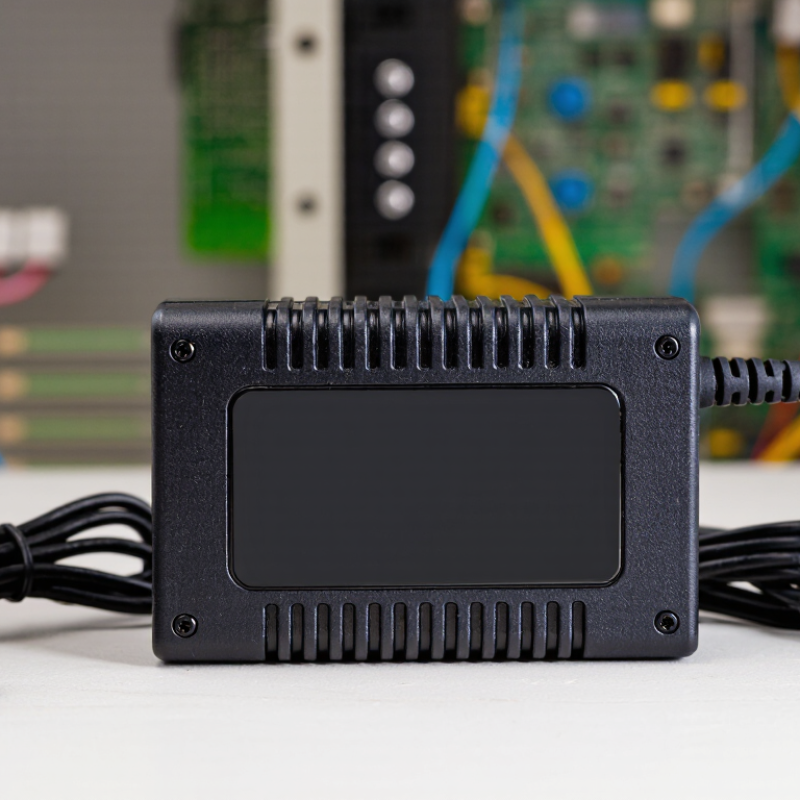
Why Choose a 24V AC DC Power Adapter?

What Is a 24V AC DC Power Adapter?

What Is a 24V AC DC Power Adapter?

A 24V AC DC power adapter converts alternating current from a wall outlet into 24-volt direct current. Its input may accept household AC, while its output supplies steady DC power to compatible equipment. This design supports devices such as control panels, sensors, LED systems, and small automation components.

The phrase “24V AC DC” can be confusing. It usually means AC input and 24V DC output, not 24V AC output. Check the specification label carefully. Voltage must match the device. The adapter’s current rating should meet or exceed the equipment’s requirement. Polarity also matters, especially with barrel connectors. A reversed connection can damage sensitive circuits.

A regulated adapter keeps output voltage more stable during normal load changes. This helps reduce flickering, resets, and unreliable sensor readings. In practical installations, I also check ventilation, cable length, connector fit, and moisture exposure. Heat trapped inside a cabinet can shorten service life. It is easy to overlook this detail. A higher current rating is generally acceptable, but higher voltage is not. Some inexpensive units list optimistic performance, so measurements under load are useful. The label may look convincing, yet real operating conditions deserve more attention.

How AC and DC Output Modes Differ

A 24V AC/DC power adapter supports equipment that needs either alternating or direct current. The choice depends on the load, wiring, and control method. A 24V AC output reverses polarity many times each second. It suits relays, valves, thermostats, and certain motor controls. A 24V DC output keeps polarity stable. It better serves sensors, control boards, LED systems, and embedded electronics.

The difference is practical at the workbench. An AC meter may show 24 volts, yet a rectifier can produce about 34 volts peak without proper regulation. That can damage sensitive circuits. DC systems also require correct positive and negative connections. Polarity mistakes remain common during field installation. IEC 62368-1 emphasizes protection against electrical and energy-related hazards, but it does not replace application testing.

Efficiency matters too. The U.S. Department of Energy’s Level VI requirements address active-mode efficiency and no-load power for external supplies. IEA’s Energy and AI report estimates that data centers consumed about 415 TWh of electricity in 2024. Small losses become meaningful across large installations. A regulated DC adapter may reduce conversion steps, but an AC design can be simpler for isolated control circuits. Not always. Cable length, voltage drop, ripple, temperature, and startup current should be measured under real loads. Datasheet values alone can create false confidence. A careful test includes an oscilloscope, a thermal check, and several hours of operation.

Why Choose a 24V AC DC Power Adapter?

Why Choose a 24V AC DC Power Adapter?

A 24V AC DC power adapter offers a practical voltage level for many control systems, sensors, LED equipment, and small industrial devices. It accepts alternating current from a wall outlet and provides a stable 24V direct-current output. This helps reduce voltage variation that could cause flickering, inaccurate readings, or unexpected shutdowns. In real installations, a regulated adapter is often worth choosing because nearby motors and relays can create electrical noise.

The correct adapter must match more than the voltage. Check the required current, connector size, polarity, and operating environment. For example, a device needing 24V and 2A should use an adapter rated for at least 2A. Extra capacity can improve reliability, but excessive voltage cannot. The housing also matters. A ventilated indoor unit may fail in a dusty cabinet. I have seen specifications overlooked when the connector appeared to fit. That small mistake can damage equipment.

Tips: Read the device label before ordering. Confirm whether it needs AC output or DC output, since “24V” alone is not enough. Choose overload and short-circuit protection where possible. Keep the adapter away from heat and moisture. Inspect the cable regularly for cuts, loose pins, or unusual warmth. Certified safety testing adds confidence, though it does not replace correct installation.

Key Compatibility and Performance Specifications

Why Choose a 24V AC DC Power Adapter?

A 24V adapter suits many control panels, sensors, lighting systems, and small automation devices. However, voltage alone does not confirm compatibility. Check whether the equipment requires 24V AC or 24V DC. These outputs are not interchangeable. A DC device may also require the correct polarity, usually marked beside the input socket. Reversing it can damage sensitive circuits.

Current capacity matters just as much. Read the device label for its required amperage. An adapter rated at 2A can safely power a 1A load, but the opposite choice may cause overheating or unstable operation. I have seen systems restart because the adapter looked correct, yet its current rating was too low. It was an easy assumption, and an expensive one.

Performance depends on more than output voltage. Look for regulated output, low ripple, suitable efficiency, and reliable thermal protection. Check the plug size carefully, including its inner and outer dimensions. Confirm the input range matches the local electrical supply. In warm enclosures, ventilation becomes important. A cool adapter usually performs more consistently over long operating periods. Certification marks and clear technical documentation also improve purchasing confidence. Some specifications remain unclear, especially for inexpensive units. That uncertainty deserves attention before installation.

Common Applications and Safety Considerations

Why Choose a 24V AC DC Power Adapter? Common Applications and Safety Considerations

A 24V AC or DC adapter suits equipment that needs steady, moderate-voltage power. Common uses include security cameras, access controls, HVAC controls, LED systems, sensors, and industrial relays. The correct output type matters. AC equipment needs alternating current, while electronic controls often require regulated DC. A mismatch can cause buzzing, overheating, incorrect readings, or permanent damage. Field technicians frequently find that the connector fits, but the electrical specifications do not. That is an avoidable mistake.

Safety depends on more than the 24V label. IEC 62368-1 uses hazard-based safety principles for modern audio, video, information, and communication equipment. Check output polarity, rated current, insulation, grounding, and enclosure protection. A 24V supply can still create dangerous heat during overloads or short circuits. The U.S. Department of Energy’s external power supply requirements include no-load limits as low as 0.1 watts for some low-power classes. Lower idle consumption reduces wasted energy, especially in continuously powered systems. The IEA has also reported that standby loads may represent 5–10% of household electricity use in some markets.

Tips: Confirm AC or DC before purchasing. Select at least 20% spare current capacity. Secure loose terminals and protect the adapter from moisture. Use a fuse where the installation requires one. Do not place it under insulation or inside a sealed box without heat calculations. I would also recheck voltage at the equipment terminals; long cables can create surprising drops. Specification sheets are useful, but real installations deserve testing.

Why Choose a 24V AC/DC Power Adapter?

Common Applications and Safety Considerations

The chart shows representative nominal load examples for 24V systems. Power is calculated as 24V × rated current; actual requirements vary by device, startup current, and operating conditions. A 24V adapter is commonly selected for control systems, LED lighting, access control, sensors, and networking equipment because the voltage provides efficient distribution while remaining within the extra-low-voltage range used by many systems.

  • Choose an adapter with sufficient current capacity and allow additional headroom for startup or peak loads.
  • Verify whether the equipment requires 24V AC or 24V DC; these outputs are not interchangeable.
  • Check polarity, connector type, insulation, grounding, enclosure rating, and protection against overload and short circuits.
  • Use the adapter only within its specified input voltage, temperature, humidity, and ventilation limits.

FAQS

What does a 24V AC DC power adapter do?

It converts wall-outlet AC into stable 24-volt DC power for compatible equipment.

Does “24V AC DC” mean 24V AC output?

Usually, no. It normally means AC input and 24V DC output. Check the label carefully.

Which devices can use a 24V DC adapter?

Common examples include control panels, sensors, LED systems, and small automation components.

How can I check voltage compatibility?

Match the adapter’s output voltage with the device requirement. Never assume similar labels mean identical outputs.

Why does the current rating matter?

The adapter’s current rating should meet or exceed the equipment’s requirement. A 2A adapter can power a 1A load.

Can a higher current rating damage the equipment?

Usually, no. The device draws the current it needs. Higher voltage is the dangerous mismatch.

Why is polarity important?

Barrel connectors may have positive and negative contacts. Reversed polarity can damage sensitive circuits.

What other details should I inspect before installation?

Check plug dimensions, input range, cable length, ventilation, moisture exposure, and thermal protection.

Is regulated output worth choosing?

Yes. It can reduce flickering, resets, and unstable sensor readings during normal load changes.

How can I verify an adapter’s real performance?

Measure its output under load. A convincing label may not reflect actual operating conditions. I would not rely on labels alone.

Conclusion

A 24v Ac Dc Power Adapter is a versatile power solution designed to provide either alternating current or direct current output at 24 volts, depending on the requirements of the connected equipment. Understanding the difference between AC and DC modes is essential: AC changes direction periodically, while DC delivers a steady flow of electricity. This flexibility makes the adapter useful for systems that require specific voltage stability, output type, or connection options.

Choosing a 24v Ac Dc Power Adapter can improve equipment compatibility, operational reliability, and installation convenience. Before selecting one, users should check output voltage, current capacity, power rating, connector type, polarity, efficiency, and regulation performance. Common applications include lighting systems, control panels, automation equipment, testing devices, and low-voltage electronics. For safe operation, always confirm the load requirements, avoid exceeding the adapter’s rated capacity, provide adequate ventilation, and inspect cables and connections for damage. Proper matching and careful use help support consistent performance and reduce electrical risks.


Mason

Mason

Mason is a seasoned marketing professional with a deep expertise in the company's offerings and a passion for driving brand awareness. With a strong background in digital marketing strategies, he has an innate ability to connect with diverse audiences and effectively communicate product benefits.......