How to Choose a 12V DC Power Adapter in 2026?

Time:2026-09-15 Author:Ethan
0%

Choosing a 12v Dc Power Adapter in 2026 requires more than matching a voltage label. The adapter must fit the device, operating environment, and expected workload. A 12-volt router, LED controller, camera, or audio unit may require very different current levels. Check the original device label first. Confirm output voltage, current, polarity, connector size, and plug dimensions. Small errors can cause overheating, unstable performance, or permanent damage.

Details matter.

A reliable selection process compares the adapter’s rated output with the device’s real demand. The current rating may be equal to or higher than the device requirement. The voltage should match closely. Polarity must also agree. Center-positive and center-negative connectors are not interchangeable. In practical testing, installers often measure the connector and inspect the cable before ordering. This simple step prevents many returns. It is easy to overlook.

Look for reputable manufacturers, clear datasheets, traceable model numbers, and recognized safety testing. A compact casing does not automatically mean better efficiency. Check idle power, operating temperature, cable flexibility, and protection features. Overcurrent, short-circuit, and overvoltage protection can improve reliability. Indoor and outdoor installations need different environmental ratings. Moisture, dust, and poor ventilation can shorten service life.

Some assumptions deserve reconsideration. A higher current rating is usually acceptable, but an unverified marketplace listing may exaggerate specifications. Price alone proves little. Compare independent test information when available. For critical equipment, verify performance under load rather than trusting a no-load voltage reading. The right 12v Dc Power Adapter should deliver stable power quietly, safely, and consistently. That is the standard worth applying in 2026.
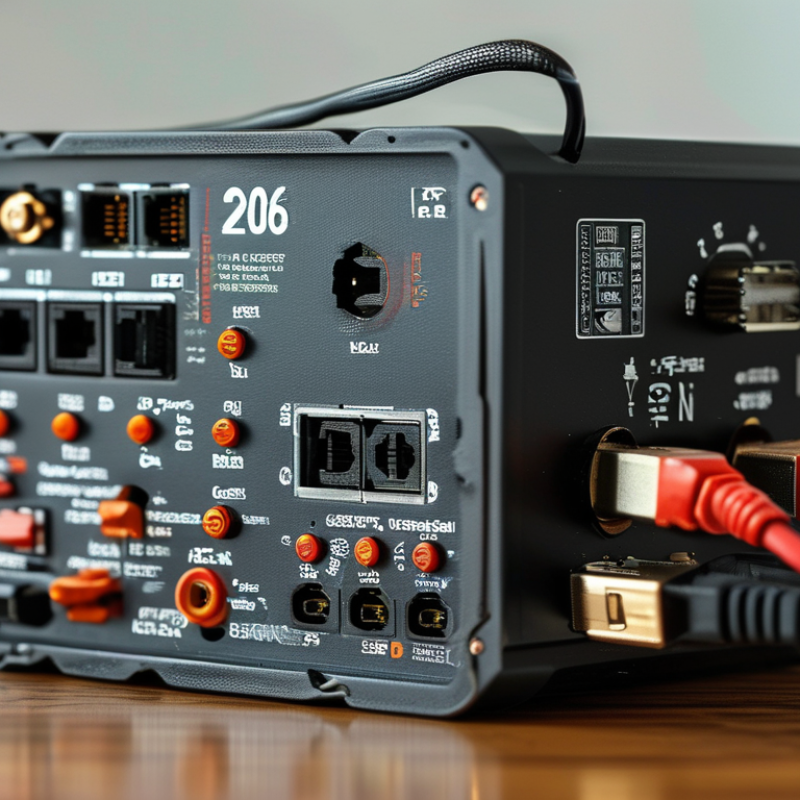
How to Choose a 12V DC Power Adapter in 2026?

Define the Voltage, Current, and Power Requirements

How to Choose a 12V DC Power Adapter in 2026?

Define the Voltage, Current, and Power Requirements

Start with the device label, manual, or service documentation. Confirm that the required input is 12V DC, not 12V AC. A matching voltage is essential. Higher voltage can damage sensitive circuits, while lower voltage may cause resets or weak performance. Check the polarity symbol, too. A reversed center pin can create an expensive mistake.

Measure the current requirement in amperes. If a device needs 2A, choose an adapter rated for at least 2A. A higher current rating is usually acceptable because the device draws only what it needs. Never choose a lower rating. The adapter may overheat, shut down, or deliver unstable power. Small motors, pumps, and LED systems can demand extra current during startup. Allow some margin.

Calculate power with this formula: watts = volts × amps. A 12V, 2A load requires 24W. I prefer extra capacity, but not blindly. An oversized adapter may still have the wrong plug, poor regulation, or unsuitable polarity. Check the connector dimensions carefully. Use a multimeter to verify output voltage before connection, especially with an unfamiliar adapter. I once trusted a similar-looking plug and missed a polarity difference. That was a preventable error. Read every marking twice.

Choose the Correct DC Plug Size and Polarity

How to Choose a 12V DC Power Adapter in 2026?

Choose the Correct DC Plug Size and Polarity

A 12V adapter can still damage equipment if its plug is wrong. The most common mistake is matching voltage while ignoring connector dimensions. Measure the existing barrel plug with a caliper, if possible. Check the outer diameter, inner diameter, and plug length. A loose plug may disconnect during vibration. A tight plug may damage the socket.

Small differences matter.

Do not rely on appearance alone. Two barrel plugs can look identical but use different internal sizes. Compare the replacement connector with the equipment manual or socket specifications. The adapter should provide 12V DC, while its current rating should meet or exceed the device requirement. Higher available current is generally acceptable. Higher voltage is not.

Polarity deserves equal attention. Many devices use center-positive wiring, but some use center-negative wiring. Look for the polarity symbol near the power socket or on the original adapter label. You can also verify it with a multimeter, using the correct voltage setting. I once assumed a familiar plug had standard polarity and nearly connected it incorrectly. That assumption was careless. Check twice before powering the device.

The plug should insert smoothly without force. After connection, monitor heat, unusual noise, or intermittent operation. If the label is missing, seek qualified technical advice instead of guessing. A cheap adapter with a confusing plug is not a reliable choice.

Compare Adapter Types, Efficiency, and Safety Features

How to Choose a 12V DC Power Adapter in 2026?

A 12V DC adapter should match the device’s voltage, current, connector size, and polarity. Do not rely on voltage alone. A 12V, 2A adapter can power equipment requiring 12V and 1A, but not necessarily a 12V and 3A load. Check the label and measure the connector before ordering. Small differences can cause heat, loose contact, or complete failure.

Switching adapters are usually lighter, cooler, and more efficient than traditional linear adapters. They suit routers, LED systems, monitors, and other devices used for long hours. Linear types can produce cleaner electrical output, but they waste more energy as heat. Adjustable adapters offer flexibility, although accidental voltage changes create avoidable risk. Fixed-output models are often safer for ordinary household equipment.

Safety features deserve close attention. Choose regulated output, overcurrent protection, short-circuit protection, and thermal shutdown. A visible safety mark helps, but it does not replace checking the technical documentation. Use the correct polarity symbol, especially with barrel connectors. Reverse polarity can damage sensitive circuits quickly. In practical testing, an adapter may feel only mildly warm, yet poor ventilation can raise its temperature later. That detail is easy to miss. I would also leave a current margin of about 20% instead of running the adapter at its limit. This is not perfect, but it reduces stress during startup and voltage fluctuations.

How to Choose a 12V DC Power Adapter in 2026? — Compare Adapter Types, Efficiency, and Safety Features

Use the output-voltage, current, connector, polarity, efficiency, and protection requirements of your device as the primary selection criteria.

Adapter Type Typical Efficiency Output Regulation Typical Ripple Main Advantages Important Limitations Recommended Applications
Linear regulated adapter 30–60% Stable, but efficiency decreases when the input voltage is much higher than 12 V. Very low; typically below 10 mV peak-to-peak. Very low electrical noise, simple design, and good compatibility with sensitive analog circuits. Generates substantial heat, is relatively heavy, and usually has a lower power-to-size ratio. Low-power audio, measurement, laboratory, and noise-sensitive equipment.
Regulated switching adapter 80–92% Usually maintains 12 V within approximately ±5% across its rated load range. Commonly 20–150 mV peak-to-peak, depending on design and load. High efficiency, compact size, lower weight, and broad availability across power ratings. May create switching noise or electromagnetic interference if filtering and shielding are inadequate. Routers, LED equipment, small computers, monitors, controllers, and general electronics.
Industrial enclosed switching supply 85–94% Typically regulated to 12 V with specified line and load regulation values. Often 50–150 mV peak-to-peak, subject to the manufacturer’s test conditions. Designed for higher power, continuous operation, ventilation, and system integration. Usually requires installation inside an enclosure and may expose hazardous mains voltage. Control panels, automation systems, cameras, access systems, and larger 12 V loads.
USB-C PD adapter with 12 V conversion 80–93% 12 V is available only when the source and converter negotiate or generate the required profile. Depends on the USB-C source and the DC-DC conversion stage. Portable, widely compatible with modern power sources, and useful for field or battery-powered systems. A standard USB-C port does not automatically provide 12 V; a compatible PD trigger or converter may be required. Portable instruments, field equipment, development boards, and travel setups.
Unregulated wall adapter 50–75% Output voltage varies significantly with input voltage and load; a nominal 12 V rating may exceed 12 V at light load. Can be relatively high and load-dependent. Low cost, simple construction, and suitable for devices designed to tolerate voltage variation. Not appropriate for electronics that require a tightly regulated 12 V supply. Some motors, relays, lamps, and legacy equipment with a wide input-voltage tolerance.
Selection checklist: Confirm that the adapter provides a regulated 12 V DC output, has a current rating at least equal to the device requirement, matches the connector size and polarity, and supports the local AC input range. Prefer models with over-voltage protection, over-current protection, short-circuit protection, over-temperature protection, and appropriate input/output isolation. Efficiency and ripple figures are typical ranges; always verify the adapter’s technical datasheet under the intended load.

Check Compatibility, Certifications, and Environmental Conditions

How to Choose a 12V DC Power Adapter in 2026?

Compatibility starts with more than matching “12V” on two labels. Check the device’s required current, measured in amps, before selecting an adapter. The adapter should meet or exceed that rating, while its voltage must remain 12V DC. Confirm polarity, plug dimensions, and connector type. A center-positive plug inserted into a center-negative device can cause immediate damage. I once checked voltage but missed the connector length. It fitted loosely. That mistake was avoidable.

Use a regulated adapter with clear input and output specifications. Under load, measure the output with a reliable multimeter, not only at idle. Small voltage drops may appear when motors, lights, or communication equipment start. Check the product documentation for recognized safety certifications in your country or installation region. A printed certification symbol is not enough; verify the certificate number, testing body, and scope. Keep purchase records and technical sheets. They support maintenance decisions later.

Environmental conditions can quietly shorten service life. Compare the adapter’s operating temperature range with the actual location, such as a hot cabinet or an unheated workshop. Allow ventilation around the housing, and avoid covering it with cloth or packing foam. For dusty or damp areas, review the enclosure rating and humidity limits. Condensation is especially troublesome. If the adapter will operate at high altitude, check whether its specifications account for reduced cooling. I would also reassess the choice after installation, because real conditions often differ from the original estimate.

How to Choose a 12V DC Power Adapter in 2026?

Compare the adapter’s output current with the equipment’s actual requirement, then verify connector polarity, input voltage, safety certification, energy-efficiency compliance, and environmental ratings before purchase.

Selection rule: A 12V adapter should provide the correct 12V output, match the device’s connector and polarity, and have an output-current rating equal to or higher than the load requirement. For example, a 2A adapter provides 24W of nominal capacity at 12V. Confirm that the adapter’s input range, safety certification, energy-efficiency requirements, operating-temperature range, and enclosure protection are suitable for the installation environment.

Test the 12V Adapter and Maintain Safe Operation

Choosing a 12V DC power adapter starts with the device label, not the adapter shelf. Confirm 12V output, required current, connector size, and polarity. A higher current rating is normally acceptable, but a higher voltage can damage equipment. Check the input requirements and safety markings. I measure twice because similar connectors can fit loosely or incorrectly. That small mistake matters.

Before connecting the adapter, inspect the cable, plug, and housing for cracks or exposed wires. Use a multimeter on the DC voltage setting. Check the output without touching the probes together. The reading may be slightly above 12V with no load, but it should remain stable under normal use. A proper load test gives better evidence. Connect the device or a suitable test load, then watch the voltage for several minutes. Do not guess.

During the first hour, touch the adapter carefully. It may feel warm, but excessive heat, burning smells, buzzing, or flickering requires immediate disconnection. Place it on a hard, open surface. Keep vents uncovered and protect the adapter from moisture. I once ignored mild cable warmth because the device continued working. It passed that test, but my decision was poor. Later, I replaced the cable and checked the connector more carefully. Inspect the adapter periodically, especially after moving it between rooms or using it for long periods.

FAQS

What voltage should a 12V power adapter provide?

Choose an adapter providing 12V DC, not 12V AC. Higher voltage can damage circuits. Lower voltage may cause resets or weak performance. Check the device label first.

How much current should the adapter support?

Its current rating must meet or exceed the device requirement. A 2A device needs an adapter rated for at least 2A. Never choose less. Small motors and pumps may need extra startup current.

Is a higher current rating dangerous?

Usually, no. The device draws only the current it needs. A higher rating can provide useful capacity. Voltage must still match exactly.

How do I calculate the required power?

Multiply voltage by current. A 12V, 2A device requires 24 watts. Extra capacity is helpful, but avoid choosing blindly.

Why does the DC plug size matter?

Measure the plug’s outer diameter, inner diameter, and length. A loose plug may disconnect during vibration. A tight plug may damage the socket. Small differences matter.

How can I confirm connector polarity?

Check the polarity symbol near the socket or on the original label. Many devices use center-positive wiring, but some use center-negative wiring. Do not rely on appearance alone.

Should I test an unfamiliar adapter before connecting it?

Yes. Use a multimeter and select the correct voltage setting. Verify output voltage and polarity first. I once trusted a similar-looking plug. That was careless.

What signs show that the adapter or connection is unsuitable?

Watch for excessive heat, unusual noise, intermittent operation, or unexpected shutdowns. Stop using it if these signs appear. A confusing plug is a warning.

Conclusion

Choosing a 12v Dc Power Adapter in 2026 begins with understanding your device’s electrical requirements. Confirm that the adapter provides a stable 12-volt output, then match its current rating to the device’s needs, allowing some extra capacity for reliable performance. Calculate the required power when necessary, and verify the DC plug’s outer and inner dimensions, center-positive or center-negative polarity, and connector fit before connecting it.

Next, compare adapter designs, energy efficiency, cooling performance, and built-in protections such as overcurrent, overvoltage, short-circuit, and overheating protection. Check that the adapter has appropriate safety certifications and is suitable for the intended indoor or outdoor environment, including temperature, humidity, and ventilation conditions. After installation, test the output with a suitable meter, monitor for unusual heat, noise, or instability, and keep the adapter clean and well ventilated. Regular inspection and careful handling can extend its service life while helping ensure safe, dependable operation.


Ethan

Ethan

Ethan is a seasoned marketing professional with a deep expertise in our company's innovative product line. With a passion for sharing knowledge and insights, he takes the lead in regularly updating our corporate blog, where he explores industry trends, product features, and effective marketing......