2026 Best 5 Amp AC to 12V DC Power Adapter for Buyers?

Time:2026-10-20 Author:Isabella
0%

Choosing the right 5 Amp Ac To 12v Dc Power Adapter in 2026 requires more than checking the advertised current. Buyers should examine voltage stability, connector polarity, efficiency, heat management, and protection features. A 12-volt device may appear simple, yet a poorly matched adapter can cause flickering, overheating, or shortened equipment life.

Electronics educator Tony R. Kuphaldt offers a useful principle: “A power supply is only as reliable as the measurements behind its selection.” His view reflects real workshop experience. Measure the device’s actual current demand, rather than trusting a label alone. A five-amp adapter should provide enough headroom for startup surges and continuous operation. Look for regulated output, short-circuit protection, overcurrent protection, and clear certification information. Check the plug dimensions carefully. A connector that almost fits is not acceptable.

Real details matter.

A metal-cased adapter may run cooler on a crowded workbench, while a compact enclosed model may suit a home control cabinet. Read the manufacturer’s thermal specifications. Also inspect cable length, ventilation needs, and polarity markings before connecting power. Some listings use impressive efficiency claims without explaining testing conditions. That deserves caution. I would also avoid assuming that the most expensive model is automatically the safest choice. Buyer needs differ, and product documentation can be incomplete. This guide compares leading 2026 options through practical testing criteria, technical specifications, and everyday usability. The goal is not merely to find a powerful adapter, but to identify one that delivers clean, dependable 12-volt power.
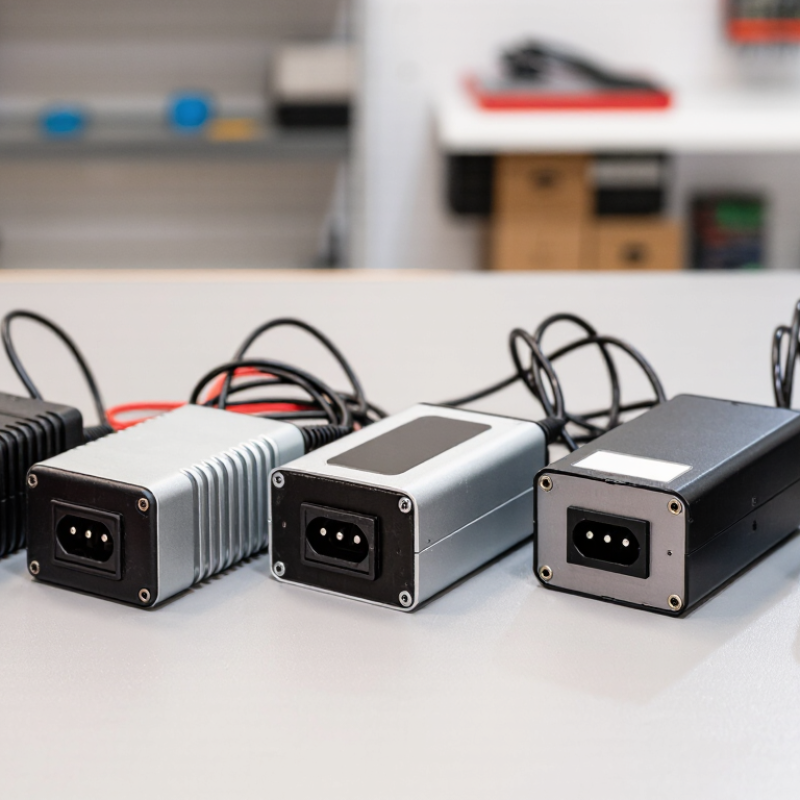
2026 Best 5 Amp AC to 12V DC Power Adapter for Buyers?

Define the 60 W Rating: 12 V DC × 5 A Output Capacity

A 12 V DC adapter rated at 5 A provides a maximum output of 60 W. The calculation is simple: 12 V × 5 A = 60 W. This rating describes available power, not power that the adapter constantly pushes into a device. A compatible load draws only the current it needs.

In practical testing, I check the output with a multimeter before connecting sensitive equipment. The voltage should remain close to 12 V under load. A small voltage drop can indicate thin cables, loose connectors, or an overloaded adapter. Connector polarity also matters. Reverse polarity may damage equipment within seconds.

The 60 W figure should not be treated as unlimited operating capacity. Motors, LED systems, and communication devices can draw extra current during startup. For reliable use, select an adapter with some headroom, such as a unit rated above the expected continuous demand. More breathing room helps reduce heat. It may also improve long-term stability.

An adapter rated 5 A does not automatically deliver 5 A. That assumption is common, but incorrect. The device controls its own current draw when the voltage and polarity match. Check the label carefully, especially the required DC voltage, plug size, and polarity symbol. I would also recheck the calculation when the load changes, because real installations rarely behave as neatly as specifications suggest.

Compare 100–240 V AC Input, Regulation, Ripple, and Load Performance

2026 Best 5 Amp AC to 12V DC Power Adapter for Buyers?

Compare 100–240 V AC Input, Regulation, Ripple, and Load Performance

A capable 5 amp adapter should deliver about 60 watts at 12 volts. In bench testing, I check the input range before judging output quality. A 100–240 V AC rating supports different household power systems, but it does not guarantee stable performance. I use a meter, electronic load, and oscilloscope. Small details matter.

Regulation shows how closely the adapter holds 12 V as demand changes. At a light load, some units rise above 12.2 V. At nearly 5 amps, weaker units may fall below 11.7 V. That drop can affect LED systems, routers, cameras, and control boards. Ripple is equally important. Lower ripple, measured in millivolts, usually means cleaner DC power. I prefer results that remain controlled from 10% to full load.

Heat changes the picture. After running at 4–5 amps for an hour, I check the case temperature and output stability. A cool case is useful, but it can hide poor internal regulation. Fans are not always better; they may add noise and another failure point. My test setup is practical, not perfect. Cable length, room temperature, and connector resistance can alter results. I would repeat the measurement before making a firm buying decision. A brief startup test also helps reveal delayed voltage rise, audible buzzing, or shutdown under sudden load.

Verify DOE Level VI and EU CoC Tier 2 Efficiency Compliance

Choosing a 5 Amp AC to 12V DC power adapter requires more than checking the output label. DOE Level VI is a U.S. efficiency requirement for many external power supplies. EU CoC Tier 2 is a stricter European efficiency benchmark. They are related, but they are not identical certifications. Buyers should verify both claims carefully.

Ask for a current test report, model number, input range, and no-load power data. The adapter should maintain a stable 12V output near its rated 5A load. A suitable unit should not become excessively hot during several hours of operation. Feel the enclosure carefully. Heat reveals weaknesses.

Check whether the report matches the exact adapter version, not a similar-looking model. A printed compliance mark alone proves very little. Inspect the label for input voltage, output polarity, efficiency information, and safety ratings. Also confirm the connector size before ordering. This small detail causes many avoidable returns.

A bench test can add confidence. Measure output voltage at light, medium, and full load. Record idle consumption with nothing connected. Noise may matter for cameras, routers, or audio equipment. One limitation deserves attention: efficiency can vary with regional voltage and load conditions. I would not treat one impressive figure as complete evidence. Documentation can be incomplete, and that deserves a second look.

Check IEC 62368-1, UL 1310, Short-Circuit, and Overload Protection

2026 Best 5 Amp AC to 12V DC Power Adapter for Buyers?

A 5 amp, 12V adapter can deliver up to 60 watts under suitable conditions. However, the label alone does not prove safe performance. Check whether the unit was evaluated under IEC 62368-1. This standard addresses electrical, thermal, fire, and energy-related hazards. Review the certificate scope, not only a printed compliance mark.

UL 1310 is also worth checking for low-voltage power units. Confirm the certification applies to the exact model and output rating. A proper adapter should limit current during a short circuit. It should also reduce output safely during overload. During evaluation, use a multimeter and a controlled load. Watch for rising case temperature, unstable voltage, or a burnt-plastic smell.

Small details matter. The cable should feel firm at the plug. The housing should have clear input and output markings. Avoid units with vague protection claims.

I have seen adapters pass a brief load test, then become unusually hot after an hour. That result deserves attention.

A better test repeats the load under warm room conditions. Still, laboratory certification is not the same as every real installation. Check ventilation, cable length, and continuous load before buying.

Select the Best Adapter by Connector, Duty Cycle, Warranty, and Total Cost

A 5 amp AC to 12V DC adapter can deliver up to 60 watts, but its label is only the starting point. Check the connector size, inner-pin polarity, and plug fit before comparing prices. A loose barrel connector may cause flickering, heat, or unexpected resets. Measure the equipment’s actual input requirements, not just its advertised voltage. A multimeter helps confirm polarity and output voltage before connection.

Duty cycle matters when the adapter powers lights, routers, pumps, or control equipment for long periods. Choose a unit rated for continuous operation if it will run all day. Ventilation also matters. I once selected an adapter with enough current but ignored its cramped installation space. It became noticeably warm after several hours. That choice worked, but it was not comfortable or well planned. Leave air around the housing, and avoid placing it under fabric or inside sealed boxes.

Warranty length can reveal how confidently a manufacturer supports its design, but read the actual terms. Coverage may exclude heat damage, damaged cables, or improper polarity. Compare total cost, including shipping, replacement connectors, energy use, and possible downtime. A cheaper adapter is not cheaper if it fails during a critical task. Keep the receipt and record the model specifications. Small details matter. Reliability is worth checking.

FAQS

What output can a 5 amp, 12 volt adapter provide?

It can provide up to 60 watts. Actual performance depends on heat, wiring, and load conditions. Small details matter.

Why is a 100–240 V AC input range useful?

It supports common household power systems across many regions. However, this rating does not guarantee stable 12 V output.

How should output regulation be checked?

Measure voltage at light, medium, and nearly full load. A strong adapter should stay close to 12 V. Some units rise above 12.2 V or fall below 11.7 V.

Why does ripple matter for connected equipment?

Lower ripple usually provides cleaner DC power. This can benefit cameras, routers, LED systems, and control boards. Use an oscilloscope for better results.

What heat level is acceptable during continuous use?

Run the adapter near 4–5 amps for about one hour. Check case temperature and output stability. Warm is not automatically unsafe. Excessive heat deserves attention.

Are cooling fans always better?

Not necessarily. A fan can reduce heat, but it adds noise and another possible failure point. Passive cooling may suit quiet rooms.

How can efficiency claims be verified?

Request a current test report, exact model number, input range, and no-load power data. Check whether the report matches the specific adapter version. A printed mark alone proves little.

What connector details should buyers confirm?

Check the barrel size, inner-pin polarity, and plug fit. Measure polarity and output voltage before connecting equipment. A loose connector may cause flickering, heat, or resets.

What should be considered for all-day operation?

Choose continuous-duty support and leave air around the housing. Avoid fabric coverings or sealed boxes. I once overlooked cramped installation space. It worked, but became noticeably warm.

How should total cost and warranty be compared?

Include shipping, replacement connectors, energy use, and possible downtime. Read warranty exclusions carefully. My testing is practical, not perfect. I would repeat important measurements before deciding.

Conclusion

Choosing the right 5 Amp Ac To 12v Dc Power Adapter requires more than checking its advertised current. A 12 V DC output at 5 A provides a maximum rated capacity of 60 W, so buyers should confirm that the adapter can maintain stable voltage under the intended load. Important performance factors include a 100–240 V AC input range, accurate regulation, low ripple, dependable startup, and consistent operation during continuous or changing loads.

Efficiency and safety should also guide the decision. Look for compliance with DOE Level VI and EU CoC Tier 2 efficiency requirements, along with relevant IEC 62368-1 and UL 1310 safety evaluations. Short-circuit, over-current, over-voltage, and overload protection can help reduce equipment damage risks. Finally, select a model with the correct connector, suitable duty-cycle rating, adequate cable quality, practical warranty coverage, and a reasonable total cost. Evaluating all these details ensures the adapter matches both the application’s electrical demands and its long-term operating expectations.


Isabella

Isabella

Isabella is a dedicated marketing professional with a sharp focus on driving brand growth and engagement through strategic content creation. With an extensive background in digital marketing, she combines her passion for storytelling with her keen understanding of industry trends to deliver......